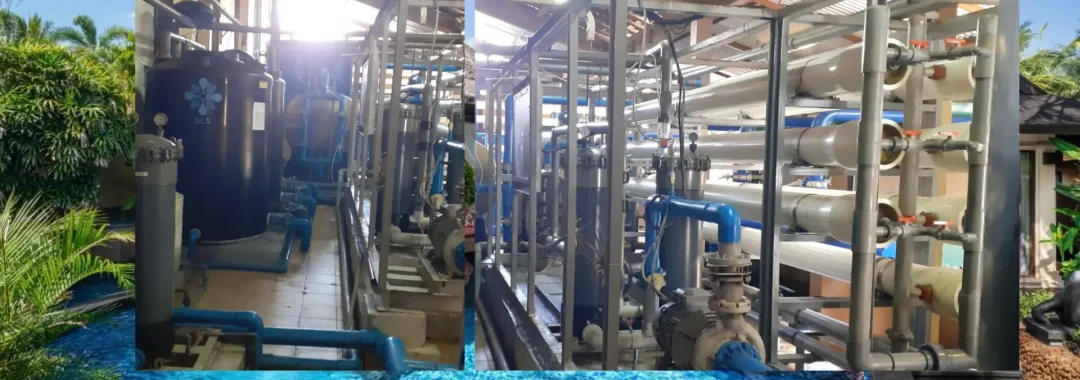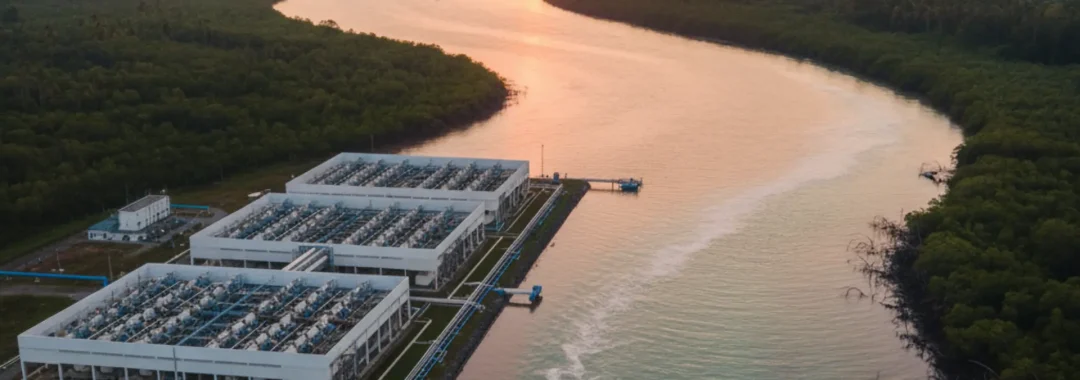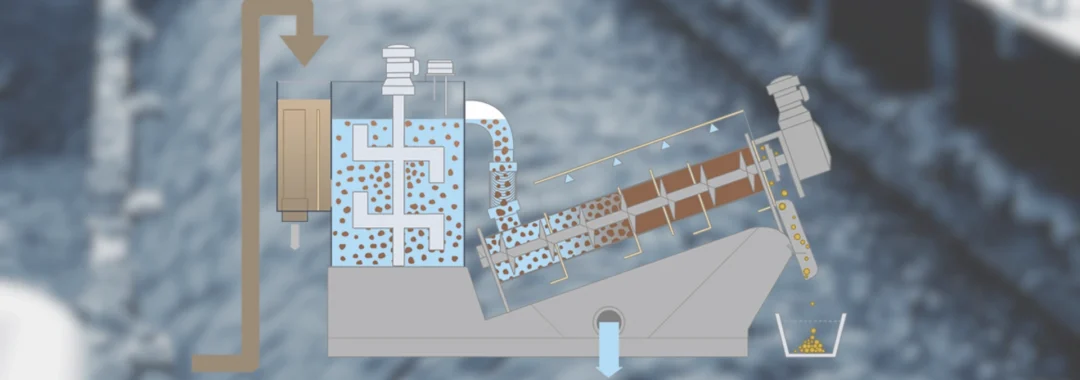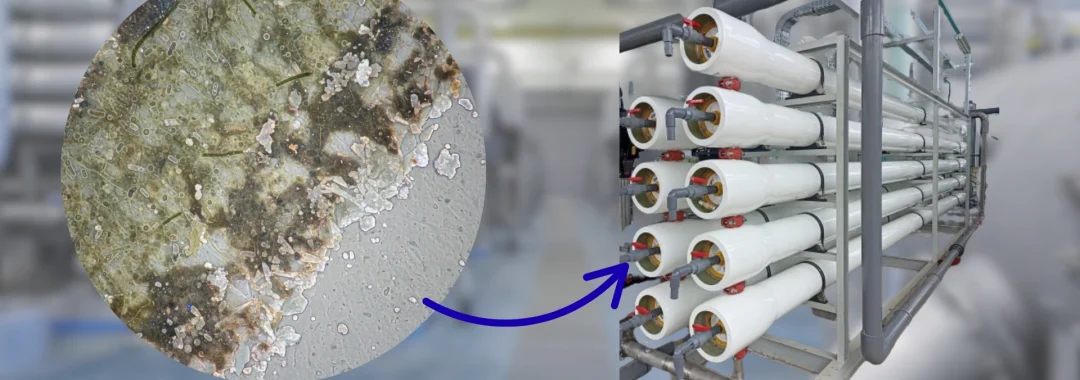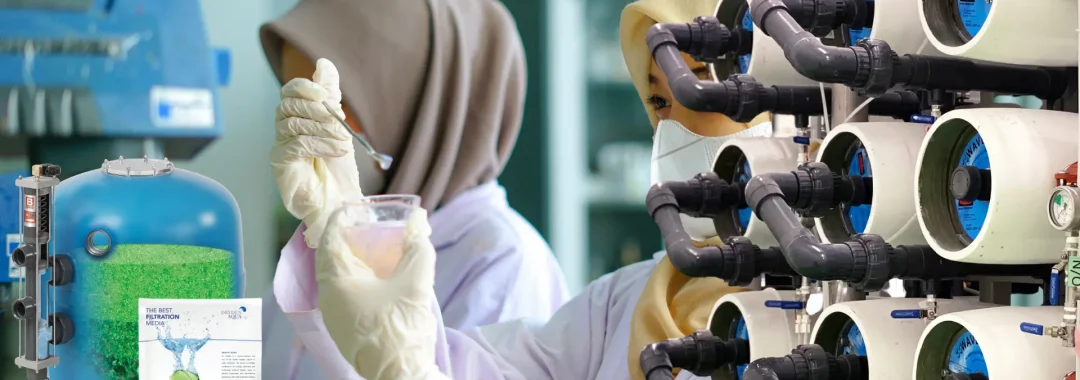
Laboratory water purification system with RO membranes, polishing filters, and activated filter media for ultrapure water production.

Laboratory Water Purification System: RO + Polishing

Introduction — Why Laboratory Water Purification Systems Matter

A laboratory water purification system is essential to ensure the accuracy and reliability of every experiment, chemical analysis, or biological test. In research and testing environments, water quality directly affects experimental precision — even minor impurities can alter results.

Every advanced RO water purification setup for laboratories must meet strict ASTM and ISO purity standards to achieve reproducible outcomes and protect sensitive instruments.

A well-engineered laboratory water purification system combines Reverse Osmosis (RO) as the primary purification stage with polishing technologies like EDI, UV, and ultrafiltration as final refinement — ensuring the highest water purity grades required by modern laboratories.

🔗 Learn more about the official ASTM D1193 Standard for Reagent Water that defines Type I, II, and III laboratory water categories.


Understanding Reverse Osmosis in Laboratory Water Purification Systems

Reverse Osmosis (RO) serves as the foundation of a laboratory water purification system. Using a semi-permeable membrane, RO removes ions, particulates, microorganisms, and dissolved solids.

Typical RO systems in labs, such as Barnstead™ Pacific™ RO Water Purification Systems, are designed for high efficiency and precision.

At Gapura Liqua Solutions, we integrate advanced RO membranes and anti-scaling chemicals for RO systems to maintain consistent flow and prevent membrane fouling in industrial and laboratory applications.


The Role of Polishing in a Laboratory Water Purification System

Even after RO, trace ions, organic carbon, or endotoxins may remain. That’s where polishing comes in — the final step to achieve ultrapure water (ASTM Type I).

A well-designed RO + polishing chain includes advanced post-treatment components such as Activated Filter Media (AFM), UV oxidation, and ultrafiltration membranes.

📖 For reference, read Puretec’s High Purity Water Quality Standards Guide to understand laboratory water classifications and purity benchmarks.


Key Polishing Technologies for RO Laboratory Water Systems

a. Deionization (DI) in Lab Water Systems

Removes residual ions using ion-exchange resins — ideal for Type II or Type III lab water purification.

b. Electrodeionization (EDI) for High-Purity Lab Water

A continuous, chemical-free deionization method using electricity and membranes.
Learn more in this detailed Wikipedia article on Electrodeionization.

c. UV Sterilization in RO Laboratory Systems

UV lamps destroy microorganisms and reduce Total Organic Carbon (TOC), improving water stability and safety for sensitive testing environments.

d. Ultrafiltration (UF) for Laboratory Water Purification

Removes pyrogens, viruses, and macromolecules — ensuring ultrapure output suitable for biological, pharmaceutical, or analytical laboratories.


The Complete RO + Polishing Laboratory Water Purification Chain

An efficient laboratory water purification system follows a well-engineered sequence:

  1. Pre-treatment — sediment and carbon filtration using products like industrial filters.
  2. Reverse Osmosis (RO) — main desalination stage using RO membrane systems.
  3. Polishing Stage — DI, EDI, UV, or UF modules for Type I purity.
  4. Storage & Distribution — maintaining water purity during use.

📘 Examples of integrated laboratory systems:


Maintenance and Monitoring Best Practices for RO + Polishing Systems

Consistent performance of an RO + polishing system depends on proper maintenance:

  • RO membrane cleaning and scaling prevention
  • UV lamp and filter replacements
  • Monitoring conductivity, resistivity, TOC, and flow rate

You can explore HANS Premium Water Filters for high-efficiency lab and industrial pre-filtration solutions that extend RO system life.


Applications of Laboratory Water Purification Systems in Research and Industry

Different labs have varying purity needs:

  • Analytical chemistry labs require Type I water (TOC < 10 ppb).
  • Clinical diagnostics need pyrogen-free water for sample accuracy.
  • Pharmaceutical and biotech laboratories depend on EDI and UV polishing to maintain compliance and sterility.

The integration of RO + polishing is vital to every laboratory water purification system, ensuring reproducible results and regulatory compliance.


Environmental and Cost Considerations for Laboratory RO Systems

Modern RO systems are designed to minimize waste through high-recovery membranes and intelligent pressure control. Polishing stages such as Electrodeionization (EDI) further reduce chemical waste and energy use.

♻️ For sustainable practices, reuse RO reject water for cooling or cleaning — aligning with Gapura Liqua Solutions’ Total Water Solutions approach for environmentally responsible water management.


Conclusion — Building a Reliable Laboratory Water Purification System

Combining Reverse Osmosis with polishing technologies results in a robust, scalable, and sustainable laboratory water purification system.

By following ASTM purity standards and implementing scheduled maintenance, laboratories can achieve consistent, ultrapure water for all analytical and industrial applications.

Partner with PT Gapura Liqua Solutions — Indonesia’s trusted EPC company for integrated water treatment, RO membranes, and polishing solutions tailored for research and industry.

Follow us on Social Media

Facebook Instagram LinkedIn

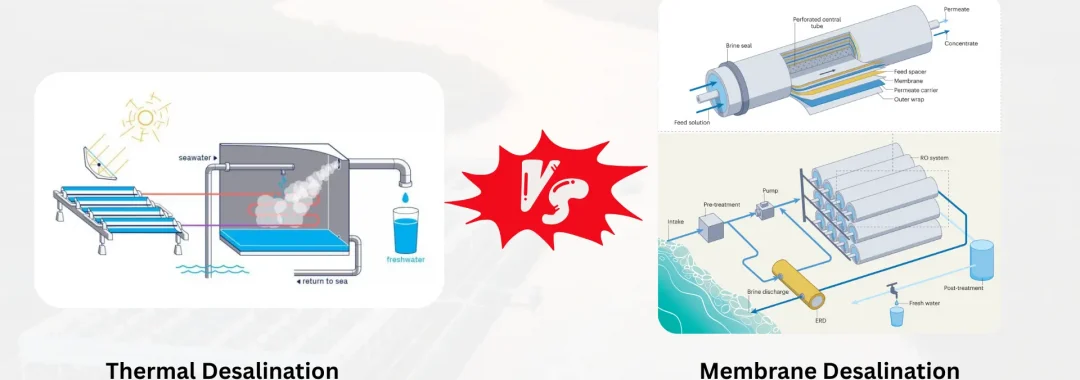
Comparison diagram of thermal vs membrane desalination showing evaporation and condensation process versus reverse osmosis filtration system.

Thermal vs Membrane Desalination for Industries

Introduction — Why Thermal vs Membrane Desalination Matters

Global industries — from hospitality to power generation — rely on desalination systems to secure sustainable water resources. Among the most widely used technologies are thermal vs membrane desalination, two core processes that define how saltwater is transformed into freshwater for industrial use. As demand grows, choosing the right desalination system becomes crucial for efficiency, cost, and sustainability.

In simple terms, desalinasi adalah proses menghilangkan kadar garam dari air laut atau air payau agar menjadi air bersih yang dapat digunakan untuk berbagai kebutuhan industri.

👉 Learn the fundamentals of desalination from ScienceDirect Topics.


Understanding Thermal Desalination Systems

Thermal desalination, one of the two main approaches in thermal vs membrane desalination, uses heat to evaporate seawater, then condenses the vapor into fresh water — leaving salt and minerals behind. It’s a time-tested process, often applied in large-scale plants that can also recover waste heat from power generation.

Main Types of Thermal Desalination

  • Multi-Stage Flash (MSF)
  • Multi-Effect Distillation (MED)
  • Vapor Compression (VC)

Thermal systems are reliable and handle high-salinity feed water, making them ideal for coastal power plants and heavy industries. However, they are energy-intensive and require significant capital investment.

📖 Learn more about phase-change desalination technologies in this MDPI review on thermal desalination.

Internal link: For a broader explanation of proses desalinasi air laut, visit Proses Desalinasi Air Laut.


Understanding Membrane Desalination Systems

Membrane desalination is a pressure-driven process that pushes water through a semi-permeable membrane, separating dissolved salts and impurities. The most common form, Reverse Osmosis (RO), dominates today’s desalination market due to its scalability and energy efficiency.

Types of Membrane Desalination

  • Reverse Osmosis (RO)
  • Electrodialysis (ED)
  • Forward Osmosis (FO)
  • Capacitive Deionization (CDI)

Membrane systems are compact, energy-efficient, and modular — perfect for food & beverage, hospitality, and manufacturing industries. They require effective pre-treatment and anti-scaling control to prevent fouling.

💧 Learn more in this MDPI study on membrane-based desalination systems.

Internal links:


Key Differences in Thermal vs Membrane Desalination

CriteriaThermal DesalinationMembrane Desalination
Core ProcessEvaporation & condensationFiltration through membranes
Energy SourceHeat / SteamElectricity / Pressure
Cost per m³HigherModerate to Low
Water TypeHigh-salinity seawaterBrackish & lower salinity
MaintenanceModerateHigher (membrane fouling)
Ideal IndustriesPower, Oil & GasHospitality, F&B, Manufacturing

📘 For advanced comparisons, read Elsevier’s study on hybrid desalination systems.

Internal link opportunity:
See Sistem Desalinasi RO for RO-based system examples used in membrane desalination.


Hybrid Desalination Systems: Combining Thermal and Membrane Technologies

Hybrid desalination integrates membrane (RO) and thermal (MED/MSF) technologies to improve efficiency and reduce waste. These systems:

  • Optimize energy consumption using waste heat
  • Improve water recovery rates
  • Minimize brine disposal volumes

🔗 Explore how industries reuse waste heat for thermal desalination on SciELO.

Internal link idea: Showcase a real-world case by linking to GLS Completes Desalination Project.


Environmental & Economic Impact of Desalination Types

Thermal systems consume more energy but can utilize residual heat from industrial operations, reducing total emissions. Membrane systems, while energy-efficient, must manage chemical usage and brine disposal.

🧪 For an in-depth environmental comparison, explore the MDPI report on advances in desalination methods.
🌍 For sustainable development insights, visit the UNESCO Water Portal.


Which Desalination Type Is Right for Your Industry?

IndustryRecommended SystemReason
Power & EnergyThermal / HybridUses waste heat efficiently
Hospitality & ResortsMembraneCompact, low-energy systems
Food & BeverageMembraneHigh purity, consistent output
Oil & GasThermalHandles high-salinity feed
Municipal SupplyHybridBalances efficiency and cost

💡 The right thermal vs membrane desalination choice depends on salinity, energy source, and budget. For a tailored solution, contact PT Gapura Liqua Solutions, Indonesia’s trusted partner for complete water treatment and desalination systems.


Conclusion — Choosing Between Thermal and Membrane Desalination

Both thermal and membrane desalination play essential roles in modern water management.

  • Choose thermal for high-salinity, large-scale, or power-linked operations.
  • Choose membrane for energy-efficient, modular, and scalable applications.

By understanding thermal vs membrane desalination, industries can make smarter, sustainable decisions.

With years of expertise in water treatment engineering, Gapura Liqua Solutions delivers end-to-end solutions for both technologies — helping businesses achieve reliable, efficient, and environmentally responsible water supply systems.

Follow us on Social Media

Facebook Instagram LinkedIn
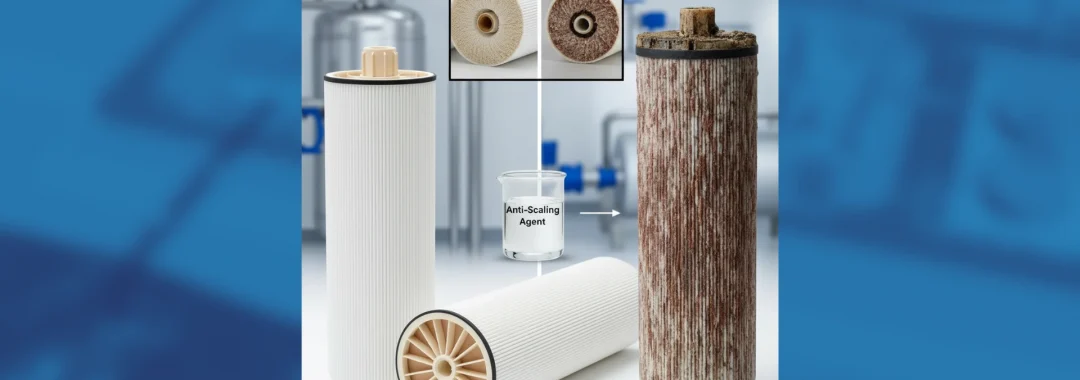
Perbandingan membran Reverse Osmosis sebelum dan sesudah penggunaan anti scaling agent dari Gapura Liqua Solutions.

Anti Scaling Agent RO: Fungsi & Panduan Dosis

Anti Scaling Agent RO dalam sistem Reverse Osmosis (RO), kerak atau scaling merupakan masalah umum yang dapat menurunkan efisiensi filtrasi dan umur membran. Solusinya adalah penggunaan anti scaling agent, bahan kimia pencegah kerak yang disuntikkan sebelum air masuk ke unit membran.

Sebagai penyedia Total Water Solutions, PT Gapura Liqua Solutions menghadirkan beragam produk dan layanan kimia pengolahan air, termasuk anti scaling agent untuk sistem RO dan SWRO.


1. Apa Itu Anti Scaling Agent?

Anti scaling agent (antiscalant) adalah bahan kimia yang berfungsi mencegah terbentuknya kerak akibat endapan mineral seperti kalsium karbonat, kalsium sulfat, dan silika pada membran RO.

Penggunaan antiscalant secara rutin dapat:

  • Memperpanjang umur membran
  • Menjaga debit air (permeate flow) tetap stabil
  • Mengurangi kebutuhan cleaning in place (CIP)
  • Menekan biaya operasional sistem

Untuk sistem air laut, produk ini juga digunakan pada unit Reverse Osmosis System yang menjadi inti dari proses desalinasi air laut di berbagai proyek industri dan hospitality.

(Referensi: Pure Aqua)


2. Mekanisme Kerja Anti Scaling Agent

Antiscalant bekerja dengan tiga mekanisme utama:

  1. Threshold Inhibition – mencegah ion-ion penyebab kerak mengendap.
  2. Crystal Modification – mengubah struktur kristal agar tidak mudah menempel pada permukaan membran.
  3. Dispersion – menjaga partikel tetap terdispersi sehingga tidak menggumpal menjadi kerak.

Teknologi ini membuat membran lebih tahan terhadap scaling bahkan pada sistem dengan tingkat recovery tinggi.
(Referensi: Avista Membrane Solutions)


3. Jenis-Jenis Anti Scaling Agent

JenisKarakteristikAplikasi
PhosphonateEfektif mengikat ion Ca²⁺ & Mg²⁺Umum pada sistem RO industri
Polymer & CopolymerBersifat dispersif & fleksibelCocok untuk air dengan TDS tinggi
Non-PhosphorusRamah lingkunganDigunakan pada sistem dengan regulasi ketat
Broad Spectrum AntiscalantMultifungsi, bekerja pada berbagai mineralIdeal untuk air laut atau payau

Contoh produk serupa dapat ditemukan pada Veolia Membrane Chemicals dan Water Technologies
(WaterTechnologies.com).


4. Penentuan Dosis yang Tepat

Menentukan dosis anti scaling agent harus mempertimbangkan:

  • Komposisi kimia air baku (Ca, Mg, SiO₂, SO₄²⁻)
  • Recovery sistem RO
  • Suhu dan pH air
  • Jenis membran dan tekanan operasi

Rata-rata dosis efektif berkisar antara 0,5–4 mg/L.
Gunakan perhitungan berbasis software scaling prediction atau rekomendasi pabrikan agar dosis sesuai.

Pelajari juga tahap pra-perlakuan air laut pada halaman
AFM Filter Media,
yang membantu mengoptimalkan kinerja antiscalant dengan mengurangi fouling pada tahap awal filtrasi.


5. Aplikasi di Sistem RO Industri

Implementasi anti scaling dilakukan melalui sistem chemical dosing, dengan tahapan berikut:

  1. Injeksi sebelum high-pressure pump
  2. Dosing pump terkalibrasi otomatis
  3. Pencampuran merata (static mixer)
  4. Pemantauan tekanan & konduktivitas real-time

Pada sistem desalinasi air laut (SWRO), antiscalant menjadi bagian integral dalam proses. Lihat visualisasi lengkap di artikel
Proses Desalinasi Air Laut
untuk memahami bagaimana antiscalant bekerja bersama unit RO, filtrasi AFM, dan post-treatment.


6. Manfaat Menggunakan Anti Scaling Agent

  • Meminimalkan kerak di membran
  • Menurunkan biaya maintenance
  • Meningkatkan efisiensi energi
  • Memperpanjang umur membran
  • Mengurangi downtime sistem RO

(Referensi: MembraneChemicals.com)


7. Tantangan & Best Practice

  • Underdosing menyebabkan scaling tetap terbentuk
  • Overdosing menyebabkan pemborosan kimia
  • Gunakan air hasil pra-filtrasi yang stabil
  • Lakukan monitoring tekanan & kualitas permeate berkala
  • Pilih formulasi kimia sesuai jenis air (laut, payau, PDAM, dll.)

8. Kesimpulan

Anti Scaling Agent untuk RO adalah bagian vital dalam sistem pengolahan air modern. Dengan pemilihan produk yang tepat, dosis akurat, dan sistem dosing otomatis, performa membran dapat dijaga optimal sekaligus menekan biaya operasional.

Gapura Liqua Solutions menyediakan solusi lengkap mulai dari perancangan sistem RO, chemical dosing unit, hingga produk pretreatment yang menunjang efisiensi dan keberlanjutan proses air bersih industri.

Follow us on Social Media

Facebook Instagram LinkedIn

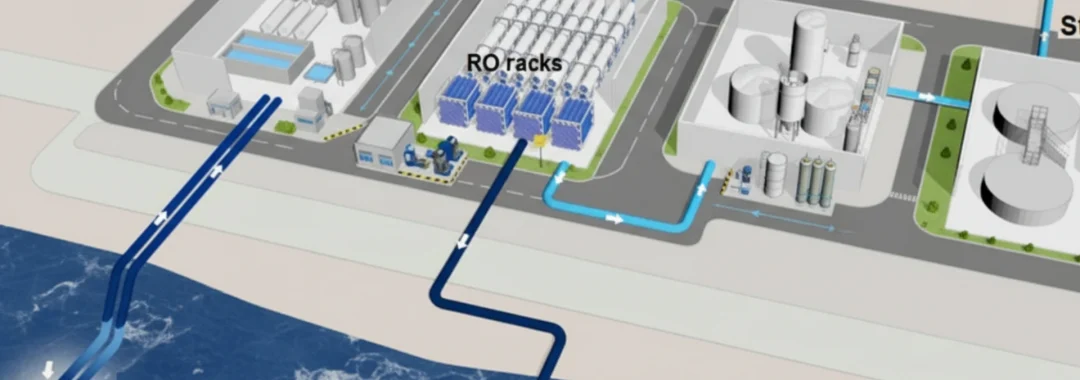
Diagram proses desalinasi air laut menggunakan sistem reverse osmosis (RO) dari Gapura Liqua Solutions.

Proses Desalinasi Air Laut: Tahapan & Teknologi

Air tawar kini menjadi sumber daya langka di banyak wilayah pesisir dan pulau. Salah satu solusi utama adalah proses desalinasi air laut — mengubah air laut menjadi air tawar yang siap digunakan untuk kebutuhan industri, hotel, atau masyarakat umum.
Sebagai penyedia Total Water Solutions, PT Gapura Liqua Solutions menghadirkan berbagai teknologi desalinasi modern untuk memenuhi kebutuhan air bersih yang berkelanjutan.


1. Apa Itu Desalinasi?

Desalinasi adalah proses menghilangkan kandungan garam dan mineral terlarut dari air laut agar menjadi air tawar.
Secara umum, terdapat dua jenis utama:

  • Desalinasi termal (evaporasi) seperti Multi-Stage Flash (MSF) dan Multi-Effect Distillation (MED)
  • Desalinasi membran seperti Reverse Osmosis (RO) yang lebih hemat energi dan lebih umum digunakan di Indonesia

Pelajari juga teknologi filtrasi dan media yang digunakan dalam sistem air bersih pada halaman AFM Filter Media — salah satu solusi penting dalam pra-perlakuan air laut sebelum proses RO.


2. Tahapan Proses Desalinasi Air Laut

Berikut urutan proses yang biasanya dilakukan pada sistem Sea Water Reverse Osmosis (SWRO):

TahapPenjelasan
1. Intake (Pengambilan Air Baku)Air laut diambil melalui sistem pipa atau sumur pantai dengan penyaringan awal untuk mencegah masuknya biota laut.
2. Pretreatment (Pra-perlakuan)Partikel besar, sedimen, dan bahan organik dihilangkan menggunakan media filtrasi seperti AFM, cartridge filter, dan bahan kimia anti-fouling.
3. Pressurization (Pemberian Tekanan)Air dipompa menggunakan high-pressure pump dengan tekanan hingga 60–70 bar agar dapat melewati membran RO.
4. Membrane Separation (Pemisahan)Air laut melewati membran semipermeabel; air murni (permeate) keluar, sedangkan garam tertinggal sebagai brine. Lihat contoh produk pada Reverse Osmosis System.
5. Post-Treatment (Stabilisasi)pH disesuaikan dan air ditambahkan mineral agar layak konsumsi.
6. Energy RecoverySistem modern kini menggunakan energy recovery device untuk menghemat energi hingga 40%.
7. Brine Disposal (Pembuangan Limbah)Cairan sisa (brine) dikontrol sebelum dibuang ke laut untuk mencegah dampak lingkungan.

3. Teknologi Pendukung Desalinasi Modern

Selain RO, beberapa teknologi pendukung membantu meningkatkan efisiensi sistem desalinasi:

  • Advanced Filtration Media (AFM) — media filtrasi kaca aktif yang menggantikan pasir silika, tahan fouling dan memiliki daya filtrasi lebih tinggi.
  • Digital Monitoring System — sistem kontrol otomatis untuk memantau tekanan, salinitas, dan kualitas air real-time.
  • Membrane Cleaning System (CIP) — sistem pembersihan otomatis yang memperpanjang umur membran.

Informasi tambahan dapat dilihat di halaman Total Water Management Solutions.


4. Tantangan dan Solusi dalam Desalinasi

Beberapa tantangan utama:

  • Konsumsi energi tinggi → Diatasi dengan sistem energy recovery dan pompa efisien.
  • Fouling & Scaling pada membran → Diminimalkan dengan pretreatment menggunakan AFM dan chemical dosing.
  • Biaya operasional → Penggunaan energi terbarukan seperti solar panel mulai diintegrasikan pada sistem modular.
  • Pembuangan brine → Dapat dimanfaatkan kembali untuk ekstraksi garam atau magnesium.

Studi global menunjukkan peningkatan efisiensi sistem RO modern hingga 45% lebih hemat dibandingkan dekade lalu (ScienceDirect).


5. Implementasi Desalinasi di Indonesia

Di Indonesia, proyek desalinasi semakin banyak digunakan di kawasan pesisir seperti Bali dan Kepulauan Seribu.
Gapura Liqua Solutions telah berkontribusi pada proyek SWRO di Jumeirah Bali Resort, menghadirkan air bersih yang memenuhi standar hotel bintang lima melalui teknologi Sea Water Reverse Osmosis yang efisien dan berkelanjutan.


6. Inovasi Masa Depan

  • Desalinasi berbasis energi terbarukan: integrasi dengan solar PV dan energi gelombang laut.
  • Membran graphene & nanomaterial: peningkatan selektivitas dan daya tahan fouling.
  • Zero-liquid discharge (ZLD): meminimalkan limbah cair dari proses RO.

Untuk memahami inovasi ini, lihat juga publikasi MDPI Water Journal – Advances in Desalination.


7. Kesimpulan

Proses desalinasi air laut menjadi solusi strategis untuk mengatasi keterbatasan air bersih, terutama di wilayah pesisir.
Dengan dukungan teknologi RO, sistem filtrasi modern, dan inovasi energi efisien, desalinasi kini semakin terjangkau dan ramah lingkungan.

Gapura Liqua Solutions berkomitmen menyediakan desain dan instalasi sistem desalinasi yang disesuaikan dengan kebutuhan lokal — memastikan ketersediaan air bersih untuk generasi mendatang.

Follow us on Social Media

Facebook Instagram LinkedIn
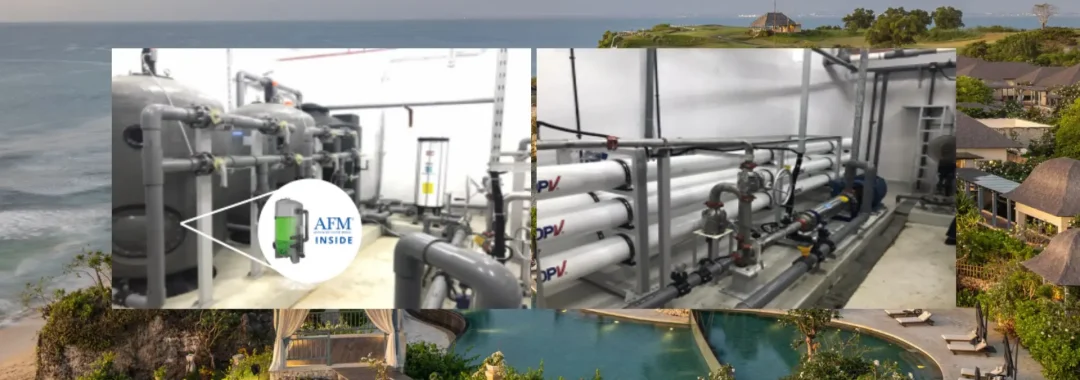
Desalination plant at Jumeirah Bali using Activated Filter Media (AFM) and Sea Water Reverse Osmosis (SWRO) for sustainable water treatment.

Jumeirah Bali Desalination Plant: AFM and SWRO

Introduction

Luxury coastal resorts must manage water supply carefully. At Jumeirah Bali, the resort installed a desalination plant combining Activated Filter Media (AFM) and Sea Water Reverse Osmosis (SWRO) to ensure sustainable, high-quality water for its operations. According to the group, it features one of the region’s most advanced desalination solutions to avoid stressing Bali’s fragile freshwater resources (Jumeirah).


Challenges Faced by Jumeirah Bali Desalination Plant

Resort-scale seawater desalination comes with several obstacles:

  • High turbidity and suspended solids in seawater intake
  • Need for robust pre-treatment to protect SWRO membranes
  • Maintaining cost efficiency (OPEX, CAPEX) for long-term operations
  • Environmental considerations like brine discharge and energy demand (ScienceDirect)

Technical Solution: AFM Filtration and SWRO in Industrial Desalination Systems

AFM Filtration in Jumeirah Bali Desalination Plant

  • Seawater intake filtered through AFM Grades 1–3.
  • AFM effectively reduced colloidal matter, suspended solids, and organic load.
  • Research shows AFM can outperform sand filters in reducing turbidity and SDI (ResearchGate).

👉 Learn more about our Water Treatment Supply solutions.

SWRO System for Seawater Desalination

  • Post AFM, seawater processed through SWRO membranes.
  • Reduced turbidity and lower SDI safeguarded RO performance.
  • External studies note that SWRO is effective but requires careful energy optimization and brine management (Frontiers in Water).

👉 See our Reverse Osmosis Membrane product page.


Performance Results of Jumeirah Bali Industrial Desalination System

The desalination plant achieved:

  • Turbidity: reduced from 3–4 NTU → 0.2 NTU
  • SDI: lowered from 5–6 → <3
  • Suspended solids: reduced from 10–12 mg/L → <2 mg/L
  • Capacity: 400 CMD (2021) and 300 CMD (2023)

These results highlight how AFM filtration + SWRO desalination produced stable, cost-efficient operations at Jumeirah Bali.


Sustainability and Benefits of Seawater Desalination at Jumeirah Bali

  • Long-term OPEX and CAPEX savings
  • Stable performance of industrial desalination systems
  • Reduction in freshwater dependency in Pecatu, Bali
  • Alignment with global resort sustainability standards (Destinasian)

👉 Explore our expertise in Seawater Treatment and Desalination Technologies.


Conclusion: Jumeirah Bali Desalination Plant as a Model for Resorts

The Jumeirah Bali Desalination Plant proves how industrial desalination systems combining AFM pre-filtration and SWRO technology can ensure clean, reliable, and sustainable water supply for luxury hospitality. By addressing turbidity, SDI, and suspended solids, this project demonstrates best practices for future resort-scale desalination projects in Southeast Asia.


❓ FAQ About Jumeirah Bali Desalination Plant

1. What is the Jumeirah Bali Desalination Plant?
It is a seawater treatment facility at Jumeirah Bali that uses Activated Filter Media (AFM) and Sea Water Reverse Osmosis (SWRO) to produce clean, sustainable water for resort operations.

2. Why does Jumeirah Bali need a desalination plant?
The resort is located in Pecatu, Bali, where freshwater resources are limited. Desalination reduces dependency on local water supplies and ensures sustainability.

3. How does AFM improve desalination at Jumeirah Bali?
AFM filtration removes turbidity, colloids, and suspended solids, lowering the SDI index. This extends the lifespan of SWRO membranes and reduces operational costs.

4. What are the results of the desalination system?
The system reduced turbidity from 3–4 NTU to 0.2 NTU, suspended solids from 10–12 mg/L to <2 mg/L, and stabilized SDI below 3.

5. Is seawater desalination sustainable for resorts?
Yes, when paired with technologies like AFM and energy-optimized SWRO, desalination provides resorts with reliable water while reducing environmental impact.

Follow us on Social Media

Facebook Instagram LinkedIn
Industrial desalination system at St. Regis Bali using Activated Filter Media (AFM) and Sea Water Reverse Osmosis (SWRO).

Industrial Desalination Systems at St. Regis Bali

Why Industrial Desalination Systems Matter in Hospitality

As water demand increases in the hospitality industry, ensuring a reliable and efficient clean water supply becomes essential. Industrial desalination systems are now key for hotels and resorts located in coastal areas. This case study presents how St. Regis Bali implemented a robust desalination solution combining Activated Filter Media (AFM) and Sea Water Reverse Osmosis (SWRO).


Problems Before Implementing Industrial Desalination Systems

St. Regis faced several operational challenges prior to upgrading its system:

  • High frequency of RO membrane cleaning.
  • Frequent cartridge filter replacement.
  • Elevated turbidity levels.
  • High suspended solids in raw seawater.

These issues increased operational costs and reduced efficiency, threatening consistent water quality for hotel operationsCase study GLS in St. Regis.


Technical Solution: AFM Filtration and SWRO Desalination

To address these challenges, the industrial desalination system was designed with two main steps:

AFM Filtration in Industrial Desalination Systems

  • Seawater intake was filtered through AFM Grades 0, 1, 2, and 3.
  • AFM effectively trapped suspended solids and organic matter.
  • Regular backwash cycles removed impurities, keeping the media efficient.
  • Research confirms that AFM outperforms traditional sand filters in reducing suspended solids and turbidity (ResearchGate).

👉 Learn more about our Water Treatment Supply services for industrial applications.

SWRO for Seawater Desalination

  • After AFM pre-treatment, seawater was processed through SWRO membranes.
  • With reduced turbidity and lower SDI, the RO membranes lasted longer and performed optimally.
  • While SWRO is effective, it also faces environmental challenges such as brine disposal and energy use (ScienceDirect).

👉 See our Reverse Osmosis Membrane options for seawater and brackish water systems.


Results of the Industrial Desalination System at St. Regis

The installation delivered significant improvements:

  • Turbidity reduced from 2–3 NTU to <0.1 NTU.
  • SDI dropped from 4–5 to <3, protecting membranes.
  • Suspended solids decreased from 5–8 mg/L to <1 mg/L.
  • Clearer water quality, fewer cleanings, and reduced operating costsCase study GLS in St. Regis.

Capacity and Application of Seawater Desalination

  • Location: St. Regis, Nusa Dua, Bali, Indonesia
  • Year: 2022
  • Raw Water Source: Seawater
  • System Capacity: 450 CMD
  • Targeted Removal: Organic matter, suspended solids, turbidity

For similar projects, explore our expertise in Seawater Treatment and Desalination Technologies designed for resorts, industries, and municipalities.


Future of Industrial Desalination Systems

As desalination demand grows, energy efficiency remains critical. Research shows that hybrid desalination systems, such as combining SWRO with Pressure Retarded Osmosis (PRO), can significantly reduce energy use (Frontiers in Water).


Conclusion

The St. Regis project proves how combining AFM filtration and SWRO desalination creates a sustainable and cost-effective water treatment solution. By lowering turbidity, extending membrane life, and reducing maintenance, this industrial desalination system ensures a reliable water supply that supports operational excellence in luxury hospitality.

Industrial desalination systems like this are vital for regions where seawater is the primary resource, offering both performance and sustainability.

Follow us on Social Media

Facebook Instagram LinkedIn
Brackish water adalah air payau yang terdapat di muara sungai dan pesisir

Brackish Water Adalah: Definisi, Contoh, dan Solusi Desalination

Air merupakan sumber kehidupan, namun tidak semua air dapat langsung digunakan untuk kebutuhan sehari-hari maupun industri. Salah satu jenis air yang sering ditemui di berbagai wilayah pesisir adalah brackish water atau air payau. Artikel ini akan membahas brackish water adalah, karakteristiknya, serta solusi pengolahan melalui desalination.


Apa Itu Brackish Water?

Secara sederhana, brackish water adalah air yang memiliki kadar garam lebih tinggi dari air tawar namun lebih rendah dibandingkan air laut. Salinitasnya biasanya berkisar antara 0,5 – 30 ppt (parts per thousand). Brackish water sering ditemukan di:

  • Muara sungai (estuary)
  • Tambak atau rawa pesisir
  • Intrusi air laut ke sumur dangkal
  • Wilayah dengan kondisi geologi tertentu

Karena kandungan garamnya, air payau tidak bisa dikonsumsi langsung dan membutuhkan proses pengolahan khusus.


Tantangan Brackish Water

  1. Salinitas sedang – Tidak setinggi laut, namun tetap dapat merusak pipa, peralatan, atau instalasi industri.
  2. Kualitas fluktuatif – Tergantung musim, pasang surut, dan lokasi geografis.
  3. Kontaminan tambahan – Selain garam, sering juga mengandung logam berat, sedimen, dan mikroorganisme.

Hal ini membuat pengolahan brackish water membutuhkan teknologi yang tepat.


Solusi: Desalination untuk Brackish Water

Desalination adalah proses untuk menghilangkan garam dari air sehingga layak untuk dikonsumsi atau digunakan dalam industri. Teknologi desalination untuk brackish water umumnya menggunakan:

  • Brackish Water Reverse Osmosis (BWRO): Membran RO khusus untuk mengolah air payau dengan efisiensi tinggi.
  • Nanofiltration (NF): Alternatif untuk mengurangi kandungan garam sebagian.
  • Hybrid System: Kombinasi RO, filtrasi, dan pretreatment untuk hasil optimal.

👉 Lihat lebih lanjut tentang brackish water treatment yang kami sediakan untuk berbagai kebutuhan industri.


Teknologi yang Digunakan

  1. Brackish Water RO Membrane
    Membran ini dirancang khusus untuk menurunkan kadar TDS (Total Dissolved Solids) hingga tingkat yang aman. Pelajari detail tentang brackish water RO membrane yang cocok untuk kebutuhan hotel, industri, maupun perumahan.
  2. Desalination Technologies
    Selain BWRO, terdapat juga teknologi desalination technologies yang relevan untuk pengolahan air laut maupun air payau dengan skala besar.

Pentingnya Pengolahan Brackish Water di Indonesia

Indonesia, sebagai negara kepulauan dengan garis pantai terpanjang kedua di dunia, memiliki banyak area dengan potensi brackish water. Dengan meningkatnya kebutuhan air bersih di sektor hospitality, industri, hingga perkotaan, teknologi desalination menjadi solusi berkelanjutan.

Dengan memilih partner yang tepat, Anda dapat mengoptimalkan ketersediaan air bersih tanpa harus khawatir terhadap dampak lingkungan.


Kesimpulan

Brackish water adalah air dengan kadar garam sedang yang membutuhkan pengolahan khusus. Dengan teknologi desalination seperti BWRO, air payau dapat diubah menjadi sumber air bersih yang aman, efisien, dan berkelanjutan.

Untuk informasi lebih lanjut mengenai layanan dan teknologi pengolahan air, kunjungi halaman kami di Facebook atau Instagram.

Follow us on Social Media

Facebook Instagram LinkedIn
Diagram of sludge dewatering unit design showing solid-liquid separation process in wastewater treatment.

Sludge Dewatering Unit Design

Sludge Dewatering Unit Design vs. Traditional Disposal Methods

Introduction

Sludge dewatering unit design is transforming how industries handle wastewater. Traditional disposal methods like drying beds, lagoons, and landfilling often cause inefficiencies and higher costs. With increasing environmental regulations, modern sludge dewatering systems present a sustainable and cost-effective solution. This article compares advanced dewatering units with conventional sludge treatment methods, focusing on cost, performance, and sustainability.


What Is Sludge Dewatering Unit Design in Wastewater Treatment?

Sludge treatment design reduces water content in sludge, lowering disposal costs and environmental impact.

Key Features of Modern Sludge Dewatering Systems

  • Capacity & Throughput: Handles continuous sludge flows efficiently.
  • Automation & Controls: Reduces manual labor through smart systems.
  • Polymer Dosing Optimization: Improves sludge cake dryness.
  • Energy-Efficient Motors: Cuts operational power use.

👉 Many plants enhance separation with industrial decant tank applications for better wastewater sludge management.


Traditional Sludge Disposal Methods in Comparison

Traditional methods were once common, but they now struggle with compliance and efficiency.

Drying Beds for Sludge Treatment

Simple and low-cost but land-intensive and weather-dependent.

Sludge Lagoons as Disposal Units

Cheap upfront but cause odor, contamination risks, and high land use.

Landfilling Wastewater Sludge

Convenient but expensive due to hauling fees, landfill restrictions, and tipping costs.


Cost Benefits of Sludge Dewatering Systems vs. Traditional Disposal

Disposal Savings with Dewatering Equipment

Sludge dewatering reduces volume by up to 80%, cutting landfill and hauling expenses.

Labor and Maintenance Comparison

  • Traditional disposal methods: labor-heavy and inefficient.
  • Dewatering equipment: automated, consistent, and requires less manpower.

ROI from Sludge Treatment Design

Modern sludge management technology often pays back within 2–3 years, as seen in the GLS desalination project.


Performance of Sludge Dewatering Systems vs. Traditional Methods

Sludge Cake Quality

  • Dewatering units: 20–35% dry solids.
  • Traditional lagoons/beds: only 5–10% dry solids.

Disposal Efficiency in Sludge Management

Advanced wastewater sludge dewatering designs guarantee consistent output. Learn more via Hiller sludge dewatering resource.


Environmental and Regulatory Impact of Sludge Dewatering Design

Sustainability Benefits of Dewatering Systems

  • Less transport emissions.
  • Smaller footprint vs. traditional sludge disposal.
  • Better alignment with strict wastewater treatment regulations.

Challenges of Traditional Sludge Methods

Lagoons and drying beds often fail compliance, cause leachate issues, and occupy large land areas.


Case Study: Sludge Dewatering in Food & Packaging Wastewater

A packaging facility replaced lagoons with sludge dewatering equipment and achieved:

  • 50% disposal cost reduction.
  • Higher sludge cake quality.
  • Lower hauling frequency, reducing CO₂ emissions.

Future Trends in Sludge Dewatering and Treatment Design

Smart Monitoring and Automation

Sensors optimize polymer dosing and monitor cake dryness.

Compact Modular Sludge Management Units

Ideal for industries with space constraints.

Energy Recovery and Sustainability

Dewatered sludge can be repurposed for biogas production.

Stay updated with trends on Instagram, Facebook, and LinkedIn.


FAQ on Sludge Dewatering vs. Traditional Disposal

1. Why is sludge dewatering more efficient than traditional disposal methods?
It reduces sludge volume and weight, cutting disposal costs.

2. What sludge cake quality can be expected?
20–35% solids with dewatering vs. only 5–10% using lagoons.

3. Is dewatering suitable for small industries?
Yes, modular sludge management units are available.

4. How fast is ROI on sludge dewatering systems?
Typically 2–3 years.

5. Can sludge dewatering fully replace traditional disposal?
Yes, in most industries, though hybrid systems may be optimal.


Conclusion

The evidence is clear: sludge dewatering unit design delivers cost savings, improved sludge cake quality, and sustainability advantages over traditional disposal methods. For industries aiming to reduce sludge treatment cost and meet regulatory standards, modern dewatering systems provide a reliable and future-ready solution.

👉 Learn more on our sludge dewatering unit product page and explore advanced chemical solutions like best RO membrane antiscalant to protect your system.

Follow us on Social Media

Facebook Instagram LinkedIn
Fouling pada sistem membran RO akibat kerak mineral dan deposit yang menumpuk di permukaan.

Fouling pada Sistem Membran RO

Pendahuluan

Fouling adalah masalah operasional akibat kerak dan deposit mineral yang sering terjadi pada sistem membran Reverse Osmosis (RO). Ketika endapan kalsium, magnesium, atau silika terbentuk di permukaan membran, aliran air bersih terhambat, efisiensi filtrasi menurun, dan biaya perawatan meningkat. Dalam industri yang mengandalkan pasokan air berkualitas tinggi—mulai dari hotel dan pabrik minuman hingga instalasi desalinasi—fouling dapat berdampak langsung pada produktivitas dan keberlanjutan operasional. Artikel ini membahas penyebab, dampak, serta strategi pencegahan untuk menjaga sistem RO tetap efisien dan andal.


Memahami Fouling pada Sistem RO

Sistem RO bekerja dengan prinsip tekanan osmotik terbalik. Namun, fouling—khususnya scaling akibat kerak mineral—mengurangi kinerja sistem. Menurut ScienceDirect, fouling merupakan salah satu tantangan terbesar dalam industri pengolahan air modern.bab paling sering yang menimbulkan masalah operasional jangka panjang.


Kerak dan Deposit Mineral: Penyebab Utama Fouling

Jenis Mineral Penyebab Kerak

Kerak pada membran RO umumnya disebabkan oleh endapan:

  • Kalsium karbonat (CaCO₃)
  • Kalsium sulfat (CaSO₄)
  • Silika (SiO₂)
  • Besi dan mangan

Mineral ini larut dalam air baku, lalu mengendap ketika tekanan osmosis dan konsentrasi ion meningkat di permukaan membran.

Proses Terbentuknya Kerak

  1. Air baku dengan TDS (Total Dissolved Solids) tinggi masuk ke sistem RO.
  2. Ion kalsium, magnesium, atau silika mencapai titik jenuh.
  3. Kristal terbentuk di permukaan membran → deposit mineral.
  4. Lapisan deposit menghalangi air, memicu fouling.

Faktor yang Mempercepat Kerak

  • Kualitas air baku buruk tanpa pre-treatment.
  • pH tinggi (mempercepat pembentukan kalsium karbonat).
  • Temperatur air meningkat, mempercepat presipitasi.
  • Desain sistem RO yang kurang optimal.

Untuk kebutuhan industri yang beroperasi dengan air laut, pencegahan scaling sebaiknya diawali dengan Sea Water Treatment Solutions agar kualitas air baku lebih stabil sebelum masuk ke membran RO.


Dampak Fouling pada Sistem Membran RO

Fouling akibat kerak mineral membawa dampak signifikan, baik teknis maupun finansial:

  1. Penurunan Kualitas Air Hasil
    Deposit mineral menurunkan permeabilitas membran, menyebabkan peningkatan TDS di air produk. Akibatnya, hotel atau pabrik minuman dapat menghadapi keluhan pelanggan mengenai rasa, bau, atau kejernihan air.
  2. Peningkatan Konsumsi Energi
    Tekanan pompa harus ditingkatkan untuk mempertahankan debit air. Akibatnya, konsumsi listrik naik, menaikkan biaya operasional.
  3. Downtime Produksi
    Fouling sering memaksa sistem RO berhenti untuk pembersihan (CIP – Cleaning in Place). Downtime berarti kehilangan jam produksi dan potensi pendapatan.
  4. Umur Pakai Membran Lebih Pendek
    Kerak mineral yang berulang mempercepat kerusakan membran. Membran RO yang seharusnya bertahan 3–5 tahun bisa rusak dalam 1–2 tahun.
  5. Biaya Operasional Membengkak
    Kombinasi energi, bahan kimia, downtime, dan penggantian membran menciptakan beban finansial signifikan bagi industri.

Di sisi lain, industri energi juga menghadapi risiko serupa. Pembangkit listrik memerlukan Demineralized Water untuk Power Plants untuk mencegah kerak yang merusak boiler maupun turbin.


Studi Kasus Industri

Hotel dan Resort di Bali

Banyak hotel di Bali mengandalkan sistem RO untuk menyediakan air bersih bagi tamu. Namun, kualitas air baku yang tinggi kandungan kalsium dan magnesium sering menimbulkan fouling. Akibatnya, pompa harus bekerja lebih keras, tagihan listrik meningkat, dan sistem sering berhenti untuk pembersihan.

Industri Minuman

Pabrik minuman dalam kemasan juga menghadapi masalah serupa. Deposit mineral pada membran RO menurunkan kapasitas produksi air siap minum. Setiap jam downtime berarti kehilangan ribuan liter produk dan mengganggu distribusi.

Instalasi Desalinasi Laut

Fouling adalah masalah operasional terbesar dalam desalinasi air laut. Kandungan silika dan kalsium di air laut memicu scaling, membuat desalinasi lebih mahal tanpa manajemen fouling yang tepat.

Selain hotel dan pabrik minuman, industri pengolahan limbah pun terpengaruh. Penggunaan Sludge Dewatering Equipment menjadi salah satu strategi mengurangi beban padatan yang bisa memicu fouling pada sistem RO.


Solusi Mengatasi Fouling Akibat Kerak dan Deposit Mineral

1. Pre-Treatment Air Baku

Langkah pertama adalah menurunkan beban mineral sebelum air masuk ke sistem RO:

  • Sand filter & multimedia filter untuk partikel kasar.
  • Activated carbon untuk mengurangi organik.
  • Softener untuk menurunkan kalsium & magnesium.

2. Penggunaan Anti-Scalant Chemicals

Bahan kimia anti-scalant efektif mencegah kristalisasi mineral. Dosis tepat berdasarkan kualitas air baku dapat memperpanjang umur membran.

3. Cleaning Membran Secara Berkala (CIP)

  • Acid cleaning untuk kerak karbonat & sulfat.
  • Alkaline cleaning untuk deposit organik.
    Pembersihan rutin menjaga efisiensi dan memperpanjang umur membran.

4. Monitoring Kualitas Air

  • TDS meter untuk memantau kualitas air hasil.
  • pH & hardness monitoring untuk mendeteksi risiko scaling.
  • Pressure drop monitoring sebagai indikator fouling.

Strategi Pencegahan Jangka Panjang

  1. Desain Sistem RO yang Tepat
    Perhitungan recovery rate dan tekanan harus disesuaikan dengan kondisi air baku. Sistem yang salah desain mempercepat fouling.
  2. Schedule Maintenance Teratur
    Inspeksi rutin, cleaning terjadwal, dan pengecekan pompa membantu mencegah downtime mendadak.
  3. Teknologi Filtrasi Modern
    Menggunakan media filtrasi terbaru seperti activated filter media atau ultrafiltration sebagai pre-treatment dapat mengurangi risiko fouling.
  4. Kerja Sama dengan Penyedia Solusi Profesional
    Bekerja sama dengan EPC water treatment seperti Gapura Liqua Solutions membantu industri mendapatkan desain, instalasi, dan maintenance sistem RO yang optimal.

Untuk edukasi dan tips terkini, ikuti juga aktivitas kami di Instagram, Facebook, dan LinkedIn.


FAQ (Frequently Asked Questions)

1. Apa itu fouling pada membran RO?
Fouling adalah penumpukan partikel, biofilm, atau mineral pada permukaan membran yang menghambat aliran air.

2. Mengapa kerak mineral berbahaya?
Kerak mineral meningkatkan tekanan pompa, menurunkan efisiensi, dan memperpendek umur membran.

3. Bagaimana mendeteksi fouling sejak dini?
Pantau kenaikan pressure drop, TDS output, serta perubahan debit air.

4. Apakah cleaning membran cukup untuk mengatasi fouling?
Cleaning membantu, tetapi pencegahan dengan pre-treatment dan anti-scalant lebih efektif jangka panjang.

5. Berapa biaya penanganan fouling?
Bervariasi tergantung skala sistem, namun downtime dan penggantian membran bisa jauh lebih mahal dibanding investasi pencegahan.


Kesimpulan

Fouling adalah masalah operasional serius pada sistem membran RO akibat kerak mineral dan deposit mineral. Dampaknya bisa dilihat dari peningkatan energi, downtime produksi, hingga biaya penggantian membran. Dengan langkah pencegahan yang tepat—mulai dari pre-treatment, penggunaan anti-scalant, hingga solusi water treatment profesional—industri dapat menjaga efisiensi operasional sekaligus menekan biaya.

👉 Jika bisnis Anda menghadapi tantangan serupa, Gapura Liqua Solutions siap membantu dengan solusi pengolahan air yang andal, efisien, dan sesuai kebutuhan industri.

Follow us on Social Media

Facebook Instagram LinkedIn

Sea Water Treatment Solutions with advanced RO membrane system for hotels and resorts in Bali

Reliable Sea Water Treatment Solutions for Hospitality Industry

Reliable Sea Water Treatment Solutions for Hospitality Industry

Running a hotel in Bali comes with unique water challenges. Many properties depend on limited freshwater sources, while demand from guests and operations continues to rise. For hotels located along the coastline, the only available alternative is seawater. However, untreated seawater contains high salinity, minerals, and impurities that damage equipment, reduce efficiency, and generate costly complaints.

At Gapura Liqua Solutions, we provide Sea Water Treatment Solutions powered by advanced Reverse Osmosis (RO) systems. These solutions help hotels and resorts secure a consistent, cost-effective, and high-quality water supply.


Why Sea Water Treatment Matters in Bali’s Hospitality Sector

Rising Operational Costs

General Managers and Chief Engineers know that water-related issues directly affect costs. Scaling in boilers, hot water systems, and laundry equipment leads to higher energy bills and premature replacement of linens. Chemical consumption also increases without effective treatment.

Guest Satisfaction at Risk

Guests expect clean, fresh water for showers, dining, and recreational facilities. Poor water quality creates negative reviews, impacting the reputation of hotels and resorts. Complaints about taste, odor, or hardness are common when seawater is not properly treated.

Long-Term Equipment Damage

High salinity and minerals in seawater accelerate corrosion and scaling inside pipes, chillers, heaters, and boilers. This leads to frequent breakdowns and unplanned maintenance costs.


Technology Breakdown – RO Systems for Sea Water Treatment

The backbone of effective Sea Water Treatment Solutions is the Reverse Osmosis (RO) system. This proven technology removes salt, minerals, and impurities from seawater, producing clean and safe water for hotel operations.

Key Components of RO Systems

  • Pre-treatment: Filtration systems remove suspended solids, sand, and organic matter. Advanced media such as Activated Filter Media extend membrane life.
  • High-Pressure Pumps: Designed to push seawater through RO membranes at optimal pressure.
  • RO Membranes: Specialized membranes reject up to 99% of dissolved salts, ensuring freshwater output.
  • Post-treatment: Mineral adjustment and disinfection to deliver water suitable for human use and hotel operations.

Benefits for Hotels

  1. Cost Reduction: Minimize chemical use, energy waste, and linen replacement.
  2. Consistent Supply: Ensure reliable water for daily operations regardless of freshwater availability.
  3. Guest Experience: Deliver clean, odor-free, and safe water across the property.
  4. Sustainability: Reduce dependency on groundwater, supporting eco-friendly hotel operations.

Case Example – Seawater Treatment for Hotels in Bali

Hotels near the coastlines often rely entirely on seawater. With a properly engineered RO system, seawater can be transformed into high-quality freshwater. For instance, our Hotel Water Filtration Systems have been implemented in resorts facing water shortages.

The outcome is lower operating costs, extended equipment life, and improved guest reviews. Many hotel owners recognize seawater treatment not as an expense, but as an investment in long-term sustainability.


Why Partner with Gapura Liqua Solutions?

As an EPC water treatment specialist in Indonesia, Gapura Liqua Solutions provides end-to-end support:

  • Engineering: Custom RO system design tailored to your hotel’s needs.
  • Procurement: Reliable supply of membranes, pumps, and treatment chemicals.
  • Construction & Installation: Fast deployment with minimal disruption to hotel operations.
  • After-Sales Service: Ongoing support, monitoring, and maintenance.

We understand the challenges faced by the hospitality sector in Bali and deliver practical, proven solutions. Explore our specialized Brackish Water RO Systems for Hotels.


Taking Action – Secure Your Hotel’s Future

Investing in Sea Water Treatment Solutions is not just about solving today’s water problems—it is about securing the future of your hotel operations. Whether you manage a boutique resort or a large international property, reliable water quality translates into cost savings, guest satisfaction, and brand reputation.

Ready to transform seawater into an asset for your hotel?
Contact Gapura Liqua Solutions today for a consultation and customized seawater RO design that reduces costs, protects equipment, and improves guest experiences.

📞 Visit us at Gapura Liqua Solutions