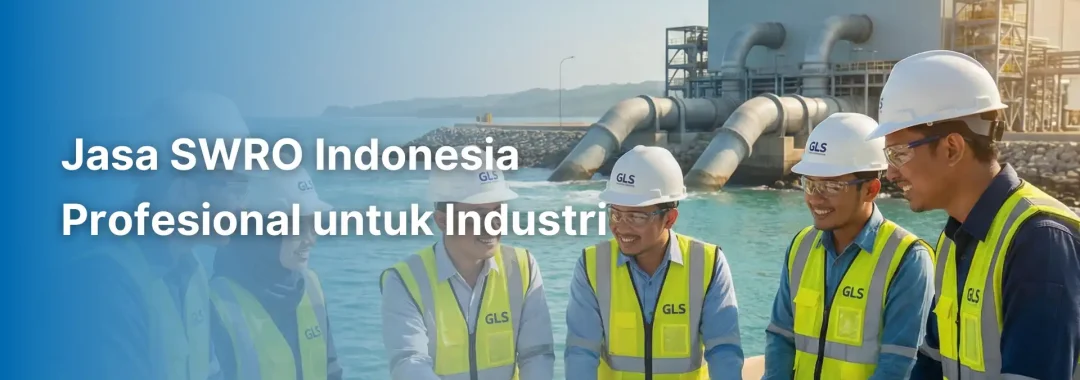
Tim teknisi memberikan jasa SWRO Indonesia profesional di lokasi pabrik tepi pantai.

Jasa SWRO Indonesia Profesional untuk Industri

Jasa SWRO Indonesia Profesional: Solusi Air Bersih Industri

Bagi Manajer Fasilitas dan Kepala Pengadaan di sektor industri, air adalah aset strategis. Di negara kepulauan seperti Indonesia, mengubah air laut menjadi air tawar melalui desalinasi (Seawater Reverse Osmosis) adalah solusi paling logis. Namun, kompleksitas teknologi ini menuntut Anda untuk memilih penyedia jasa SWRO Indonesia profesional.

PT. Gapura Liqua Solutions (GLS) memahami bahwa kegagalan sistem air berarti terhentinya produksi. Oleh karena itu, artikel ini akan membahas pentingnya memilih mitra teknis yang kompeten untuk menjamin investasi Anda menghasilkan air berkualitas secara konsisten.

Mengapa Anda Membutuhkan Jasa SWRO Indonesia Profesional?

Banyak industri mencoba membangun sistem desalinasi dengan vendor umum, namun sering kali berakhir dengan biaya operasional yang membengkak. Air laut bersifat sangat korosif dan memiliki karakteristik biologis yang dinamis. Tanpa penanganan dari penyedia jasa SWRO Indonesia profesional, sistem Anda rentan terhadap kerusakan dini.

Menghindari Risiko Kegagalan Sistem Desalinasi

Sistem yang dirancang secara amatir sering gagal mengantisipasi fluktuasi kualitas air laut. Akibatnya, membran cepat mampet (fouling) dan pompa bertekanan tinggi mengalami kerusakan. Kerugian finansial akibat downtime produksi ini jauh melebihi penghematan awal saat memilih vendor murah.

Sebaliknya, penyedia layanan profesional melakukan analisis mendalam terhadap air baku sebelum mendesain sistem. Pendekatan ini memastikan bahwa unit desalinasi mampu beroperasi 24 jam sehari tanpa gangguan berarti.

Standar Teknis dalam Layanan SWRO Profesional

Sebuah jasa SWRO Indonesia profesional tidak hanya menjual alat, tetapi menawarkan efisiensi. GLS menerapkan standar rekayasa tinggi untuk memastikan Operating Expenditure (OPEX) Anda tetap rendah.

Efisiensi Energi dengan Teknologi ERD

Salah satu tantangan terbesar desalinasi adalah konsumsi listrik. Namun, GLS mengintegrasikan Energy Recovery Device (ERD) dalam setiap desainnya. Teknologi ini menangkap kembali energi tekanan dari air buangan (brine) dan menggunakannya kembali untuk memompa air masuk.

Hasilnya, konsumsi energi dapat turun drastis hingga 50%. Ini adalah salah satu keunggulan sistem air RO modern yang kami tawarkan, menjadikan desalinasi solusi yang ekonomis bagi industri.

Manajemen Membran dan Pre-Treatment

Jantung dari sistem SWRO adalah membran. Untuk menjaga performanya, sistem pre-treatment harus bekerja sempurna menyaring partikel mikroskopis. Pemahaman mendalam mengenai BWRO membrane performance dan SWRO sangat krusial di sini.

Layanan profesional mencakup jadwal perawatan rutin dan penggunaan bahan kimia antiscalant yang tepat. Kami memastikan Reverse Osmosis Membrane Anda memiliki umur pakai yang panjang, sehingga menunda biaya penggantian aset (CAPEX) di masa depan.

Keunggulan Bermitra dengan PT. Gapura Liqua Solutions

Mengapa industri terkemuka memilih GLS sebagai penyedia jasa SWRO Indonesia profesional mereka? Jawabannya terletak pada pendekatan Total Water Solutions.

Kami mendampingi Anda mulai dari tahap studi kelayakan, rekayasa, pengadaan, hingga konstruksi dan operasional jangka panjang.

  1. Keahlian Lokal & Global: Kami menggabungkan teknologi dunia dengan pemahaman kondisi perairan lokal Indonesia.
  2. Dukungan Logistik: Ketersediaan suku cadang adalah prioritas kami. Komponen vital dapat Anda akses dengan mudah, bahkan melalui toko resmi kami di Tokopedia.
  3. Rekam Jejak Terbukti: Proyek-proyek kami berjalan dengan standar keandalan tinggi, memberikan ketenangan pikiran bagi para manajer pabrik.

Anda dapat melihat dedikasi tim kami dalam menangani proyek-proyek strategis melalui pembaruan aktivitas terbaru di LinkedIn GLS.

Kesimpulan

Memilih jasa SWRO Indonesia profesional adalah keputusan investasi terpenting untuk keamanan utilitas pabrik Anda. Dengan mitra yang tepat, air laut yang melimpah dapat menjadi sumber air bersih yang andal dan hemat biaya.

PT. Gapura Liqua Solutions siap membantu Anda merancang, membangun, dan mengelola sistem desalinasi kelas dunia. Jangan biarkan masalah air menghambat pertumbuhan bisnis Anda.

Siap untuk solusi air yang lebih baik? Hubungi Kami untuk Konsultasi Gratis

FAQ Section

Q: Apa yang membedakan jasa SWRO profesional dengan vendor biasa? A: Jasa SWRO Indonesia profesional menawarkan solusi terintegrasi (EPC + O&M), jaminan kinerja (performance guarantee), dan penggunaan teknologi efisiensi energi seperti ERD, sedangkan vendor biasa seringkali hanya menjual peralatan lepas tanpa dukungan teknis jangka panjang.

Q: Berapa lama waktu yang dibutuhkan untuk instalasi sistem SWRO? A: Waktu instalasi bervariasi tergantung kapasitas, biasanya antara 3 hingga 6 bulan mulai dari desain hingga commissioning. GLS memastikan jadwal proyek yang ketat agar operasional Anda tidak terganggu.

Q: Apakah GLS bisa memperbaiki sistem SWRO lama yang rusak? A: Ya, kami menyediakan layanan audit dan revamping (perbaikan/peningkatan) untuk sistem yang sudah ada agar kembali bekerja optimal dan lebih hemat energi.

Q: Apakah air hasil SWRO aman untuk kebutuhan proses industri makanan? A: Tentu saja. Dengan desain yang tepat, sistem SWRO dapat menghasilkan air dengan kemurnian tinggi (food grade) yang memenuhi standar industri makanan dan minuman.


    Follow us on Social Media  

                       
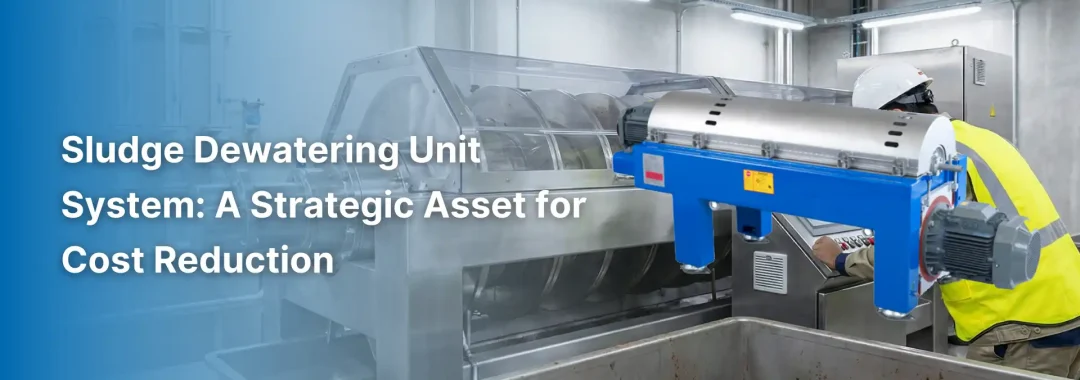
Engineer inspecting a sludge dewatering unit system screw press at an industrial facility.

Sludge Dewatering Unit System: Minimize Disposal Costs

Sludge Dewatering Unit System: A Strategic Asset for Cost Reduction

For Heads of Procurement and Facilities Managers in Indonesia, the output quality of water often defines the success of a wastewater treatment plant (WWTP). However, the byproduct—sludge—presents a significant financial and logistical challenge. Therefore, implementing a robust sludge dewatering unit system represents the most effective method to control rising disposal costs. Additionally, it ensures strict environmental compliance.

PT. Gapura Liqua Solutions (GLS) recognizes that waste management directly affects a facility’s profitability. In this article, we explore why upgrading creates a smart investment for forward-thinking industries.

The Financial Urgency of an Efficient Sludge Dewatering Unit System

Industrial processes, particularly those involving advanced filtration like Reverse Osmosis Membrane pre-treatment, generate substantial amounts of liquid sludge. Typically, this sludge contains 95-99% water. Consequently, without intervention, companies pay exorbitant fees to haul and treat water that they could have separated on-site.

Transforming Liquid Waste into Solid Savings

A well-designed sludge dewatering unit system mechanically separates liquids from solids. By doing so, it significantly reduces the moisture content. As a result, the operator can slash the total volume of waste requiring disposal by up to 80%.

For instance, regarding hazardous (B3) waste, disposal sites calculate fees by weight. Thus, this reduction translates directly to the bottom line. Furthermore, the facility can often recycle the recovered water back into the plant’s headworks. This action improves the overall water balance and supports sustainability goals.

Core Technologies in a Modern Sludge Dewatering Unit System

Selecting the right technology remains crucial. Specifically, engineers must match the sludge dewatering unit system to the specific characteristics of the sludge, whether biological, chemical, or oily.

Screw Press vs. Filter Press Mechanisms

Two primary technologies dominate the market. First, many facilities favor the multi-disc screw press for its continuous, automated operation. Moreover, it offers low energy consumption. Therefore, it suits facilities with limited manpower. On the other hand, the filter press produces a “cake” with very high solid content. Consequently, managers choose it when they prioritize minimizing the absolute weight of the final waste.

Crucially, choosing the correct mechanism ensures that downstream processes run smoothly. In addition, efficient solids removal protects the integrity of other systems. For example, it contributes to stable BWRO membrane performance because it ensures the correct handling of waste streams.

Chemical Conditioning for Optimal Separation

However, mechanical force alone rarely suffices. A high-performance sludge dewatering unit system relies on precise chemical conditioning. Operators dose polymers (flocculants) to bind small particles into larger flocs that are easier to separate.

In fact, this process requires the same precision as dosing water treatment anti scalant. Incorrect chemical usage often leads to wet sludge or blinded filter cloths. Fortunately, GLS engineers specialize in optimizing this chemical regime. This expertise ensures the system runs at peak efficiency.

Why Procurement Leaders Partner with Gapura Liqua Solutions

Installing a sludge dewatering unit system represents a complex engineering task. Indeed, it involves hydraulics, electrical controls, and chemical engineering. Therefore, PT. Gapura Liqua Solutions offers a “Total Water Solutions” approach that simplifies this complexity for our clients.

  • Tailored Engineering: We design systems based on your specific waste profile and space constraints.
  • Operational Excellence: Additionally, we provide training and maintenance support to ensure the system delivers ROI for years to come.
  • Supply Chain Reliability: Furthermore, we ensure consistent availability of polymers and spare parts. Notably, you can easily access standard components via our official Tokopedia store.

Finally, our recent LinkedIn Activity highlights our track record of successful installations and demonstrates our commitment to industrial reliability.

Conclusion

The sludge dewatering unit system acts as the unsung hero of industrial cost control. By drastically reducing waste volume, it lowers operational expenditures. Simultaneously, it simplifies regulatory compliance. Ultimately, it transforms a messy, expensive problem into a manageable, dry byproduct.

Now, PT. Gapura Liqua Solutions stands ready to help you assess your current waste handling processes. Together, we can deploy a solution that drives efficiency. So, do not let water weight drain your budget.

Are you ready to optimize your waste management? Contact Us for a Consultation

FAQ Section

Q: What is the main advantage of a screw press in a sludge dewatering unit system? A: A screw press offers continuous, automated operation with very low power consumption and noise. It is also self-cleaning, which significantly reduces the maintenance burden compared to older belt press technologies.

Q: How much volume reduction can I expect? A: Depending on the initial sludge type and the technology used, volume reduction can range from 60% to over 80%. This massive reduction drastically lowers transportation and landfill tipping fees.

Q: Does GLS provide the chemicals needed for the system? A: Yes, we supply the necessary flocculants and coagulants tailored to your specific sludge characteristics. We also assist in setting up the dosing equipment to ensure optimal cake dryness.

Q: Can this system handle oily sludge? A: Yes, specifically designed screw presses are very effective at handling oily sludge (often found in food processing or refineries) without clogging, unlike traditional filter cloths.

Follow us on Social Media

Facebook Instagram LinkedIn
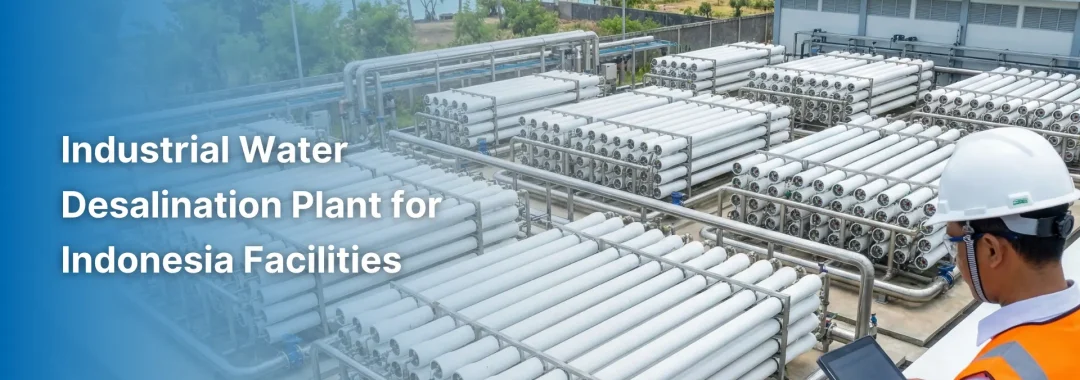
Engineer monitoring an industrial water desalination plant system at a coastal facility in Indonesia.

Industrial Water Desalination Plant for Indonesia Facilities

Industrial Water Desalination Plant: Securing Business Continuity in Indonesia

For Facilities Managers and Heads of Procurement in Indonesia, water is not merely a utility; it is the lifeblood of production. As industrial zones expand and climate patterns shift, relying solely on groundwater or municipal supplies is increasingly risky. Implementing a robust industrial water desalination plant is no longer just an option—it is a strategic necessity for safeguarding operational continuity.

This article examines how modern desalination systems solve critical supply issues and why selecting the right engineering partner is paramount for long-term success.

The Strategic Necessity of Desalination for Facilities

Indonesia’s vast coastline offers abundant seawater resources, yet many industries still struggle with clean water availability. An industrial water desalination plant converts this inexhaustible resource into high-purity process water, insulating your business from drought, regulatory restrictions on groundwater extraction, and municipal supply interruptions.

Mitigating Risks of Unreliable Water Supply

Inconsistent water quality can wreak havoc on expensive machinery. High salinity and contaminants lead to rapid corrosion, scaling, and frequent downtime. By deploying a dedicated industrial water desalination plant, facilities gain control over their water quality parameters. This autonomy prevents unexpected production halts and protects capital assets from premature degradation, directly impacting the bottom line.

Technical Components of an Efficient Industrial Water Desalination Plant

Modern desalination is far more than just filtration; it is a sophisticated integration of hydraulics and chemistry. To ensure commercial viability, the system must balance output quality with energy efficiency.

Advanced Membrane Technology and Pre-treatment

The heart of any Seawater Reverse Osmosis (SWRO) system is the membrane. However, the lifespan of these membranes depends heavily on pre-treatment. Effective removal of suspended solids prevents fouling, which is a common cause of efficiency loss.

At PT. Gapura Liqua Solutions (GLS), we utilize high-performance Reverse Osmosis Membrane technology designed to withstand high pressure and challenging feed water conditions. Understanding BWRO membrane performance is also critical for facilities dealing with brackish sources, ensuring that the specific rejection rates meet industrial standards.

Energy Efficiency and Resource Recovery

Historically, desalination was viewed as energy-intensive. Today, technologies such as Energy Recovery Devices (ERDs) have revolutionized the economics of the industrial water desalination plant. Furthermore, forward-thinking companies are now looking beyond water. Through resource recovery, brine (waste stream) can be processed to extract valuable minerals, turning waste into value.

You can learn more about the specific advantages of RO water systems and how they contribute to a circular economy in our technical insights.

Why Procurement Leaders Partner with Gapura Liqua Solutions

Selecting a vendor for an industrial water desalination plant involves evaluating technical capability, local support, and long-term reliability. PT. Gapura Liqua Solutions stands out as a premier partner for Indonesian industries.

We provide end-to-end solutions, from Engineering and Procurement to Construction and long-term Operations (EPC + O&M). Our “Total Water Solutions” approach means you can focus on your core business while we manage water availability and compliance.

  • Local Expertise: We understand the unique water chemistry of the Indonesian archipelago.
  • Supply Chain Security: We ensure the availability of critical consumables and spare parts, also accessible via our Tokopedia official store for ease of procurement.
  • Proven Track Record: Our projects demonstrate high reliability in challenging environments.

For a glimpse into our recent project activities and industry updates, you can view our latest LinkedIn Activity.

Conclusion

Investing in an industrial water desalination plant is a decisive move toward operational resilience. It mitigates the risks of water scarcity and ensures that your facility meets global standards for sustainability and efficiency. However, the technology is only as good as the partner who installs and maintains it.

PT. Gapura Liqua Solutions combines technical excellence with local understanding to deliver systems that last. We invite you to discuss your specific water requirements with our engineering team.

Are you ready to secure your facility’s water future? Contact Us for a Consultation

FAQ Section

Q: What is the typical lifespan of an industrial water desalination plant? A: With proper maintenance and high-quality components, a plant can operate efficiently for over 20 years. The membranes typically require replacement every 3 to 5 years depending on the feed water quality and pre-treatment efficacy.

Q: How does GLS handle the high energy consumption associated with desalination? A: We design our systems using advanced Energy Recovery Devices (ERDs) and high-efficiency pumps. This significantly reduces the energy footprint, making the operational costs competitive with traditional water sourcing methods.

Q: Can the plant handle variable feed water quality, such as seasonal changes in seawater? A: Yes. Our engineering team designs the pre-treatment and SWRO systems with flexibility in mind. We analyze seasonal data to ensure the system remains stable regardless of fluctuations in turbidity or salinity.

Q: Does GLS provide support after the installation is complete? A: Absolutely. We offer comprehensive Operation & Maintenance (O&M) contracts. Our team manages routine monitoring, chemical cleaning (CIP), and spare parts supply to ensure zero unplanned downtime.

Follow us on Social Media

Facebook Instagram LinkedIn