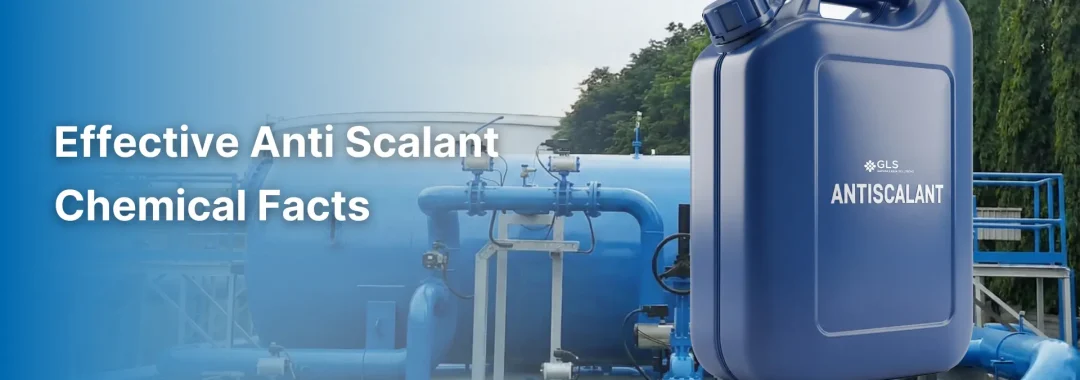
Industrial technician adjusting a chemical dosing pump to administer an effective anti scalant chemical into an RO system to prevent fouling.

Effective Anti Scalant Chemical Facts

Effective Anti Scalant Chemical: Effective Anti Scalant Chemical: Protecting Your Industrial Assets

For industrial facility managers in Indonesia, maintaining the efficiency of a Seawater Reverse Osmosis (SWRO) or Brackish Water Reverse Osmosis (BWRO) plant is a constant battle against chemistry. However, as the system extracts pure water, the remaining salts concentrate rapidly. Consequently, this leads to a high risk of mineral precipitation. To combat this issue, deploying an effective anti scalant chemical is not just an option; it is a necessity for operational continuity.

Moreover, without the correct chemical intervention, scale formation can irreversibly damage expensive membrane elements. As a result, this leads to skyrocketing operational costs and critical production downtime.

Understanding the Threat of Membrane Scaling

Scaling occurs when dissolved minerals in the feed water exceed their solubility limits. In industrial settings, specific compounds like calcium carbonate, calcium sulfate, or reactive silica often drive this process.

How Mineral Precipitation Occurs

First, high-pressure pumps force water through the membrane. Then, the concentration of salts on the feed surface increases significantly. Unless you intervene with an effective anti scalant chemical, these salts crystallize. Subsequently, they form a hard, rock-like layer on the membrane surface. This layer blocks the flow of water. Therefore, the pumps must work harder and consume more energy to maintain production rates.

Why an Effective Anti Scalant Chemical is Critical

Implementing a robust dosing strategy is the first line of defense. Specifically, the primary function of an effective anti scalant chemical involves interfering with crystal growth. This action keeps minerals dissolved even when they are supersaturated.

Reducing Energy Consumption and Cleaning Frequency

When membranes are clean, they operate at optimal pressure. Conversely, scale buildup causes a spike in differential pressure, which leads to higher electricity bills. Furthermore, frequent scaling necessitates frequent Chemical Cleaning (CIP). CIP procedures require downtime and aggressive chemicals that can degrade membrane life over time. Thus, a proper antiscalant strategy minimizes these interruptions.

Extending Membrane Lifespan

Membranes are significant capital assets. In addition to saving energy, preventing physical damage from sharp crystals extends their service life. Simultaneously, reducing the frequency of harsh cleanings protects the membrane surface. For more details on maintaining optimal performance, you can review our guide on BWRO membrane performance.

Selecting the Right Formulation

Antiscalant formulations vary significantly. Therefore, the deployment of an effective anti scalant chemical depends entirely on the specific water chemistry of your site.

  • For instance, high silica water requires specific dispersants to prevent silica polymerization.
  • On the other hand, high hardness water requires strong threshold inhibitors for calcium salts.

Using the wrong generic chemical can be as damaging as using none at all. Consequently, proper selection requires a detailed water analysis and projection software simulation.

Comprehensive Support from Gapura Liqua Solutions

At PT. Gapura Liqua Solutions (GLS), we understand that chemical dosing is part of a larger ecosystem. Hence, we provide end-to-end support, from water analysis to the supply of premium chemicals and the maintenance of dosing equipment.

We ensure that your strategy utilizes an effective anti scalant chemical perfectly aligned with your system’s design limits. For example, procurement managers looking for reliable supplies can access critical components via our official Tokopedia store. Additionally, understanding the advantages of RO systems can help in justifying the investment in high-quality pre-treatment.

We have successfully implemented these strategies across various industries, ensuring long-term reliability. In fact, you can see examples of our operational success in our recent project updates on LinkedIn.

Conclusion

Ultimately, the integrity of your water treatment plant relies on proactive protection. Using an effective anti scalant chemical program is the most cost-effective insurance policy against fouling and failure.

Therefore, do not let mineral scaling compromise your production targets. Partner with experts who understand the science of water. Contact PT. Gapura Liqua Solutions today for a chemical audit and ensure your assets are protected for the long haul.

FAQ

Q: What makes a chemical an “effective anti scalant”?
A: An effective anti scalant chemical must have high threshold inhibition capabilities, meaning it can prevent precipitation even at low dosages. It should also be compatible with your specific membrane type (polyamide or cellulose acetate) and effective against the specific mix of ions in your feed water.

Q: How do I know if I am using the right dosage?
A: Dosage is calculated based on feed water analysis (TDS, pH, temperature, ion concentration) and recovery rate. Under-dosing leads to scaling; over-dosing can cause biofouling. GLS engineers can calculate the precise ppm required for your system.

Q: Can anti scalant remove existing scale?
A: No. Even an effective anti scalant chemical is strictly preventative. To remove existing scale, you must perform a Clean-in-Place (CIP) using low pH (acid) cleaners for minerals or high pH (alkaline) cleaners for organics.

Follow us on Social Media

Facebook Gapura Liqua - effective anti scalant chemical Instagram Gapura Liqua - effective anti scalant chemical LinkedIn Gapura Liqua - effective anti scalant chemical
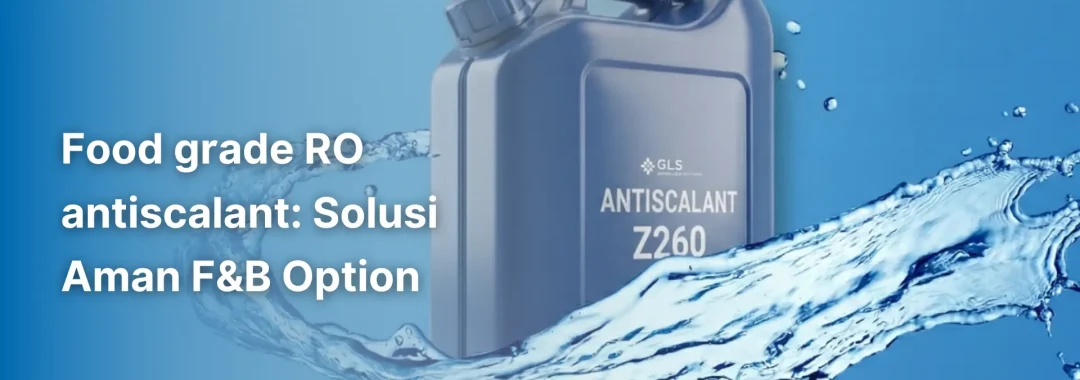
Kemasan produk Food grade RO antiscalant dari Gapura Liqua Solutions yang bersertifikasi aman untuk mencegah kerak pada membran industri F&B.

Food grade RO antiscalant: Solusi Aman F&B Option

Dalam industri pengolahan makanan, minuman, dan farmasi, air adalah bahan baku paling kritis. Sebagai Head of Procurement atau Facilities Manager, Anda memahami bahwa kualitas air produk tidak boleh dikompromikan. Namun, tantangan teknis seperti penumpukan kerak (scaling) pada membran Reverse Osmosis (RO) sering memaksa kita menggunakan bahan kimia tambahan. Di sinilah Food grade RO antiscalant menjadi satu-satunya pilihan yang masuk akal, bukan sekadar opsi.

Mengapa memilih bahan kimia yang tepat bukan hanya soal menjaga umur mesin, tetapi juga tentang melindungi reputasi perusahaan Anda? Simak ulasan mendalam berikut ini.

Mengapa Industri Sensitif Wajib Beralih ke Food Grade?

Penggunaan sistem RO di pabrik sering kali menghadapi musuh utama: kerak mineral (kalsium karbonat, sulfat, dan silika). Tanpa perlakuan yang tepat, membran akan buntu dalam hitungan minggu. Solusi konvensional adalah menginjeksikan antiscalant.

Namun, tahukah Anda bahwa banyak antiscalant industri mengandung polimer akrilik atau fosfonat yang tidak aman jika tertelan?

Oleh karena itu, penggunaan Food grade RO antiscalant adalah mandat, bukan pilihan. Bahan kimia jenis ini dirancang khusus untuk mematuhi standar keamanan pangan global. Jika terjadi kebocoran kecil pada membran atau carry-over bahan kimia, produk akhir Anda tetap aman dikonsumsi dan lolos uji BPOM.

Risiko Fatal Mengabaikan Sertifikasi

Menggunakan antiscalant non-sertifikasi di fasilitas F&B adalah perjudian besar. Risiko yang dihadapi meliputi:

  • Gagal Audit: Fasilitas Anda mungkin tidak lolos audit HACCP atau ISO 22000.
  • Kontaminasi Produk: Residu kimia berbahaya dapat mencemari batch produksi.
  • Kerugian Finansial: Penarikan produk (product recall) memakan biaya miliaran rupiah.

Kriteria Memilih Food grade RO antiscalant Berkualitas

Tidak semua label “food grade” diciptakan sama. Sebagai pengambil keputusan, Anda perlu memverifikasi dokumen pendukung dari supplier. Sebuah produk Food grade RO antiscalant yang valid harus memiliki:

  1. Sertifikasi NSF/ANSI 60: Standar internasional untuk bahan kimia pengolahan air minum.
  2. Sertifikasi Halal: Wajib bagi pasar Indonesia, memastikan bahan bebas dari unsur najis.
  3. MSDS Lengkap: Lembar data keselamatan yang transparan mengenai komposisi.

Selain itu, efektivitas produk juga harus teruji. Antiscalant yang baik harus mampu mengontrol berbagai jenis kerak anorganik sekaligus mendispersikan koloid, sehingga frekuensi pembersihan membran (CIP – Cleaning In Place) dapat dikurangi secara signifikan.

Bagaimana Cara Kerjanya dalam Melindungi Aset Anda?

Secara teknis, Food grade RO antiscalant bekerja dengan mekanisme threshold inhibition. Zat ini mengganggu pembentukan kristal garam pada tahap mikroskopis, mencegahnya tumbuh menjadi kerak keras yang menempel pada permukaan membran.

Keunggulan utamanya adalah efisiensi dosis. Dengan dosis yang sangat rendah (seringkali 2-5 ppm), bahan ini mampu melindungi ribuan liter air. Akibatnya, biaya operasional per meter kubik air tetap rendah, sementara umur pakai membran dapat diperpanjang hingga bertahun-tahun.

Dengan demikian, investasi pada kimia berkualitas tinggi justru lebih hemat dibandingkan biaya penggantian membran yang prematur akibat penggunaan antiscalant murah yang tidak efektif.

Studi Kasus: Efisiensi Biaya dan Kepatuhan

Banyak klien kami di PT. Gapura Liqua Solutions (GLS) awalnya ragu beralih ke varian food grade karena persepsi harga yang lebih tinggi. Namun, setelah perhitungan Total Cost of Ownership (TCO), faktanya berbeda.

Misalnya, sebuah pabrik minuman di Jawa Barat berhasil mengurangi frekuensi CIP dari sebulan sekali menjadi tiga bulan sekali setelah beralih ke antiscalant spesifik yang kami rekomendasikan. Selain itu, mereka melewati audit tahunan tanpa temuan mayor terkait kualitas air.

Selanjutnya, dukungan teknis dari supplier juga krusial. Supplier yang baik tidak hanya “jual putus”, tetapi membantu menghitung dosis injeksi yang tepat (dosing calculation) berdasarkan analisis air baku Anda.

Pertanyaan Umum (FAQ)

Untuk membantu Anda lebih jauh, berikut adalah jawaban atas pertanyaan yang sering diajukan terkait produk ini:

1. Apakah Food grade RO antiscalant lebih mahal dari tipe industri biasa?

Secara harga per kilogram mungkin sedikit lebih tinggi karena proses sertifikasi yang ketat. Namun, karena konsentrasinya seringkali lebih tinggi dan efisien, biaya penggunaan harian (dosage cost) sangat kompetitif.

2. Apakah saya perlu mengganti pompa dosing saat beralih ke food grade?

Umumnya tidak. Namun, kalibrasi ulang pompa dosing sangat disarankan untuk menyesuaikan dengan specific gravity dan rekomendasi dosis bahan kimia baru tersebut.

3. Di mana saya bisa mendapatkan produk dengan sertifikasi resmi?

Pastikan Anda membeli dari distributor resmi yang dapat menunjukkan sertifikat asli, bukan sekadar klaim di brosur.

Kesimpulan: Bermitra dengan Ahli untuk Ketenangan Pikiran

Memilih Food grade RO antiscalant yang tepat adalah langkah strategis untuk mengamankan lini produksi Anda. Di PT. Gapura Liqua Solutions (GLS), kami memahami bahwa Anda membutuhkan lebih dari sekadar bahan kimia; Anda membutuhkan jaminan keamanan dan efisiensi.

Sebagai ahli dalam water treatment, kami menyediakan rangkaian produk bahan kimia yang teruji, lengkap dengan dukungan teknis untuk Seawater Desalination, Brackish Water, hingga sistem daur ulang air (Resource Recovery).

Jangan biarkan masalah kualitas air menghambat bisnis inti Anda. Diskusikan kebutuhan spesifikasi teknis dan permintaan penawaran harga Anda hari ini.

Hubungi tim ahli kami melalui tautan berikut: Contact Us.

Follow us on Social Media

Facebook Instagram LinkedIn