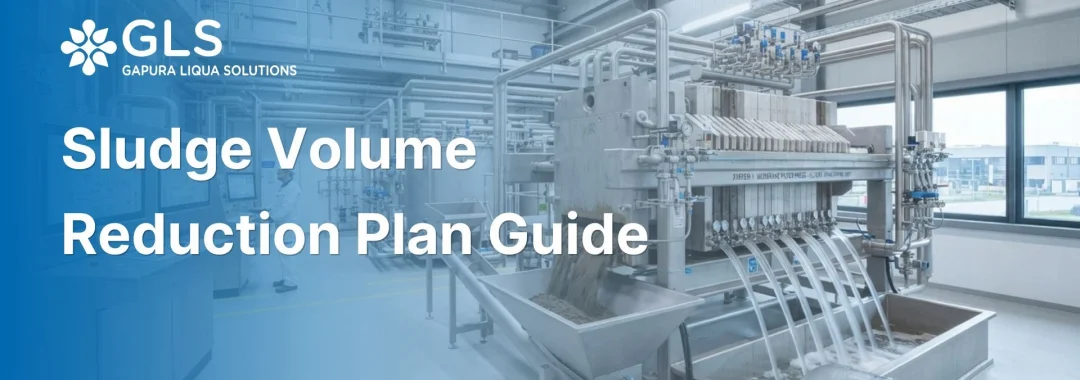
Industrial sludge volume reduction plan filter press equipment in a modern wastewater treatment plant

Sludge Volume Reduction Plan Guide

Strategic Industrial Wastewater Management: Implementing a Sludge Volume Reduction Plan

Industrial manufacturing facilities face growing pressure to manage operational wastewater efficiently. As regulatory bodies enforce strict discharge limits, handling residual sludge becomes a primary cost driver. Implementing a structured sludge volume reduction plan allows plant operators to lower logistics expenses, optimize equipment performance, and maintain long-term environmental compliance. By adopting modern engineering strategies and consulting with industry experts, industrial facilities can turn complex waste burdens into streamlined, sustainable operations.

Understanding the Industrial Sludge Challenge

Wastewater treatment generates substantial amounts of semi-solid sludge that require dewatering, transport, and hazardous material disposal. Therefore, unmanaged sludge volume quickly creates bottlenecks in day-to-day manufacturing operations.

Environmental and Operational Bottlenecks

High water content makes raw sludge heavy and volatile. Consequently, stored sludge emits odors, creates secondary contamination risks, and occupies valuable operational footprint within wastewater treatment plants (WWTPs). Regulatory agencies, including environmental protection bodies like the U.S. EPA Sustainable Water Infrastructure framework, emphasize effective solids handling to protect local ecosystems.

Financial Implications of Heavy Sludge Loads

Transporting untreated sludge with high moisture content means paying to transport excess water. Because hazardous waste handling fees are calculated by weight and volume, heavy sludge significantly inflates operational expenditure (OPEX).

Key Components of a Successful Sludge Volume Reduction Plan

Executing a thorough sludge volume reduction plan requires integrating mechanical, chemical, and biological technologies tailored to specific wastewater characteristics.

Chemical Conditioning and Coagulation

Before mechanical separation occurs, chemical conditioning neutralizes particle charges. Adding coagulants and polymers causes fine suspended solids to aggregate into larger flocs. As a result, free water releases much faster during subsequent mechanical dewatering stages.

Advanced Dewatering and Mechanical Drying

Mechanical dewatering remains the backbone of solid-liquid separation. Facilities utilize several high-efficiency technologies:

  • Filter Presses: Recessed plate and membrane filter presses produce dense cake solids with low residual moisture.
  • Centrifuges: High-speed decanter centrifuges continuously separate solids from liquid streams in compact footprints.
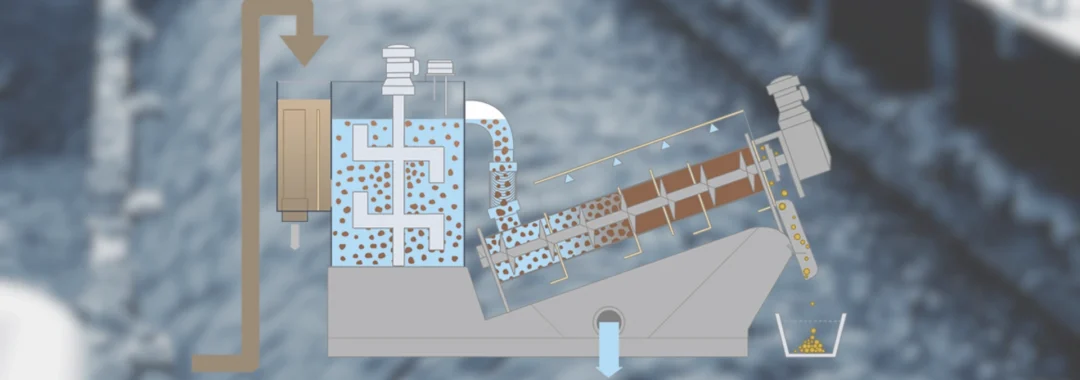
  • Screw Presses: Low-speed screw presses provide energy-efficient dewatering for biological and fibrous sludges.

Following mechanical dewatering, thermal dryers remove bound water to further reduce total volume. According to technical resources from the Water Environment Federation (WEF), thermal drying significantly reduces final cake weight, drastically lowering downstream transport costs.
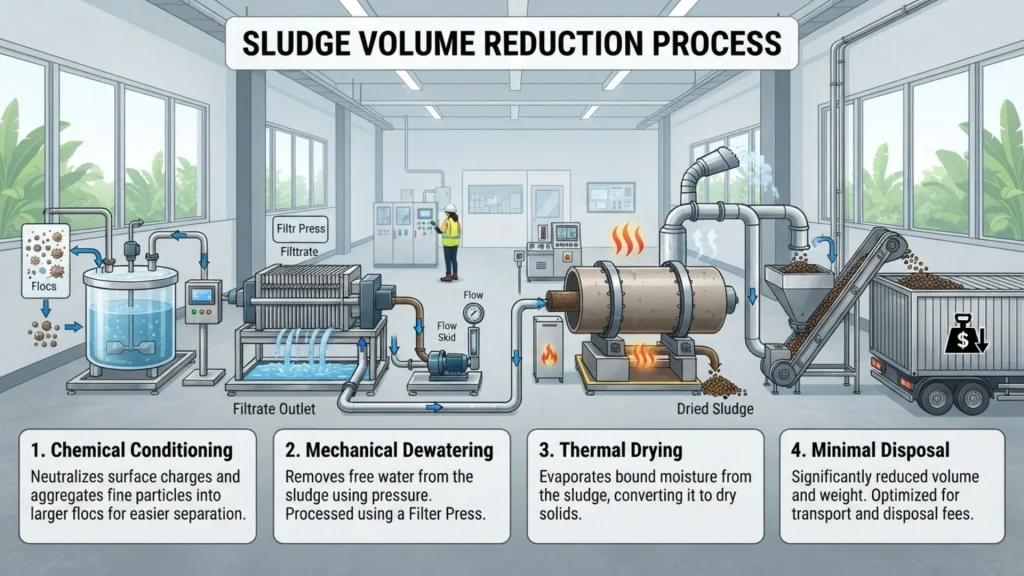
An industrial diagram outlining a 4-step sludge volume reduction process consisting of chemical conditioning, mechanical dewatering via filter press, thermal drying, and minimal disposal into a truck.

Biological Treatment and Resource Recovery

Biological sludge reduction techniques, such as aerobic digestion and extended aeration, digest organic solids before dewatering. In addition, advanced systems enable resource recovery, transforming dried sludge into usable byproducts like soil conditioners or secondary fuel sources.

Partnering with PT. Gapura Liqua Solutions as Your Water Treatment Consultant

Selecting the right technologies requires deep technical insight into fluid dynamics, water chemistry, and site-specific operational constraints.

End-to-End System Auditing and Engineering

PT. Gapura Liqua Solutions acts as a total water solutions partner for industrial clients across Indonesia. GLS provides end-to-end engineering, procurement, and consulting services tailored to complex industrial utility demands. By conducting detailed facility audits, GLS engineers identify process bottlenecks and design customized dewatering systems that deliver maximum volume reduction.

Sustainable Operational Excellence

Beyond initial system design, GLS delivers long-term Operation and Maintenance (O&M) services. Through continuous monitoring and technical support, clients maintain consistent operational efficiency without distracting from their core business production goals. Explore real-world project milestones and technical insights on the official PT. Gapura Liqua Solutions LinkedIn page.

Conclusion

Managing wastewater residuals effectively requires a strategic approach rather than reactive fixes. Developing a robust sludge volume reduction plan ensures long-term operational resilience, reduces logistics overhead, and keeps facilities compliant with evolving environmental regulations. Partnering with an experienced consultant like PT. Gapura Liqua Solutions empowers industrial plants to optimize utility operations, lower lifetime costs, and achieve sustainable water management.

FAQ Section

Q1: What is a sludge volume reduction plan? A sludge volume reduction plan is a structured strategy using chemical, mechanical, and thermal techniques to remove water content from wastewater residuals, minimizing physical volume and disposal weight.

Q2: Why is sludge volume reduction important for industrial facilities? Reducing sludge volume lowers waste handling and transportation fees, ensures compliance with environmental discharge regulations, and improves overall plant efficiency.

Q3: How does PT. Gapura Liqua Solutions assist in sludge reduction? PT. Gapura Liqua Solutions provides complete consulting, engineering design, technology procurement, and long-term O&M services to optimize wastewater treatment systems for industrial clients.

Follow us on Social Media

Facebook Instagram LinkedIn
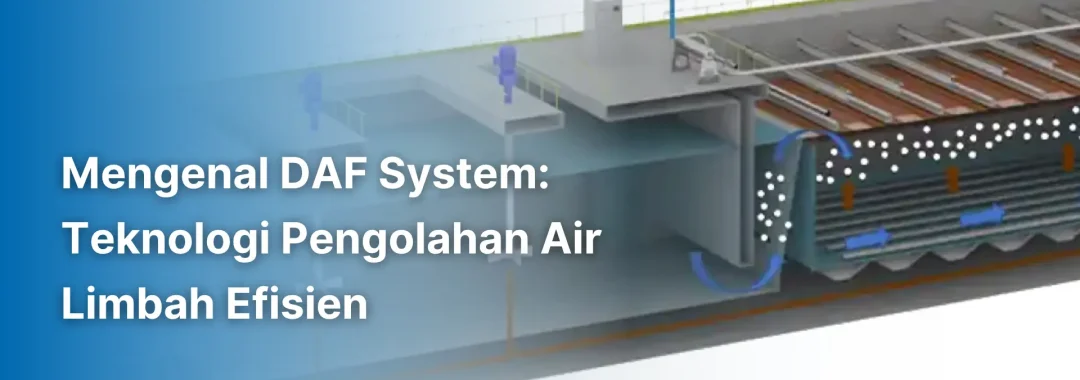
Diagram teknis DAF system untuk pengolahan air limbah industri yang efisien

DAF System: Teknologi Pengolahan Air Limbah Efisien

DAF System: Solusi Mutakhir untuk Pengolahan Air Limbah Industri

Dalam pengelolaan limbah modern, efisiensi operasional dan kepatuhan terhadap baku mutu lingkungan adalah prioritas utama. Salah satu teknologi yang paling banyak diandalkan untuk proses klarifikasi primer adalah daf system. Teknologi ini memungkinkan perusahaan untuk mengolah limbah cair dengan footprint yang lebih kecil namun hasil yang jauh lebih maksimal dibandingkan metode pengendapan tradisional.

Apa itu DAF System?

Dissolved Air Flotation adalah proses pengolahan air limbah yang berfungsi untuk menyisihkan zat padat tersuspensi (TSS), minyak, dan lemak (FOG). Berbeda dengan sistem sedimentasi konvensional yang mengandalkan gravitasi untuk mengendapkan kotoran ke dasar tangki, sistem ini justru menggunakan prinsip flotasi di mana polutan dipaksa mengapung ke permukaan air untuk dibuang. Untuk pemahaman teknis yang mendalam mengenai mekanismenya, Anda dapat membaca panduan lengkap mengenai cara kerja DAF system untuk air limbah di situs kami.

Komponen dan Cara Kerja DAF System

Efektivitas sebuah daf system sangat bergantung pada interaksi antara air, udara, dan bahan kimia yang presisi.

Tahap Pre-treatment: Koagulasi dan Flokulasi

Sebelum masuk ke unit utama, air limbah biasanya diberi bahan kimia berupa koagulan dan flokulan. Proses ini bertujuan untuk mengikat partikel-partikel kecil menjadi gumpalan yang lebih besar (flok). Penggunaan bahan kimia yang tepat sangat krusial, sama halnya dengan penentuan dosis kimia dalam sistem RO untuk mencegah kerusakan jangka panjang pada sistem filtrasi Anda.

Saturasi Udara dan Pembentukan Gelembung Mikro

Di dalam daf system, sebagian air hasil olahan (effluent) dialirkan kembali (recycle stream) melalui pompa tekanan tinggi menuju tangki saturasi. Di sinilah udara disuntikkan ke dalam air di bawah tekanan tinggi (4-6 bar). Saat air jenuh udara ini dilepaskan ke dalam tangki flotasi utama pada tekanan atmosfer, udara keluar dari larutan dalam bentuk jutaan gelembung mikro (microbubbles) berukuran 10-100 mikron. Gelembung-gelembung ini kemudian menempel pada flok kotoran.

Proses Pemisahan dan Skimming

Partikel yang telah ditempeli gelembung udara akan menjadi lebih ringan dari air, sehingga terdorong naik ke permukaan tangki dengan sangat cepat. Kecepatan ini jauh melampaui weir loading rate pada clarifier konvensional. Di bagian atas daf unit, terdapat mekanisme skimmer otomatis yang akan menyapu lapisan lumpur (sludge) tersebut. Jika Anda menggunakan sistem membran setelah tahap ini, pastikan Anda juga memperhatikan risiko fouling pada sistem membran RO akibat sisa minyak yang mungkin masih terbawa.

Mengapa DAF System Lebih Unggul dari Clarifier Konvensional?

Mengapa industri modern lebih memilih daf system? Pertama, sistem ini sangat efektif untuk polutan yang sulit mengendap secara alami, seperti lemak, minyak, dan serat ringan. Kedua, proses flotasi berlangsung jauh lebih cepat, sehingga ukuran tangki yang dibutuhkan hingga 5 kali lebih kecil dibandingkan tangki sedimentasi. Ketiga, kualitas air hasil olahan sangat stabil bahkan saat terjadi lonjakan debit air limbah secara tiba-tiba.

Aplikasi DAF System di Berbagai Sektor Industri

Fleksibilitas teknologi ini membuatnya menjadi standar emas di berbagai bidang, mulai dari pengolahan limbah pabrik tekstil, industri pengolahan makanan (seperti pemotongan hewan dan susu), hingga kilang minyak bumi. DAF mampu menurunkan kadar BOD dan COD secara signifikan sebelum air masuk ke tahap pengolahan biologis lanjutan.

Kesimpulan

Penerapan daf system adalah langkah investasi strategis bagi perusahaan yang ingin mengoptimalkan sistem pengolahan air limbahnya. Dengan efisiensi yang tinggi dan penggunaan ruang yang minimal, teknologi ini menjamin operasional pabrik yang lebih bersih dan ramah lingkungan. Jika Anda ingin berkonsultasi mengenai implementasi sistem ini di fasilitas Anda, silakan hubungi tim ahli kami sekarang juga.

Follow us on Social Media to learn more about daf system

Facebook daf system Instagram daf system
Diagram of sludge dewatering unit design showing solid-liquid separation process in wastewater treatment.

Sludge Dewatering Unit Design

Sludge Dewatering Unit Design vs. Traditional Disposal Methods

Introduction

Sludge dewatering unit design is transforming how industries handle wastewater. Traditional disposal methods like drying beds, lagoons, and landfilling often cause inefficiencies and higher costs. With increasing environmental regulations, modern sludge dewatering systems present a sustainable and cost-effective solution. This article compares advanced dewatering units with conventional sludge treatment methods, focusing on cost, performance, and sustainability.


What Is Sludge Dewatering Unit Design in Wastewater Treatment?

Sludge treatment design reduces water content in sludge, lowering disposal costs and environmental impact.

Key Features of Modern Sludge Dewatering Systems

  • Capacity & Throughput: Handles continuous sludge flows efficiently.
  • Automation & Controls: Reduces manual labor through smart systems.
  • Polymer Dosing Optimization: Improves sludge cake dryness.
  • Energy-Efficient Motors: Cuts operational power use.

👉 Many plants enhance separation with industrial decant tank applications for better wastewater sludge management.


Traditional Sludge Disposal Methods in Comparison

Traditional methods were once common, but they now struggle with compliance and efficiency.

Drying Beds for Sludge Treatment

Simple and low-cost but land-intensive and weather-dependent.

Sludge Lagoons as Disposal Units

Cheap upfront but cause odor, contamination risks, and high land use.

Landfilling Wastewater Sludge

Convenient but expensive due to hauling fees, landfill restrictions, and tipping costs.


Cost Benefits of Sludge Dewatering Systems vs. Traditional Disposal

Disposal Savings with Dewatering Equipment

Sludge dewatering reduces volume by up to 80%, cutting landfill and hauling expenses.

Labor and Maintenance Comparison

  • Traditional disposal methods: labor-heavy and inefficient.
  • Dewatering equipment: automated, consistent, and requires less manpower.

ROI from Sludge Treatment Design

Modern sludge management technology often pays back within 2–3 years, as seen in the GLS desalination project.


Performance of Sludge Dewatering Systems vs. Traditional Methods

Sludge Cake Quality

  • Dewatering units: 20–35% dry solids.
  • Traditional lagoons/beds: only 5–10% dry solids.

Disposal Efficiency in Sludge Management

Advanced wastewater sludge dewatering designs guarantee consistent output. Learn more via Hiller sludge dewatering resource.


Environmental and Regulatory Impact of Sludge Dewatering Design

Sustainability Benefits of Dewatering Systems

  • Less transport emissions.
  • Smaller footprint vs. traditional sludge disposal.
  • Better alignment with strict wastewater treatment regulations.

Challenges of Traditional Sludge Methods

Lagoons and drying beds often fail compliance, cause leachate issues, and occupy large land areas.


Case Study: Sludge Dewatering in Food & Packaging Wastewater

A packaging facility replaced lagoons with sludge dewatering equipment and achieved:

  • 50% disposal cost reduction.
  • Higher sludge cake quality.
  • Lower hauling frequency, reducing COâ‚‚ emissions.

Future Trends in Sludge Dewatering and Treatment Design

Smart Monitoring and Automation

Sensors optimize polymer dosing and monitor cake dryness.

Compact Modular Sludge Management Units

Ideal for industries with space constraints.

Energy Recovery and Sustainability

Dewatered sludge can be repurposed for biogas production.

Stay updated with trends on Instagram, Facebook, and LinkedIn.


FAQ on Sludge Dewatering vs. Traditional Disposal

1. Why is sludge dewatering more efficient than traditional disposal methods?
It reduces sludge volume and weight, cutting disposal costs.

2. What sludge cake quality can be expected?
20–35% solids with dewatering vs. only 5–10% using lagoons.

3. Is dewatering suitable for small industries?
Yes, modular sludge management units are available.

4. How fast is ROI on sludge dewatering systems?
Typically 2–3 years.

5. Can sludge dewatering fully replace traditional disposal?
Yes, in most industries, though hybrid systems may be optimal.


Conclusion

The evidence is clear: sludge dewatering unit design delivers cost savings, improved sludge cake quality, and sustainability advantages over traditional disposal methods. For industries aiming to reduce sludge treatment cost and meet regulatory standards, modern dewatering systems provide a reliable and future-ready solution.

👉 Learn more on our sludge dewatering unit product page and explore advanced chemical solutions like best RO membrane antiscalant to protect your system.

Follow us on Social Media

Facebook Instagram LinkedIn