Strategi Optimasi Utility Cost: Mengubah Biaya Air Menjadi Profit
Dalam manajemen fasilitas industri dan perhotelan di Indonesia, biaya utilitas sering kali dipandang sebagai angka mati di dalam neraca keuangan. Namun, bagi pengambil keputusan yang visioner, air seharusnya tidak lagi diperlakukan sebagai tagihan bulanan yang pasif. Sebaliknya, air adalah pengeluaran operasional (OPEX) yang sangat bisa dikendalikan. Melalui strategi optimasi utility cost yang tepat, perusahaan dapat mengidentifikasi inefisiensi tersembunyi yang selama ini menggerus profitabilitas.
Banyak fasilitas masih mengandalkan sistem filtrasi pasir tradisional yang sebenarnya merupakan “ember bocor” bagi keuangan perusahaan. Sistem lama ini tidak hanya memboroskan air melalui siklus backwash yang sering, tetapi juga merusak peralatan hilir yang mahal.
Biaya Air: Pengeluaran Tetap atau OPEX yang Bisa Dikendalikan?
Langkah awal dalam strategi optimasi utility cost adalah menyadari bahwa kualitas air yang buruk meningkatkan beban kerja mesin lain. Ketika sistem filtrasi utama gagal menyaring kontaminan secara optimal, peralatan seperti boiler, chiller, dan unit desalinasi harus bekerja lebih keras.
Masalah Tersembunyi pada Filtrasi Pasir Tradisional
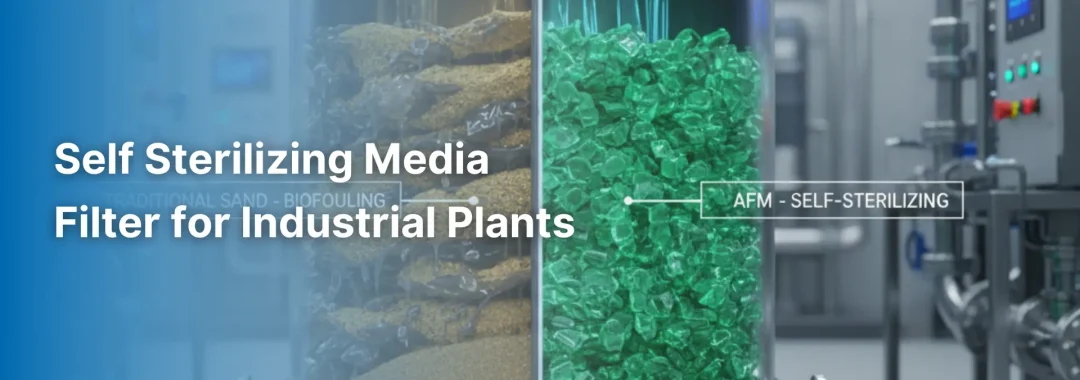
Pasir silika murni memiliki kelemahan biologis yang serius. Bakteri dapat tumbuh di permukaan pasir dan membentuk biofilm yang menyebabkan channeling. Fenomena ini memaksa sistem untuk melakukan backwash lebih sering, yang berarti membuang air bersih dan energi secara percuma. Selain itu, partikel halus yang lolos dari filter pasir akan mempercepat pembentukan kerak pada Reverse Osmosis Membrane, yang berujung pada biaya penggantian aset yang sangat tinggi.
Implementasi Strategi Optimasi Utility Cost Melalui Teknologi Modern
Solusi nyata untuk menekan biaya utilitas terletak pada transisi ke Arsitektur Keberlanjutan Tingkat Lanjut. Teknologi ini menggabungkan media filtrasi berkinerja tinggi dengan sistem pemurnian air yang cerdas.
Mengganti Pasir Silika dengan AFM untuk Efisiensi Maksimal
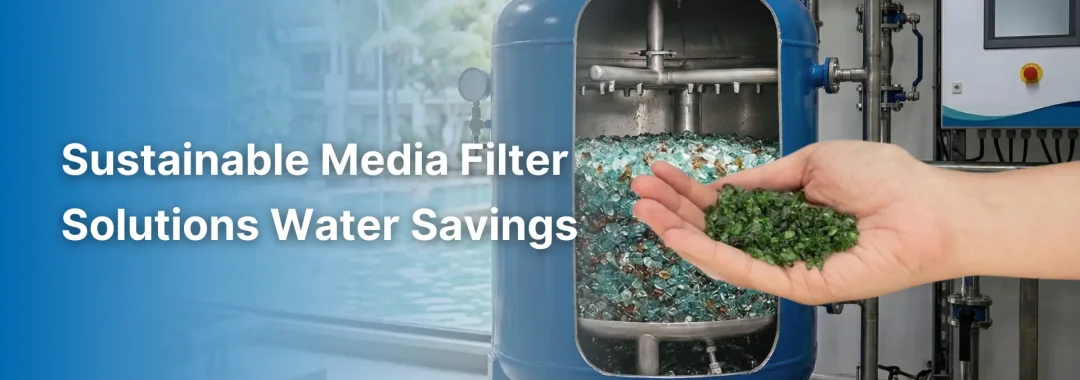
Salah satu strategi optimasi utility cost yang paling efektif adalah mengganti pasir silika dengan Activated Filter Media (AFM). AFM terbuat dari kaca daur ulang yang telah diaktivasi secara kimia untuk mencegah pertumbuhan bakteri. Hasilnya, kebutuhan air untuk backwash dapat berkurang hingga 50%, dan konsumsi bahan kimia pembersih turun sekitar 30%. Penghematan ini secara langsung akan memperbaiki struktur biaya operasional fasilitas Anda.
Peran Membran RO dalam Menekan Biaya Jangka Panjang
Setelah tahap filtrasi awal yang bersih, penggunaan sistem Reverse Osmosis (RO) menjadi jauh lebih efisien. Dengan air umpan yang berkualitas, keunggulan sistem air RO akan terlihat pada rendahnya biaya energi dan jarangnya frekuensi pembersihan membran. Oleh karena itu, memastikan BWRO membrane performance tetap stabil adalah kunci untuk menjaga ketersediaan air tanpa gangguan operasional.
Menghitung ROI dari Investasi Arsitektur Air Berkelanjutan
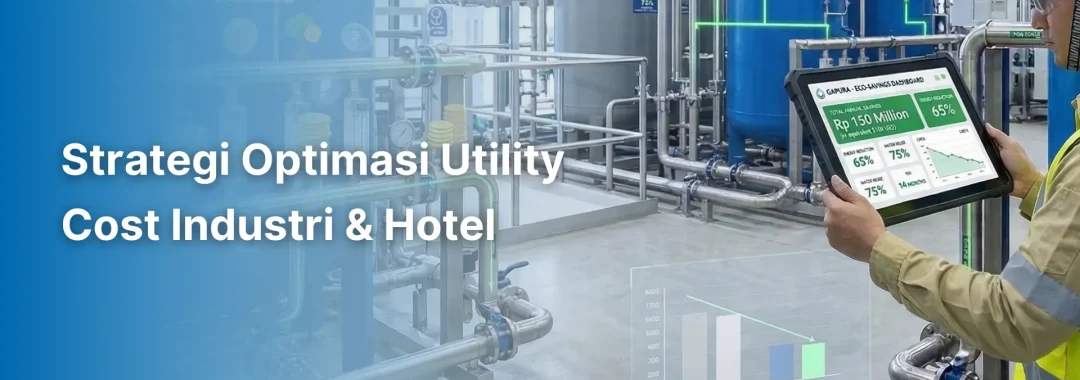
Banyak manajer fasilitas khawatir mengenai biaya awal pembaruan sistem. Namun, investasi pada teknologi filtrasi canggih bukanlah sekadar biaya, melainkan aset yang menghasilkan yield tinggi. Secara rata-rata, transisi ke sistem filtrasi AFM dan RO yang dioptimalkan memberikan Return on Investment (ROI) dalam waktu 18 hingga 24 bulan. Penghematan dari pengurangan limbah air, efisiensi energi, dan perlindungan aset mesin (Boiler dan Chiller) jauh melampaui biaya modal awal.
Kemitraan Strategis dengan PT. Gapura Liqua Solutions
Menangani kompleksitas air industri membutuhkan mitra yang memiliki keahlian teknis mendalam. PT. Gapura Liqua Solutions (GLS) hadir sebagai penyedia solusi end-to-end yang memungkinkan klien berfokus pada bisnis inti mereka. Kami tidak hanya menyediakan alat, tetapi juga membantu merancang strategi optimasi utility cost yang disesuaikan dengan kebutuhan spesifik fasilitas Anda di Indonesia.
Dedikasi kami dalam mengelola utilitas air telah terbukti melalui berbagai proyek skala besar, mulai dari sektor perhotelan hingga industri berat. Anda dapat melihat rekam jejak keberhasilan kami melalui update proyek di LinkedIn. Untuk kebutuhan suku cadang dan media filtrasi cepat, kami juga menyediakan layanan melalui toko resmi Tokopedia.
Kesimpulan: Memastikan Keandalan Operasional dan Efisiensi Finansial
Sebagai penutup, efisiensi utilitas adalah fondasi dari daya saing bisnis di era modern. Dengan menerapkan strategi optimasi utility cost yang berfokus pada teknologi berkelanjutan seperti desalinasi air laut dan pemulihan sumber daya, perusahaan Anda tidak hanya berkontribusi pada lingkungan, tetapi juga memperkuat fundamental keuangan. PT. Gapura Liqua Solutions siap menjadi mitra ahli Anda dalam mewujudkan keandalan operasional jangka panjang. Hubungi PT. Gapura Liqua Solutions hari ini untuk konsultasi dan audit sistem utilitas air Anda.
FAQ
Q: Apakah mengganti pasir silika dengan AFM memerlukan perubahan desain tangki? A: Tidak perlu. AFM didesain untuk menggantikan pasir silika secara langsung (drop-in replacement) pada tangki filtrasi yang sudah ada tanpa perlu modifikasi besar pada infrastruktur perpipaan.
Q: Bagaimana strategi optimasi utility cost berdampak pada umur mesin chiller? A: Dengan filtrasi yang lebih baik, air yang masuk ke sistem pendingin memiliki beban organik dan mineral yang jauh lebih rendah. Hal ini mencegah korosi dan penumpukan kerak pada kondensor, sehingga mesin beroperasi lebih efisien dan awet.
Q: Apa bedanya AFM dibandingkan dengan media filter kaca biasa? A: AFM adalah media teraktivasi yang memiliki muatan negatif untuk menarik partikel halus dan bersifat bio-resisten. Kaca daur ulang biasa tanpa aktivasi tidak memiliki kemampuan untuk mencegah biofilm, sehingga kinerjanya mirip dengan pasir silika biasa.
Follow us on Social Media