An industrial technician inspecting a high-efficiency chiller unit protected by sustainable HVAC scale prevention water treatment.

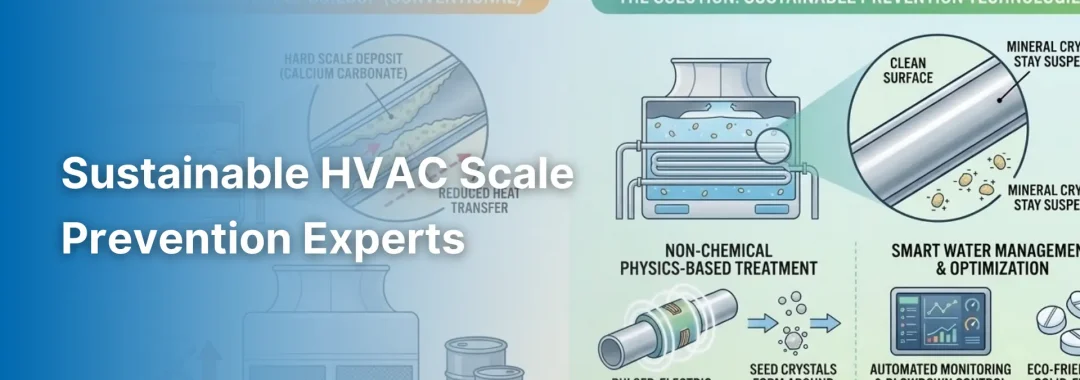
Sustainable HVAC Scale Prevention Experts

Sustainable HVAC Scale Prevention: The Key to Cooling Efficiency and Asset ROI

In the intensive cooling environments of Indonesia’s luxury hospitality and industrial sectors, facility managers often view water as an unavoidable utility bill. However, treating water as a passive expense is a strategic mistake. Water quality dictates the performance of your entire air conditioning network, acting either as a seamless heat-exchange medium or as a destructive force. Implementing sustainable HVAC scale prevention is the most effective way to transform this “hidden cost” into a controllable operational expense (OPEX). By addressing water purity at the source, facilities can protect their most expensive assets while achieving significant energy savings.

Traditional water management is often a “leaking bucket” for profits. Specifically, inefficient filtration and untreated mineral loads waste water, consume excessive chemicals, and slowly destroy downstream equipment such as chillers and cooling towers.

The Hidden Cost of Water: Why Poor Quality Destroys HVAC Performance

Scale is an invisible thief of energy. In cooling towers and chillers, minerals such as calcium carbonate and silica precipitate out of the water, forming a rock-hard layer on heat-exchange surfaces. Consequently, this layer acts as a thermal insulator, forcing the HVAC system to consume significantly more electricity to achieve the same cooling effect.

Scaling as an Insulator: The “Leaking Bucket” of Energy Waste

Even a thin layer of scale can reduce heat transfer efficiency by over 10%. For a large-scale resort or manufacturing plant, this inefficiency results in thousands of dollars of wasted energy every month. Furthermore, mineral deposits harbor bacteria and accelerate localized corrosion, leading to premature equipment failure. Therefore, relying on standard treatment methods often proves insufficient for modern luxury hospitality standards, where 100% uptime is expected.

Implementing Sustainable HVAC Scale Prevention Strategies

To stop “washing money away,” facilities must transition toward an advanced sustainability architecture. This involves moving beyond basic sand filtration toward high-performance, bioactive systems.

Transitioning from Traditional Sand to Activated Filter Media (AFM)

Most facilities rely on mined silica sand, which is prone to bio-fouling and “channeling.” In contrast, a modern approach involves using AFM S vs NG Media. This upcycled glass media is bio-resistant, preventing the bacterial growth that leads to uneven water flow and scale precursors bypassing the filter. By using AFM, hotels can cut backwash water waste by 50% while providing the ultra-clean water necessary for sustainable HVAC scale prevention.

High-Recovery RO for Superior Heat Exchange Protection

Following primary filtration, high-purity Reverse Osmosis (RO) water provides the ultimate defense against scale. By removing up to 99% of dissolved solids, RO water ensures that heat-exchange surfaces remain pristine. To achieve this, selecting a high-quality Reverse Osmosis Membrane is essential. Moreover, maintaining optimal BWRO membrane performance ensures that the system provides high-quality permeate with minimal energy consumption. Understanding the keunggulan sistem air RO is the first step for any facility manager looking to eliminate scaling emergency calls.

The Economic Logic: Calculating ROI and Facility OPEX Reduction

Transitioning to advanced water systems is not just an environmental choice; it is a high-yield investment. A well-engineered water loop typically delivers a clear ROI within 18 to 24 months. These savings are realized through reduced electricity bills, lower chemical consumption, and the extended lifespan of chillers and boilers. By focusing on sustainable HVAC scale prevention, procurement heads can shift budgets from “emergency repairs” to “preventative optimization,” significantly strengthening the company’s bottom line.

Partnering with PT. Gapura Liqua Solutions for Operational Continuity

Managing complex utility networks requires a partner who understands the total water cycle. PT. Gapura Liqua Solutions (GLS) provides end-to-end engineering, procurement, and long-term operations. We integrate seawater desalination and resource recovery into a seamless loop, ensuring your facility remains compliant and efficient. Our commitment to excellence is showcased in our latest project updates on LinkedIn, where we demonstrate utility savings for Indonesia’s premier properties.

For immediate maintenance needs, we provide professional-grade components through our official Tokopedia store. Additionally, we offer a Management Service Agreement to ensure your systems are maintained by experts, guaranteeing operational continuity.

Conclusion: Securing Long-Term Reliability and Resource Recovery

Ultimately, the performance of your cooling network is only as good as the water within it. By adopting sustainable HVAC scale prevention, you protect your physical assets, reduce utility waste, and ensure the long-term reliability of your facility. PT. Gapura Liqua Solutions remains the ideal partner for the Indonesian industrial and hospitality sectors, explicitly linking seawater desalination, resource recovery, and expert operations to your business success.

Stop letting scale drain your profits. Contact PT. Gapura Liqua Solutions today to audit your cooling network and implement a high-efficiency water strategy.

FAQ

Q: Can sustainable HVAC scale prevention really lower my electricity bill? A: Absolutely. By preventing scale buildup on heat-exchange surfaces, the chillers can operate at peak efficiency. Even a 1mm layer of scale can increase energy consumption by 10% or more.

Q: Why is AFM better than sand for HVAC pre-filtration? A: Specifically, Activated Filter Media (AFM) is bio-resistant and prevents the formation of biofilm. This eliminates “channeling” and ensures that minerals and organics are captured before they enter the cooling loop, providing superior sustainable HVAC scale prevention.

Q: How often should we audit our cooling tower water quality? A: For optimal performance, water quality should be monitored continuously with automated sensors. However, a comprehensive laboratory audit should be performed at least quarterly to adjust chemical dosing and filtration settings.

Q: Does GLS provide operational support for existing HVAC systems? A: Yes. PT. Gapura Liqua Solutions offers Management Service Agreements to optimize both new and existing water treatment infrastructure, ensuring long-term reliability.

Follow us on Social Media

Facebook Instagram LinkedIn
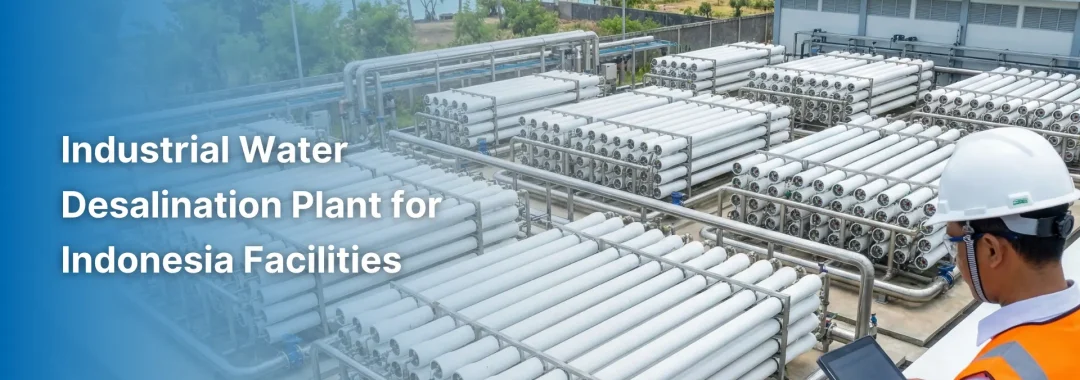
Engineer monitoring an industrial water desalination plant system at a coastal facility in Indonesia.

Industrial Water Desalination Plant for Indonesia Facilities

Industrial Water Desalination Plant: Securing Business Continuity in Indonesia

For Facilities Managers and Heads of Procurement in Indonesia, water is not merely a utility; it is the lifeblood of production. As industrial zones expand and climate patterns shift, relying solely on groundwater or municipal supplies is increasingly risky. Implementing a robust industrial water desalination plant is no longer just an option—it is a strategic necessity for safeguarding operational continuity.

This article examines how modern desalination systems solve critical supply issues and why selecting the right engineering partner is paramount for long-term success.

The Strategic Necessity of Desalination for Facilities

Indonesia’s vast coastline offers abundant seawater resources, yet many industries still struggle with clean water availability. An industrial water desalination plant converts this inexhaustible resource into high-purity process water, insulating your business from drought, regulatory restrictions on groundwater extraction, and municipal supply interruptions.

Mitigating Risks of Unreliable Water Supply

Inconsistent water quality can wreak havoc on expensive machinery. High salinity and contaminants lead to rapid corrosion, scaling, and frequent downtime. By deploying a dedicated industrial water desalination plant, facilities gain control over their water quality parameters. This autonomy prevents unexpected production halts and protects capital assets from premature degradation, directly impacting the bottom line.

Technical Components of an Efficient Industrial Water Desalination Plant

Modern desalination is far more than just filtration; it is a sophisticated integration of hydraulics and chemistry. To ensure commercial viability, the system must balance output quality with energy efficiency.

Advanced Membrane Technology and Pre-treatment

The heart of any Seawater Reverse Osmosis (SWRO) system is the membrane. However, the lifespan of these membranes depends heavily on pre-treatment. Effective removal of suspended solids prevents fouling, which is a common cause of efficiency loss.

At PT. Gapura Liqua Solutions (GLS), we utilize high-performance Reverse Osmosis Membrane technology designed to withstand high pressure and challenging feed water conditions. Understanding BWRO membrane performance is also critical for facilities dealing with brackish sources, ensuring that the specific rejection rates meet industrial standards.

Energy Efficiency and Resource Recovery

Historically, desalination was viewed as energy-intensive. Today, technologies such as Energy Recovery Devices (ERDs) have revolutionized the economics of the industrial water desalination plant. Furthermore, forward-thinking companies are now looking beyond water. Through resource recovery, brine (waste stream) can be processed to extract valuable minerals, turning waste into value.

You can learn more about the specific advantages of RO water systems and how they contribute to a circular economy in our technical insights.

Why Procurement Leaders Partner with Gapura Liqua Solutions

Selecting a vendor for an industrial water desalination plant involves evaluating technical capability, local support, and long-term reliability. PT. Gapura Liqua Solutions stands out as a premier partner for Indonesian industries.

We provide end-to-end solutions, from Engineering and Procurement to Construction and long-term Operations (EPC + O&M). Our “Total Water Solutions” approach means you can focus on your core business while we manage water availability and compliance.

  • Local Expertise: We understand the unique water chemistry of the Indonesian archipelago.
  • Supply Chain Security: We ensure the availability of critical consumables and spare parts, also accessible via our Tokopedia official store for ease of procurement.
  • Proven Track Record: Our projects demonstrate high reliability in challenging environments.

For a glimpse into our recent project activities and industry updates, you can view our latest LinkedIn Activity.

Conclusion

Investing in an industrial water desalination plant is a decisive move toward operational resilience. It mitigates the risks of water scarcity and ensures that your facility meets global standards for sustainability and efficiency. However, the technology is only as good as the partner who installs and maintains it.

PT. Gapura Liqua Solutions combines technical excellence with local understanding to deliver systems that last. We invite you to discuss your specific water requirements with our engineering team.

Are you ready to secure your facility’s water future? Contact Us for a Consultation

FAQ Section

Q: What is the typical lifespan of an industrial water desalination plant? A: With proper maintenance and high-quality components, a plant can operate efficiently for over 20 years. The membranes typically require replacement every 3 to 5 years depending on the feed water quality and pre-treatment efficacy.

Q: How does GLS handle the high energy consumption associated with desalination? A: We design our systems using advanced Energy Recovery Devices (ERDs) and high-efficiency pumps. This significantly reduces the energy footprint, making the operational costs competitive with traditional water sourcing methods.

Q: Can the plant handle variable feed water quality, such as seasonal changes in seawater? A: Yes. Our engineering team designs the pre-treatment and SWRO systems with flexibility in mind. We analyze seasonal data to ensure the system remains stable regardless of fluctuations in turbidity or salinity.

Q: Does GLS provide support after the installation is complete? A: Absolutely. We offer comprehensive Operation & Maintenance (O&M) contracts. Our team manages routine monitoring, chemical cleaning (CIP), and spare parts supply to ensure zero unplanned downtime.

Follow us on Social Media

Facebook Instagram LinkedIn
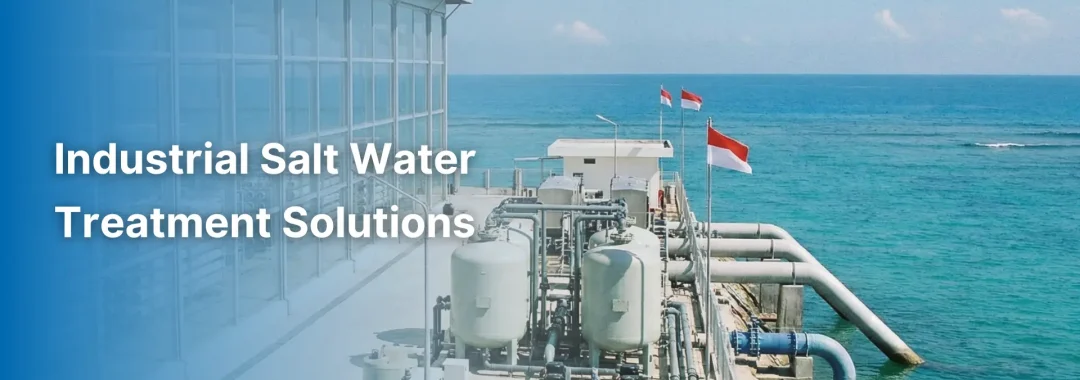
A large-scale industrial salt water treatment plant utilizing reverse osmosis pressure vessels under a clear sky in Indonesia

Industrial Salt Water Treatment Reliable Productions

Industrial Salt Water Treatment: Securing Operations Against Scarcity

For facility managers and procurement heads across Indonesia, securing a reliable, high-quality water supply is becoming increasingly complex. As freshwater sources become scarcer or contaminated due to seawater intrusion, industries are forced to look towards alternative sources: seawater and brackish groundwater. Consequently, implementing effective industrial salt water treatment is no longer an option; it is a strategic necessity for business continuity.

PT. Gapura Liqua Solutions (GLS) understands that your core business is not managing water treatment plants. However, without a reliable supply of process water, core operations grind to a halt. This article outlines the critical importance of professional desalination strategies.

The High Cost of Ignoring Salinity in Industrial Water

Utilizing water with high Total Dissolved Solids (TDS) without adequate treatment is a recipe for disaster. While the immediate availability of brackish or seawater might seem like a solution, the hidden costs are substantial.

Impact on Assets and Operational Continuity

Untreated saline water wreaks havoc on industrial infrastructure. Specifically, chlorides present in salt water are highly corrosive to metals, leading to rapid deterioration of piping, boilers, and cooling towers. Furthermore, high mineral content causes scaling, which reduces heat transfer efficiency and increases energy consumption.

Ultimately, these issues lead to unplanned downtime and expensive equipment replacement. Therefore, investing in a robust industrial salt water treatment system is essentially an insurance policy for your entire production facility.

Industrial Salt Water Treatment as a Strategic Solution

Modern desalination technology allows industries to convert virtually any saline source into high-purity process water. The most prevalent and energy-efficient method today is Reverse Osmosis (RO).

Depending on the source water salinity, systems are categorized as Seawater Reverse Osmosis (SWRO) or Brackish Water Reverse Osmosis (BWRO). To understand the benefits better, you can read about the general advantages of RO water systems.

The Role of Advanced Membrane Technology

At the heart of any RO system are the membranes. These semi-permeable barriers separate salts from water molecules under high pressure. The selection of the right Reverse Osmosis Membrane is critical and depends heavily on the specific feed water chemistry.

For facilities dealing with brackish groundwater, understanding factors affecting BWRO membrane performance is essential for optimizing lifespan and energy usage. Utilizing the correct technology turns a problematic water source into a secure, long-term asset.

Why Engineering Expertise Defines Long-Term Success

Buying equipment is easy; ensuring it runs efficiently for twenty years is difficult. Many industrial desalination projects fail not because of the technology, but due to poor system design or inadequate maintenance.

An effective industrial salt water treatment plant requires precise engineering, proper pre-treatment protocols, and energy recovery devices to keep operational expenditures (OPEX) manageable. According to the International Desalination Association, energy consumption remains a key factor in plant viability, emphasizing the need for efficient design.

Beyond Installation: The Importance of O&M

Successful water management requires a long-term view. GLS provides end-to-end systems, meaning we don’t just supply hardware; we ensure operational continuity. This includes long-term Operations & Maintenance (O&M) support, ensuring compliance with environmental regulations, and managing consumables.

Real-world application of this expertise is crucial. You can see examples of our ongoing commitment to operational excellence in our recent project updates on LinkedIn.

Conclusion

Facing water scarcity requires proactive measures. By adopting advanced industrial salt water treatment, Indonesian industries can secure their water future against operational risks. However, the technology is only as good as the partner behind it.

GLS offers the expertise to deliver reliable, end-to-end desalination solutions, allowing you to focus entirely on your core business. For convenience, you can even find essential components through our official Tokopedia store.

Do not compromise on water security. Contact PT. Gapura Liqua Solutions today to discuss your specific water challenges.

FAQ Section

Q: What is the difference between SWRO and BWRO in industrial treatment?

A: SWRO (Seawater Reverse Osmosis) treats water with very high salinity (typically >30,000 ppm TDS), requiring higher pressures and energy. BWRO (Brackish Water Reverse Osmosis) treats water that is saltier than fresh water but less salty than seawater (typically 1,000–10,000 ppm TDS), often found in coastal groundwater.

Q: How does GLS ensure the long-term reliability of a salt water treatment plant?

A: We go beyond just supplying equipment. We provide comprehensive engineering, proper pre-treatment design to protect membranes, and offer long-term Operations & Maintenance (O&M) contracts to ensure continuous, optimal performance.

Q: Is industrial salt water treatment cost-effective for my facility?

A: While the initial investment can be significant, the cost of not having reliable water—through downtime, corroded assets, or buying expensive trucked water—is often much higher. Modern energy recovery devices have also significantly reduced the OPEX of desalination.

Q: Can GLS handle high-volume water requirements for large industries?

A: Yes. GLS specializes in end-to-end industrial-scale solutions, designing systems tailored to the specific volume and quality requirements of large manufacturing and processing facilities.


    Follow us on Social Media  

                       
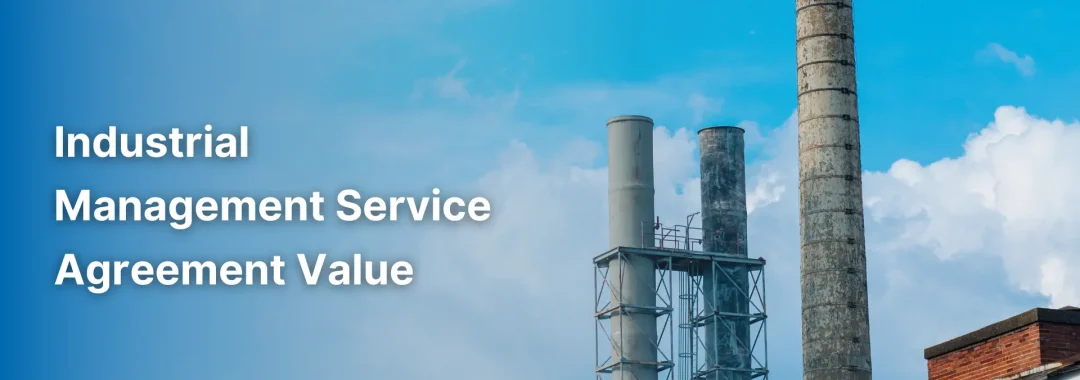
Large industrial manufacturing plant with smoke stacks, illustrating the operational scale that benefits from an Industrial Management Service Agreement by Gapura Liqua Solutions.

Industrial Management Service Agreement Value

Industrial Management Service Agreement: Securing Your Water Operations

For facility managers and procurement heads in Indonesia, the stability of utilities is non-negotiable. However, managing a complex Seawater Reverse Osmosis (SWRO) plant or a wastewater treatment facility in-house often becomes a distraction from core business activities. This is where an Industrial Management Service Agreement becomes a critical strategic asset.

Rather than struggling with fluctuating maintenance costs and technical staffing issues, forward-thinking companies are leveraging MSAs to ensure reliability. An Industrial Management Service Agreement is not just a contract; it is a partnership that guarantees water availability while optimizing operational expenses.

Understanding the Industrial Management Service Agreement

An Industrial Management Service Agreement (MSA) defines a long-term relationship between a facility owner and a specialized service provider. In the context of water treatment, this agreement transfers the responsibility for day-to-day operations, maintenance, and performance monitoring to experts.

Unlike simple ad-hoc repair services, an MSA focuses on comprehensive asset management. It encompasses everything from routine monitoring to complex troubleshooting, ensuring that the water treatment plant operates at peak efficiency. By adopting an Industrial Management Service Agreement, companies effectively shift the burden of operational risk to a partner equipped to handle it.

Why Implement an Industrial Management Service Agreement?

The decision to outsource operations through an MSA is often driven by the need for financial stability and risk mitigation.

Transforming Variable Costs into Fixed Costs

One of the most significant advantages of an Industrial Management Service Agreement is financial predictability. In-house management often faces unexpected spikes in costs due to emergency repairs, sudden spare part requirements, or inefficient chemical usage.

An MSA typically structures these costs into a fixed monthly fee. This allows procurement departments to forecast budgets accurately, eliminating unpleasant surprises at the end of the fiscal year. Furthermore, professional management often reduces energy and chemical consumption, lowering the overall Total Cost of Ownership (TCO).

Mitigating Technical and Compliance Risks

Water treatment standards in Indonesia are becoming increasingly stringent. Failure to meet effluent standards can result in severe penalties, including a downgrade in PROPER ratings. An Industrial Management Service Agreement includes strict Service Level Agreements (SLAs) regarding water quality.

This means the service provider is contractually obligated to deliver water that meets specific parameters. Consequently, the risk of non-compliance is shifted from the facility owner to the specialist partner, ensuring peace of mind regarding environmental regulations.

The Value of Specialized Expertise

Modern water treatment technologies, such as high-pressure SWRO and Ultrafiltration, require specialized knowledge. Maintaining a team of certified engineers in-house is both difficult and expensive.

Through an Industrial Management Service Agreement, your facility gains immediate access to a pool of experts. These professionals stay updated with the latest technologies, such as advanced Reverse Osmosis Membrane cleaning techniques and energy recovery optimization. This expertise ensures that your assets are not just running, but are being optimized to extend their lifespan.

Partnering with Gapura Liqua Solutions

PT. Gapura Liqua Solutions (GLS) understands that every facility has unique needs. We do not offer a one-size-fits-all solution. Instead, we tailor every Industrial Management Service Agreement to align with your specific operational goals and risk appetite.

From full comprehensive operations to supervision-only contracts, GLS provides the technical backbone your business needs. We manage the supply chain for critical consumables and spare parts, many of which are readily available through our official store on Tokopedia, ensuring minimal downtime.

Conclusion

In a competitive industrial landscape, operational reliability is the foundation of success. An Industrial Management Service Agreement offers the most effective path to securing your water supply, controlling costs, and managing risks.

Do not let water utility challenges hinder your production targets. Partner with a trusted expert who prioritizes your operational continuity. Contact PT. Gapura Liqua Solutions today to discuss how we can structure an MSA that drives value for your business.

FAQ

Q: What is the primary difference between a warranty and an MSA?

A: A warranty covers equipment defects for a limited time. In contrast, an Industrial Management Service Agreement covers the ongoing performance, labor, and maintenance of the entire system, ensuring it operates correctly throughout the contract duration.

Q: Can an MSA help with environmental compliance in Indonesia?

A: Yes. A robust MSA includes performance guarantees that align with Indonesian environmental regulations (such as PROPER). The service provider assumes the responsibility for maintaining effluent quality within legal limits.

Q: Does GLS provide spare parts under the MSA?

A: This depends on the specific contract structure. We offer comprehensive MSAs that include all spare parts and chemicals, as well as “labor-plus-supervision” models where parts are billed separately.

Q: Is an MSA suitable for older water treatment plants?

A: Absolutely. In fact, older plants often benefit most from an Industrial Management Service Agreement. Our experts can optimize aging assets, perform necessary retrofits, and extend the remaining useful life of the equipment.

Two engineers in safety gear reviewing a clipboard in front of a water treatment plant, symbolizing the reliability of an Industrial Management Service Agreement.

Secure your operations and transfer risk. An Industrial Management Service Agreement ensures your water systems are managed by experts, allowing you to focus on production.

Follow us on Social Media

Facebook Instagram LinkedIn