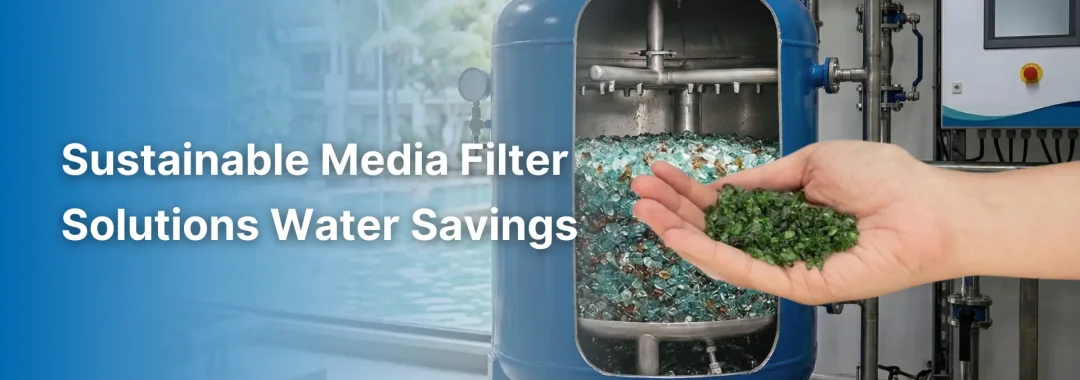
An industrial filter cross-section showcasing sustainable media filter solutions like AFM glass media used in luxury hotel water treatment.

Sustainable Media Filter Solutions Water Savings

Sustainable Media Filter Solutions: The Circular Water Loop for Luxury Hospitality

Most hotels are literally washing money down the drain during every backwash cycle. While silica sand has served as the industry standard for decades, it poses significant operational risks and hidden costs. For procurement heads and facility managers in Indonesia, the shift toward sustainable media filter solutions is no longer just an environmental preference; it is a financial necessity. Specifically, Activated Filter Media (AFM) technology allows resorts to transition toward a circular hospitality water loop. This transition simultaneously protects expensive utility assets and reduces the hotel’s environmental footprint.

Why Silica Sand Is Draining Your Resort’s Profits

Traditionally, hotels rely on mined silica sand for their filtration needs. However, sand filtration has a critical flaw: bio-fouling. Consequently, bacteria colonize the sand grains, secreting an alginate “glue” that binds particles together. This process leads to channeling, where water finds the path of least resistance without being filtered. Therefore, your system must backwash more frequently to maintain water quality. This frequency wastes thousands of liters of treated water and increases the chemical load required to keep pools and utilities sanitary.

The Hidden Operational Risks of Bio-Fouling and Channeling

Furthermore, bio-fouling in sand filters creates trichloramines—the chemical responsible for the unpleasant “pool smell” and skin irritation. In contrast, implementing sustainable media filter solutions prevents the initial colonization of bacteria. By using upcycled, activated glass media, hotels eliminate the biological breeding ground found in sand. Specifically, this prevents the formation of “mud balls” in the filter bed, ensuring that every drop of water passes through a bioactive, efficient barrier.

High-Performance Protection: How Sustainable Media Filter Solutions Guard Your Assets

A filter should do more than just clean water; it must act as a high-performance shield for your most expensive equipment. In a luxury hotel, the chillers, boilers, and reverse osmosis units represent massive capital investments. When filtration fails, these assets suffer.

Optimizing RO Membrane Lifespan and Chiller Efficiency

If your primary filtration allows fine particles or biological matter through, your Reverse Osmosis Membrane will foul prematurely. Consequently, you will face higher pressures and energy consumption. Moreover, ensuring optimal BWRO membrane performance requires consistent, high-purity feed water. By switching to sustainable media filter solutions, you provide a superior level of pre-filtration. This effectively prevents the scaling and organic fouling that lead to emergency repairs in boilers and chillers. Furthermore, understanding the keunggulan sistem air RO highlights how high-quality filtration acts as the foundation for energy-efficient utility management.

The Circular Hospitality Advantage: Saving Water and Chemicals

The financial impact of advanced filtration is immediate. Specifically, Activated Filter Media (AFM) requires up to 50% less water for backwashing compared to sand. Because the media is bio-resistant, it does not “stick” to contaminants as aggressively as sand does. Therefore, the backwash cycle is shorter and more effective. Additionally, hotels typically see a 30% reduction in chemical consumption. This is because the filter removes more organic precursors before they react with chlorine.

Achieving EarthCheck and Green Globe Certifications

For the modern hotel owner, ROI is not just about bills; it is about brand positioning. Many luxury travelers now prioritize properties with verified environmental credentials. Implementing sustainable media filter solutions contributes directly to points for EarthCheck or Green Globe certifications. By proving a reduction in water intensity and chemical usage, your facility secures a competitive edge in the global hospitality market.

Why Engineering Expertise Matters for Long-Term Reliability

Successful water management requires more than just high-quality media. It requires a partner who understands engineering, procurement, and long-term operations. PT. Gapura Liqua Solutions (GLS) provides end-to-end systems that allow clients to focus on their core business. We integrate seawater desalination and resource recovery into a seamless loop, ensuring that your facility never faces a water shortage or a compliance crisis. Our commitment to excellence is visible in our latest project updates on LinkedIn, where we showcase real-world water savings across Indonesia.

For hotels looking for immediate maintenance support, we offer high-performance filtration components through our official Tokopedia store. This ensures your facility manager has access to professional-grade tools for operational continuity.

Conclusion: Partnering for Operational Continuity with GLS

Ultimately, the choice of filter media determines the health of your entire water system. By adopting sustainable media filter solutions, you protect your physical assets, earn prestigious green certifications, and significantly reduce operational expenditure. PT. Gapura Liqua Solutions remains the ideal partner for the Indonesian hospitality sector, explicitly linking resource recovery with long-term reliability.

Ensure your hotel is not “washing money away” with outdated sand technology. Contact PT. Gapura Liqua Solutions today to audit your filtration system and implement a bioactive, circular water loop.

FAQ Section

Q: Can I replace my existing sand with a sustainable media filter without changing my tanks? A: Yes, in most cases. Sustainable media filter solutions like AFM are designed to fit into standard pressure vessels. You simply remove the sand and replace it with the upgraded media.

Q: How long does Activated Filter Media (AFM) last compared to sand? A: While sand usually needs replacing every 2-3 years due to bio-fouling and attrition, AFM is bio-resistant and much harder. Therefore, it can last for the entire lifespan of the filtration system without losing its efficiency.

Q: Does switching to AFM help with legionella prevention? A: Specifically, yes. Because sustainable media filters do not allow the formation of a biofilm, they significantly reduce the breeding ground for pathogens like Legionella in the filter bed.

Q: Is there an ROI for switching if our water costs are low? A: Absolutely. The ROI comes not just from water savings, but from reduced chemical costs and the extended lifespan of your RO membranes, boilers, and chillers.

Follow us on Social Media

Facebook Gapura Liqua - sustainable media filter solutions Instagram Gapura Liqua - sustainable media filter solutions LinkedIn Gapura Liqua - sustainable media filter solutions
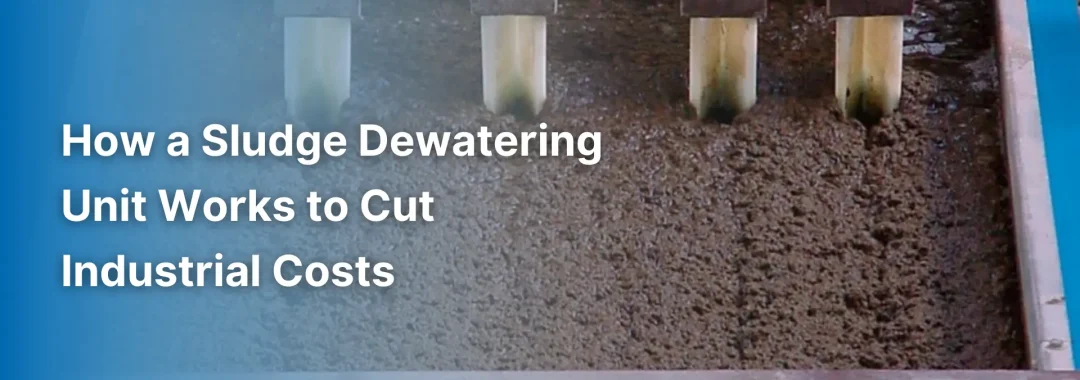
An industrial engineer inspecting a modern system to ensure the sludge dewatering unit works perfectly for volume reduction

Sludge Dewatering Unit Works Explained

How a Sludge Dewatering Unit Works to Cut Industrial Costs

For industrial facility managers in Indonesia, wastewater treatment generates a massive byproduct: liquid sludge. Consequently, handling, transporting, and disposing of this heavy, water-logged waste creates a severe financial burden. Therefore, implementing advanced mechanical separation is not just an option; it is a critical necessity. Understanding exactly how a sludge dewatering unit works provides the foundation for optimizing your plant’s efficiency and achieving strict environmental compliance.

Furthermore, integrating advanced solid-liquid separation serves as a foundational step toward sustainable manufacturing. By converting liquid liabilities into manageable solids, businesses can protect their bottom line.

The Problem with High-Volume Liquid Waste

Factories across the manufacturing, food, and petrochemical sectors continuously generate heavy effluent. Often, standard clarifiers produce a sludge that contains up to 98% water. Therefore, managing this waste stream effectively becomes a top priority for procurement teams.

Environmental and Financial Impacts

Transporting liquid waste is incredibly expensive because companies essentially pay to move water. Moreover, environmental regulations in Indonesia heavily penalize improper disposal of wet sludge. High moisture content increases the risk of toxic leaching and foul odors. Subsequently, facilities face a high risk of regulatory failure and environmental penalties if these parameters remain unchecked. Thus, a proactive approach to volume reduction is mandatory.

Understanding How a Sludge Dewatering Unit Works

To resolve these logistical nightmares, engineers utilize mechanical dewatering. Specifically, a sludge dewatering unit works by applying force to separate the water from the solid particles, creating a dry “cake.”

The Role of Chemical Conditioning

The mechanics behind this process begin with chemistry. First, the system injects specialized polymers into the liquid sludge. Next, these chemicals cause the microscopic solid particles to clump together in a process called flocculation. Because these larger flocs release trapped water more easily, chemical conditioning is absolutely vital. Ultimately, when a sludge dewatering unit works efficiently, it relies heavily on this precise chemical pre-treatment to maximize water extraction.

Mechanical Separation Technologies

Following chemical dosing, the thickened sludge enters the mechanical phase. Several technologies exist, including filter presses, decanter centrifuges, and multi-disc screw presses. For instance, a filter press uses high-pressure hydraulic plates to squeeze the water out through porous cloths. Alternatively, a centrifuge spins the waste at high speeds, using centrifugal force to push the heavier solids outward. Regardless of the specific machinery, the sludge dewatering unit works to transform a watery mess into a stackable, solid cake, thereby reducing total waste volume by up to 80%. You can explore more about this topic in our comprehensive guide on Sludge Dewatering Equipment.

Integrating Dewatering with Advanced Water Systems

By extracting the water from the sludge, facilities can route the recovered liquid back to the head of the wastewater treatment plant. Consequently, this recovered water can undergo further polishing. For example, feeding cleaner recovered water significantly enhances BWRO membrane performance. Additionally, understanding the advantages of RO systems highlights the necessity of excellent pre-treatment. Should your facility require maintenance for these polishing stages, securing high-quality Reverse Osmosis Membrane elements is critical for maintaining consistent flow rates.

Partnering with PT. Gapura Liqua Solutions

Sourcing reliable equipment and expert engineering remains a top priority for decision-makers. Therefore, PT. Gapura Liqua Solutions (GLS) offers comprehensive engineering, procurement, and construction (EPC) services. We tailor every installation to meet your specific effluent chemistry.

Additionally, we provide easy access to critical spare parts and consumables via our official Tokopedia store. Furthermore, you can view our successful, real-world implementations through our recent LinkedIn project updates, which thoroughly showcase our commitment to engineering excellence.

Conclusion

Ultimately, establishing a modern solid-liquid separation system secures your facility’s operational future and environmental standing. Because a sludge dewatering unit works to drastically cut disposal costs, it delivers an exceptional return on investment. PT. Gapura Liqua Solutions acts as your ideal expert partner in this critical journey. We explicitly link our expertise in seawater desalination, advanced resource recovery, and long-term operations to guarantee your facility’s success. Therefore, contact PT. Gapura Liqua Solutions today to discuss your next water treatment project and achieve total operational peace of mind.

FAQ

Q: How much can a sludge dewatering unit reduce my waste volume? A: By extracting water from the liquid sludge, a mechanical dewatering unit can reduce the total volume of your waste by 70% to 80%. Consequently, this drastically lowers transportation and tipping fees at disposal sites.

Q: Does the dewatering process require chemicals? A: Yes. Most systems require the addition of polymer flocculants. Specifically, these chemicals bind the small solid particles together, allowing the mechanical press or centrifuge to squeeze out the water much more effectively.

Q: What happens to the water that is squeezed out of the sludge? A: The extracted water, known as filtrate or centrate, is highly concentrated with dissolved organics. Therefore, it is typically routed back to the front of your wastewater treatment plant for proper biological treatment and polishing.

Q: Can GLS integrate a dewatering system into an existing wastewater plant? A: Absolutely. PT. Gapura Liqua Solutions specializes in retrofitting and upgrading existing infrastructure. We can seamlessly integrate a filter press or screw press into your current flow path to solve specific compliance issues and optimize resource recovery.

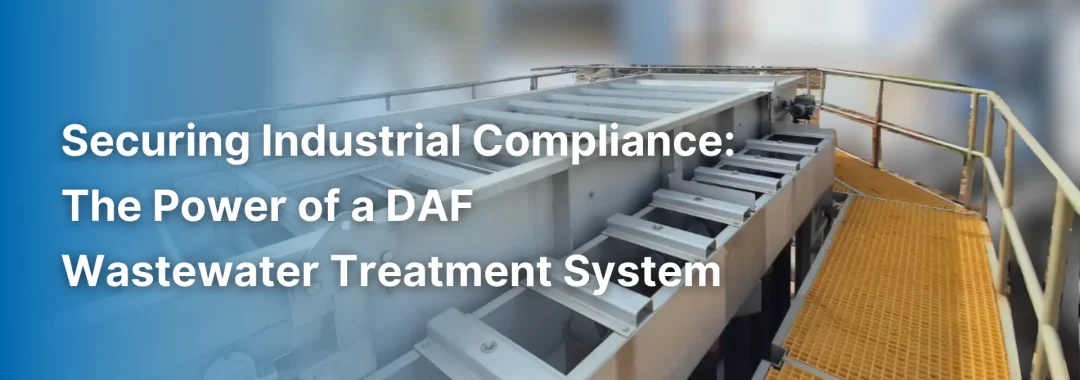
An industrial engineer inspecting a highly efficient DAF wastewater treatment system to ensure proper removal of suspended solids and fats.

DAF Wastewater Treatment System Experts

Securing Industrial Compliance: The Power of a DAF Wastewater Treatment System

Industrial facility managers constantly face the challenge of meeting stringent effluent discharge limits. Consequently, managing fats, oils, and grease (FOG) alongside heavy total suspended solids (TSS) requires robust technology. Implementing a reliable DAF wastewater treatment system provides an effective, solution-driven answer to these operational hurdles. Indeed, this specialized technology separates contaminants efficiently, ensuring strict environmental compliance while optimizing overall plant performance.

Furthermore, integrating advanced primary treatment is no longer a luxury for modern factories. Instead, it serves as the foundational step toward sustainable resource recovery and operational longevity.

Overcoming Industrial Effluent Challenges

Factories across the food, beverage, and petrochemical sectors generate heavily polluted water. Therefore, managing this waste stream effectively becomes a top priority for procurement and facility teams.

The Burden of High TSS and FOG

Conventional settling clarifiers often fail to remove lighter particles and emulsified oils. Because these contaminants do not settle via gravity, they easily pass through standard settling tanks. Subsequently, heavy organic loads disrupt downstream biological processes. High concentrations of FOG can coat biological flocs, essentially starving the beneficial bacteria of oxygen. Thus, facilities face a high risk of regulatory failure and environmental penalties if these parameters remain unchecked.

How a DAF Wastewater Treatment System Drives Efficiency

To resolve these settling issues, engineers utilize Dissolved Air Flotation (DAF). Specifically, a DAF wastewater treatment system floats contaminants to the surface rather than waiting for them to sink.

The Science of Microbubble Flotation

The mechanics behind this process are highly efficient. First, the system dissolves air into a recycled stream of water under high pressure. Next, releasing this pressurized water into the main flotation tank creates millions of microscopic bubbles. These tiny bubbles attach directly to the chemically dosed suspended particles. Ultimately, the buoyancy of the bubbles floats the flocculated sludge to the surface, where mechanical skimmers easily remove it. For further technical reading, we detail exactly how DAF system works for wastewater on our dedicated resources page.

Protecting Downstream Membrane Assets

By removing heavy particulate loads early, the DAF unit effectively protects downstream filtration assets. For instance, feeding cleaner water significantly enhances BWRO membrane performance. Additionally, understanding the advantages of RO systems highlights the absolute necessity of excellent pre-treatment to prevent premature fouling. Should your facility require maintenance, securing high-quality Reverse Osmosis Membrane elements is critical for maintaining flow rates.

Guaranteeing Regulatory Compliance and Operational Continuity

Environmental agencies in Indonesia strictly monitor industrial discharge. Thus, utilizing a proper DAF unit wastewater treatment for compliance helps facilities avoid heavy fines and operational shutdowns. Moreover, integrating this robust separation technology promotes resource recovery. Facilities can safely recycle polished effluent back into cooling towers or washing stations, drastically lowering daily water consumption.

Partnering with Gapura Liqua Solutions

Sourcing reliable equipment and expert engineering remains a top priority for decision-makers. Therefore, PT. Gapura Liqua Solutions (GLS) offers comprehensive engineering, procurement, and construction (EPC) services. We tailor every installation to meet your specific effluent chemistry.

Additionally, we provide easy access to critical spare parts and consumables via our official Tokopedia store. Furthermore, you can view our successful, real-world implementations through our recent LinkedIn project updates, showcasing our commitment to engineering excellence.

Conclusion

Ultimately, establishing a modern DAF wastewater treatment system secures your facility’s operational future and environmental standing. PT. Gapura Liqua Solutions acts as your ideal expert partner in this critical journey. We explicitly link our expertise in seawater desalination, advanced resource recovery, and long-term operations to guarantee your facility’s success. Therefore, contact PT. Gapura Liqua Solutions today to discuss your next water treatment project and achieve total operational peace of mind.

FAQ

Q: What types of contaminants does a DAF system remove most effectively? A: A DAF system excels at removing low-density particulates that do not settle easily via gravity. Specifically, it highly effectively removes Fats, Oils, and Grease (FOG), total suspended solids (TSS), and light biological sludges from industrial effluent.

Q: How does a DAF system protect my Reverse Osmosis (RO) membranes? A: By acting as a robust primary pre-treatment step, the DAF unit drastically reduces the particulate and organic load in the water. Consequently, this prevents premature clogging and organic fouling of downstream ultrafiltration and RO membranes, saving significant maintenance costs.

Q: Do I need chemical dosing for a DAF system to work? A: Yes, in most industrial applications. Adding coagulants and flocculants binds smaller particles together into larger flocs. Subsequently, the microbubbles can easily attach to these larger flocs, significantly increasing the overall removal efficiency of the system.

Q: Can GLS integrate a DAF unit into my existing wastewater treatment plant? A: Absolutely. PT. Gapura Liqua Solutions specializes in upgrading existing infrastructure. We can seamlessly integrate a DAF unit into your current flow path to solve specific compliance issues or increase your overall treatment capacity.

Follow us on Social Media

Facebook Gapura Liqua - DAF wastewater treatment system Instagram Gapura Liqua - DAF wastewater treatment system LinkedIn Gapura Liqua - DAF wastewater treatment system
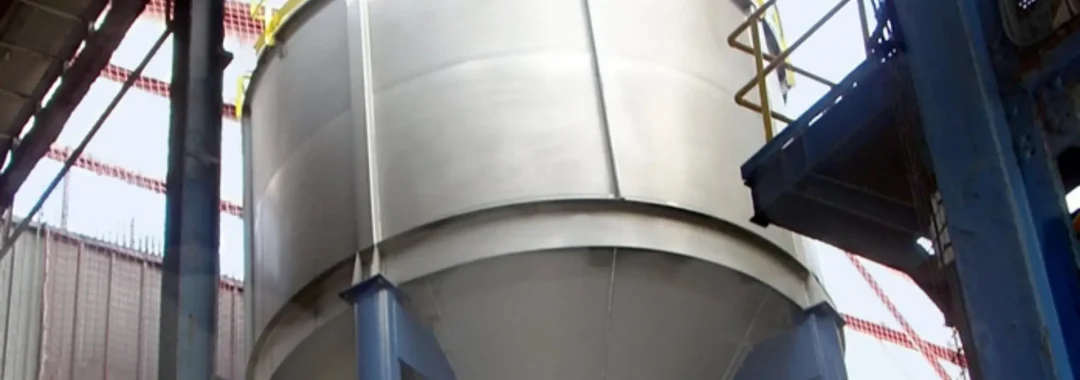
A low-angle shot of a large, cylindrical, stainless steel industrial decant tank with a conical bottom, supported by blue steel beams inside a factory setting. A yellow safety railing runs along the top edge of the tank.

Industrial Decant Tank Applications: From Costs to Strategic Assets

A Complete Guide to Industrial Decant Tank Applications

Published on July 22, 2025

Industrial decant tank applications are a critical component of modern wastewater management, especially within Indonesia’s dynamic industrial landscape. For Facility Managers and Power Plant Operators, the challenge is constant: how to handle industrial effluent effectively without succumbing to high operational costs, process downtime, and compliance risks. At the heart of this challenge consequently lies a deceptively simple yet critical piece of equipment: the industrial decant tank.

In fact, viewing this tank as a mere holding vessel means missing a significant opportunity. A well-designed, properly maintained decant tank becomes a strategic asset that enhances separation efficiency, reduces costs, and safeguards your operations. We designed this comprehensive guide for Indonesian industrial leaders to provide technical insights into the applications, design, and best practices that turn a mandatory cost into a competitive advantage.

Why an Optimized Industrial Decant Tank is More Than Just a Holding Vessel

For any Head of Procurement or Facility Manager under pressure to cut budgets, investing in quality equipment requires clear justification. An underperforming decant tank, for example, directly contributes to major pain points:

  • Inefficient Separation: This leads to high suspended solids (TSS) in the clarified effluent, risking non-compliance with wastewater regulations.
  • Process Downtime: Additionally, unplanned shutdowns due to decanter clogging or mechanical failure can halt production and lead to significant financial losses.
  • High Disposal Costs: Moreover, poor sludge compaction results in higher volumes of sludge, dramatically increasing transportation and disposal expenses.
  • Tank Corrosion & Failure: Finally, improper material selection leads to premature equipment failure, causing safety hazards and costly emergency replacements.

Therefore, an optimized system designed by a reliable supplier transforms these risks into returns. It ensures consistent compliance, minimizes operational interruptions, and optimizes the entire wastewater treatment process, directly contributing to your goal of maximizing uptime and reducing production costs.

Core Industrial Decant Tank Applications

Decant tanks are pivotal in processes that require the separation of solids from liquids via gravity sedimentation. As such, the range of industrial decant tank applications is widespread, with each industry leveraging them for specific purposes.

Wastewater Treatment Plants (WWTP) & Sequencing Batch Reactors (SBR)

This is the most common application. For instance, in an SBR system, the decant tank is integral to the batch process. After aeration and sedimentation phases, a decant arm mechanism activates to remove the treated upper layer of liquid, known as the supernatant, without disturbing the settled sludge blanket at the bottom. A well-designed system ensures the clarified effluent meets discharge standards.

Mining and Mineral Processing

The mining industry uses large-scale decant tanks and industrial clarifiers to separate valuable solids from slurry or to clarify process water for reuse. Indeed, efficient gravity separation is crucial for recovering materials and minimizing the environmental footprint of mining operations.

Food and Beverage Production

Wastewater from food and beverage plants often contains high levels of organic matter and suspended solids. In this case, operators use decant tanks as a primary treatment step to reduce the load on downstream systems, handling high Chemical Oxygen Demand (COD) and TSS before further biological treatment.

Critical Design Considerations for a High-Performance Industrial Decant Tank

The difference between a reliable decant tank and a source of constant problems lies in its design and fabrication. For this reason, as a leading produsen tangki industri (industrial tank producer) in Indonesia, we focus on several critical factors across all industrial decant tank applications.

Material Selection: Combating Corrosion and Ensuring Longevity

The choice of material is your first line of defense against tank corrosion. Options include:

  • Stainless Steel (SS304, SS316L): This material offers excellent corrosion resistance, ideal for aggressive industrial effluent.
  • Carbon Steel with Epoxy Coating: This is a cost-effective solution providing a durable protective barrier against corrosion.
  • Fiber-Reinforced Plastic (FRP): Similarly, FRP is lightweight and highly resistant to a wide range of chemicals.

Sizing and Retention Time: The Science of Separation

Proper sizing is essential for effective sedimentation. Specifically, the tank’s volume and geometry must provide sufficient retention time for solids to settle according to Stokes’ Law, which describes the settling velocity of particles in a fluid.

The following formula gives the terminal settling velocity (\(v_s\)):

\[v_s = \frac{2}{9} \frac{(\rho_p – \rho_f)}{\mu} g R^2\]

Where \(\rho_p\) is the particle density, \(\rho_f\) is the fluid density, \(\mu\) is the fluid viscosity, and \(R\) is the particle radius. This principle dictates that a sufficient retention time at a given flow rate (m³/h) is non-negotiable for achieving clear effluent. A well-designed decanter can achieve over 95% solids-liquid separation efficiency.

Decanter Mechanism: Fixed vs. Floating Decant Arms

The decant arm mechanism is the active component that removes the supernatant.

  • Fixed Decant Arms: These are simpler in design, but can be less precise if water levels fluctuate.
  • Floating Decant Arms: In contrast, these adjust to varying water levels, ensuring supernatant is always drawn from just below the surface to prevent floating solids from escaping. This design is superior for processes with variable inflow.

Furthermore, fabricators must ensure all design and construction adhere to recognized industry standards like API 650 for welded tanks to ensure structural integrity and safety.

Best Practices for Operation and Maintenance to Maximize Uptime

To ensure long-term success, operators must pair a robust design with disciplined operational practices.

Effective Sludge Level Management

Regularly monitor the level of the sludge blanket. Allowing excessive sludge accumulation reduces the effective settling volume and retention time, leading to poorer effluent quality. For this reason, you should integrate the decant tank operation with your sludge dewatering system for efficient solids management.

Routine Monitoring of Effluent Quality

In addition, periodically test the clarified effluent for key parameters like Total Suspended Solids (TSS) and COD. This data provides early warnings of process inefficiencies or decanter clogging, allowing for corrective action before compliance issues arise.

Implementing a Preventive Maintenance Schedule

Work with your provider to establish a schedule for preventive maintenance services. Critically, this should include inspecting the decant arm mechanism, checking for signs of corrosion or fouling, and servicing moving parts to prevent unexpected mechanical failure.

PT. Gapura Liqua Solutions: Your Partner in Custom Decant Tank Solutions

Navigating the complexities of wastewater treatment requires a partner with proven expertise and reliability. At PT. Gapura Liqua Solutions (GLS), we understand the pressures faced by Indonesian industries. We go beyond being a mere equipment supplier; we act as your dedicated solutions partner.

Our expertise in water treatment and desalination informs our approach to every project. We offer comprehensive Jasa Fabrikasi Tangki (Tank Fabrication Services), providing custom tank fabrication tailored to your specific process requirements, flow rates, and effluent characteristics. From initial design and engineering to tank installation and commissioning and long-term maintenance, GLS delivers turnkey wastewater systems that transform your operational challenges into strategic advantages.

Don’t let an inefficient decant tank dictate your plant’s performance. Partner with GLS to engineer a reliable, compliant, and cost-effective solution.

FAQ – Frequently Asked Questions About Industrial Decant Tanks

What is the main difference between a decant tank and a clarifier?

While both use gravity separation, a clarifier typically operates in a continuous flow system. A decant tank, on the other hand, is primarily used in batch processes, like a Sequencing Batch Reactor (SBR), where the liquid is held for a set period to allow settling before the decant phase begins.

How often does an industrial decant tank need to be cleaned?

There is no one-size-fits-all answer. The frequency depends on the sludge accumulation rate, the nature of the solids, and the tank’s design. Ultimately, it requires regular inspection, and cleaning should be scheduled as part of your preventive maintenance plan to prevent fouling and capacity loss.

Can an existing, underperforming decant tank be upgraded?

Absolutely. GLS specializes in retrofitting and upgrades for existing systems. This can include installing more efficient floating decant arms, adding sensor-based automation, or applying protective coatings to extend the tank’s service life.

What is the role of a polymer dosing unit with a decant tank?

Engineers often use a polymer dosing unit before the decant tank. Specifically, it introduces flocculants or coagulants that help smaller suspended particles clump together into larger, heavier flocs. As a result, this dramatically accelerates the settling process as described by Stokes’ Law, resulting in a clearer supernatant and a more compact sludge blanket.

Follow us on Social Media