Penjelasan mengenai manfaat air desalinasi laut bagi fasilitas industri manufaktur di Indonesia.

Manfaat air desalinasi laut bagi Industri Indonesia

Memahami Berbagai Manfaat Air Desalinasi Laut bagi Sektor Industri

Bagi industri yang beroperasi di wilayah pesisir Indonesia, tantangan mendapatkan air bersih berkualitas semakin berat. Seiring dengan meningkatnya intrusi air laut ke sumur-sumur penduduk dan industri, perusahaan dituntut untuk lebih inovatif dalam mengelola sumber daya air. Oleh karena itu, memahami manfaat air desalinasi laut menjadi krusial sebagai bagian dari strategi ketahanan energi dan air perusahaan.

Solusi Strategis Menghadapi Kelangkaan Air di Indonesia

Indonesia adalah negara kepulauan dengan garis pantai terpanjang kedua di dunia. Namun, ironisnya, banyak kawasan industri yang justru mengalami krisis air tawar. Pemanfaatan teknologi desalinasi bukan lagi sekadar pilihan futuristik, melainkan kebutuhan mendesak untuk menjaga stabilitas operasional.

Mengapa Air Tanah Bukan Lagi Pilihan Utama

Pengambilan air tanah secara masif telah menyebabkan penurunan muka tanah yang signifikan di banyak kota besar. Pemerintah Indonesia kini memperketat izin penggunaan air tanah, yang berarti industri harus mencari alternatif. Salah satu manfaat air desalinasi laut yang paling nyata adalah mengurangi tekanan pada akuifer lokal, sekaligus menghindari denda regulasi yang berat.

Daftar Manfaat Air Desalinasi Laut untuk Operasional Fasilitas

Implementasi sistem desalinasi memberikan keunggulan kompetitif bagi perusahaan. Pertama, kualitas air yang dihasilkan sangat murni dan konsisten, bebas dari fluktuasi musiman yang biasa terjadi pada air sungai atau waduk. Kedua, ketergantungan pada pihak ketiga atau suplai air eksternal dapat dikurangi secara drastis.

Jaminan Kontinuitas Produksi Sepanjang Tahun

Dengan memiliki sistem pengolahan sendiri, risiko henti produksi akibat ketiadaan air dapat dieliminasi. Hal ini mendukung keunggulan sistem air RO dalam menciptakan kemandirian utilitas. Selain itu, air hasil desalinasi yang jernih sangat ideal untuk melindungi reverse osmosis membrane pada tahap filtrasi lanjutan, sehingga memperpanjang usia pakai mesin.

Bagaimana Teknologi SWRO GLS Mengoptimalkan Proses Desalinasi

PT. Gapura Liqua Solutions menggunakan teknologi Seawater Reverse Osmosis (SWRO) terbaru yang dirancang khusus untuk kondisi perairan Indonesia. Dengan pretreatment yang presisi, kami memastikan manfaat air desalinasi laut dapat dirasakan melalui penghematan biaya pemeliharaan. Performa sistem kami juga sangat memperhatikan bwro membrane performance agar efisiensi energi tetap terjaga pada level maksimal.

Memilih PT. Gapura Liqua Solutions sebagai Mitra Ahli Anda

Sebagai penyedia solusi air terpadu, GLS memahami bahwa investasi pada sistem desalinasi harus memberikan ROI yang jelas. Kami menawarkan solusi end-to-end, mulai dari desain teknik hingga operasional jangka panjang. Untuk kebutuhan suku cadang atau komponen filtrasi dengan cepat, pelanggan juga dapat mengakses toko resmi kami di Tokopedia.

Keahlian kami dalam mengelola proyek desalinasi skala besar menjadikan GLS partner yang tepat bagi Head of Procurement dan Facilities Manager yang menginginkan reliabilitas tanpa kompromi. Kami memastikan bahwa sistem yang kami bangun tidak hanya memenuhi standar kualitas, tetapi juga berkontribusi pada pemulihan sumber daya (resource recovery) perusahaan.

Kesimpulan

Sangat jelas bahwa manfaat air desalinasi laut mencakup aspek legalitas, kualitas, hingga efisiensi finansial jangka panjang. Di tengah tantangan lingkungan yang semakin kompleks, memiliki sumber air yang handal adalah kunci untuk tetap kompetitif di pasar global. PT. Gapura Liqua Solutions berkomitmen penuh untuk membantu industri di Indonesia mencapai kemandirian air melalui teknologi yang berkelanjutan. Mari jadikan air laut sebagai solusi, bukan lagi sebagai masalah. Segera contact us untuk konsultasi teknis lebih lanjut.

FAQ Section

  • Apakah air desalinasi laut mahal? Biaya operasional telah turun drastis berkat teknologi energy recovery device. Dalam jangka panjang, ini lebih murah daripada risiko henti produksi karena ketiadaan air.
  • Apakah air ini aman untuk boiler? Sangat aman. Air desalinasi memiliki konduktivitas rendah setelah melewati sistem filtrasi yang tepat, sehingga mencegah kerak pada boiler.
  • Berapa kapasitas yang bisa dibangun GLS? Kami melayani berbagai kapasitas, mulai dari unit modular kecil hingga sistem skala besar untuk kawasan industri.

Follow us on Social Media

Facebook Instagram LinkedIn
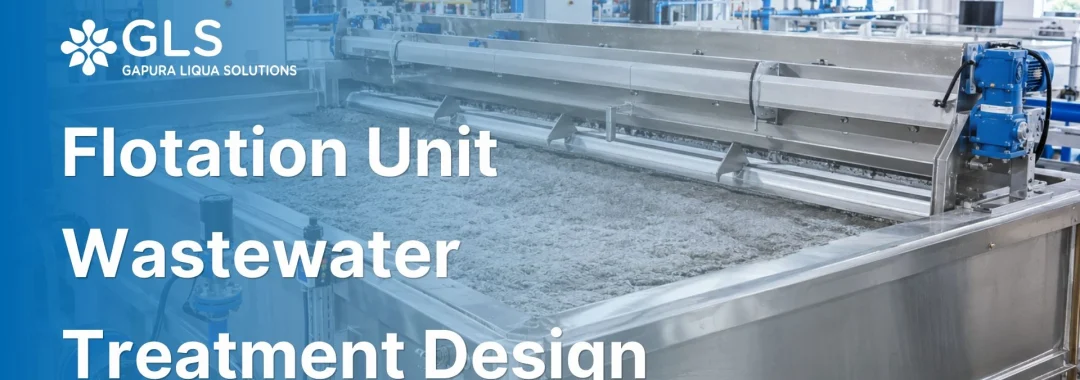
Advanced DAF waste treatment unit showing high-efficiency flotation for Indonesian industrial wastewater.

Advanced DAF waste treatment: Optimized by GLS

Enhancing Industrial Efficiency with Advanced DAF Waste Treatment

In the rapidly evolving industrial landscape of Indonesia, “business as usual” no longer applies to wastewater management. As environmental regulations tighten and water scarcity increases, procurement heads are prioritizing advanced DAF waste treatment to safeguard their operations. Dissolved Air Flotation (DAF) has evolved from a simple separation tool into a high-tech solution capable of handling the most challenging industrial effluents.

Navigating the Complexities of Wastewater Compliance

Facilities Managers in sectors such as petrochemicals and food production face a significant hurdle: removing non-settleable solids and emulsified oils. These contaminants often bypass traditional treatment stages, leading to non-compliance with Indonesian environmental standards. Therefore, relying on outdated infrastructure can result in both ecological damage and severe financial penalties.

Why Conventional Settling Often Falls Short

Traditional sedimentation relies on gravity. However, many industrial pollutants are buoyant or have a density similar to water, making gravity settling painstakingly slow and often ineffective. In contrast, advanced DAF waste treatment uses a pressurized air system to force these particles to the surface. Consequently, this method is significantly faster and requires a much smaller physical footprint than massive clarifiers.

Technical Superiority of Advanced DAF Waste Treatment

The “advanced” nature of modern DAF systems lies in the precision of micro-bubble generation and chemical dosing. By optimizing the coagulation and flocculation process before the water enters the flotation tank, the system ensures that even the smallest colloidal particles are captured. This results in water that is not just “treated” but is often suitable for internal recycling processes.

Synergizing Micro-bubble Technology with Resource Recovery

Beyond mere waste removal, advanced DAF waste treatment acts as a gateway to resource recovery. For many Indonesian industries, the sludge harvested from the DAF process can be repurposed or processed for energy. This shift from “waste disposal” to “resource management” is a hallmark of the total water solutions provided by PT. Gapura Liqua Solutions.

Protecting Your Assets: From DAF to Membrane Systems

A critical role of the DAF system is the protection of downstream technology. If your plant utilizes an industrial reverse osmosis membrane, the DAF unit serves as the primary shield against fouling. By ensuring a low Silt Density Index (SDI), the DAF process maintains optimal bwro membrane performance and extends the interval between expensive maintenance cycles.

Why PT. Gapura Liqua Solutions is Your Expert Partner

PT. Gapura Liqua Solutions (GLS) stands at the forefront of the water treatment industry in Indonesia. We provide end-to-end expertise, ensuring that your advanced DAF waste treatment system is not a standalone box, but a fully integrated component of your utility infrastructure. Our focus on keunggulan sistem air RO and long-term operational continuity makes us the partner of choice for procurement heads who value reliability over the lowest initial bid.

From specialized components available on Tokopedia to large-scale engineering, procurement, and operations (EPO), GLS delivers the technical depth required for modern industry.

Conclusion

Investing in advanced DAF waste treatment is more than a compliance move; it is a commitment to operational excellence and resource recovery. By choosing a system designed for high performance and low maintenance, you ensure the longevity of your facility and the quality of your output. PT. Gapura Liqua Solutions is ready to help you navigate these technical challenges with a partnership built on transparency and expertise. To secure your facility’s water future, contact us today for a technical consultation.

FAQ Section

  • What makes DAF “advanced”? It involves automated chemical dosing, precise micro-bubble control, and integrated monitoring systems that adapt to changing wastewater quality in real-time.
  • Does DAF reduce COD and BOD? Yes, by effectively removing organic solids and fats, it significantly reduces Chemical Oxygen Demand and Biological Oxygen Demand levels.
  • Can GLS retrofit an old settling tank with DAF? Absolutely. We specialize in upgrading existing infrastructure to modern advanced DAF waste treatment standards.

Follow us on Social Media

Facebook Instagram LinkedIn
Industrial worker inspecting activated glass filter media for water treatment system in Indonesia.

Activated glass filter media for industrial use

Optimizing Industrial Systems with Activated Glass Filter Media

In the demanding landscape of Indonesian industrial utilities, water quality is not just a regulatory requirement; it is a pillar of operational continuity. Facilities Managers often struggle with inconsistent filtration performance. Consequently, many are now turning to activated glass filter media as a high-performance alternative to traditional silica sand.

The Filtration Challenge in Indonesian Industry

Industrial sectors in Indonesia, ranging from power plants to food manufacturing, rely heavily on robust pretreatment. However, traditional sand filters frequently encounter issues such as “channeling” and biofouling. When bacteria colonize sand particles, they form a biofilm that traps organic matter, leading to increased pressure drops and frequent backwashing.

Why Conventional Sand Often Fails

Traditional media is prone to biological growth. Furthermore, because sand particles have irregular shapes and inconsistent surfaces, they often fail to capture fine particulates effectively. This inefficiency forces secondary systems, such as reverse osmosis membranes, to work harder, eventually leading to premature membrane fouling and higher replacement costs.

Benefits of Activated Glass Filter Media Over Traditional Media

Activated glass filter media offers a bio-resistant and sustainable solution. Unlike sand, this media is manufactured from recycled green and brown glass, which undergoes a chemical and thermal activation process. This process gives the media a permanent negative surface charge, allowing it to attract and remove much smaller particles than standard sand.

Superior Bio-Resistance and Longevity

One of the most significant advantages is the prevention of biofilm. Because the surface of the glass is smooth and activated, bacteria cannot easily attach to it. Therefore, the filter remains clean for longer periods. Consequently, facilities see a reduction in chemical usage and backwash water consumption by up to 50%. For Indonesian companies looking to improve their BWRO membrane performance, starting with high-quality media is essential.

Role of Activated Glass Filter Media in Desalination

In seawater desalination (SWRO), the quality of pretreatment dictates the lifespan of the entire system. Using activated glass filter media ensures that the Silt Density Index (SDI) remains low. By removing more organic matter during the initial phase, you protect expensive downstream assets. This is particularly vital in Indonesia’s coastal industrial zones where seawater quality can fluctuate significantly.

Partnering with GLS for Total Water Solutions

Choosing the right media is only half the battle. To achieve true operational excellence, you need a partner who understands the integration of these technologies. PT. Gapura Liqua Solutions (GLS) provides end-to-end expertise in seawater desalination and resource recovery. We ensure that your activated glass filter media is perfectly calibrated within your specific system architecture.

By focusing on keunggulan sistem air RO, GLS helps procurement heads reduce Total Cost of Ownership (TCO). Whether you need to procure specialized media through Tokopedia or require a full-scale engineering overhaul, we offer the technical depth required for Indonesian industrial success.

Conclusion

Transitioning to activated glass filter media is a strategic move for any facility manager aiming for reliability and efficiency. This technology not only protects your equipment but also supports long-term sustainability goals. At PT. Gapura Liqua Solutions, we combine advanced filtration with decades of operational experience to ensure your business never stops due to water issues. For a customized evaluation of your filtration needs, please contact us today.

FAQ Section

  • How long does activated glass filter media last? It typically lasts the lifetime of the filter vessel, unlike sand which requires replacement every 3–5 years.
  • Can I swap sand for glass media in my existing tanks? Yes, it is a direct “drop-in” replacement that usually requires less volume than sand.
  • Does it improve RO membrane lifespan? Yes, by significantly lowering the SDI and removing more particulates during pretreatment.

Follow us on Social Media

Facebook Instagram LinkedIn

Implementasi sistem untuk meningkatkan efisiensi teknologi reverse osmosis pada fasilitas pengolahan air industri skala besar oleh PT. Gapura Liqua Solutions.

Efisiensi Teknologi Reverse Osmosis untuk Industri Indonesia

Optimasi Efisiensi Teknologi Reverse Osmosis untuk Keberlanjutan Industri

Dalam lanskap industri Indonesia yang kompetitif, gangguan pada utilitas air berarti kerugian finansial. Kegagalan sistem pengolahan sering kali berujung pada penghentian produksi secara mendadak. Memahami efisiensi teknologi reverse osmosis bukan sekadar pilihan teknis. Ini adalah strategi manajemen risiko bagi para direktur teknis dan manajer fasilitas.

Tantangan Operasional: Mengapa Sistem RO Standar Sering Gagal?

Banyak perusahaan manufaktur menghadapi masalah kronis pada sistem pemurnian air mereka. Masalah utama biasanya berkisar pada tingginya biaya operasional (OPEX) dan rendahnya masa pakai komponen.

Beberapa faktor kegagalan meliputi:

  • Biofouling: Akumulasi mikroorganisme yang menyumbat pori membran secara prematur.
  • High Pressure Drop: Penurunan tekanan yang drastis akibat desain sistem yang tidak presisi.
  • Permeate Quality: Fluktuasi kualitas air hasil yang tidak memenuhi standar proses industri.

Tanpa penanganan tepat, beban biaya penggantian reverse osmosis membrane akan membengkak secara signifikan.

Solusi Teknis: Integrasi Engineering dan Presisi Material

Mencapai efisiensi teknologi reverse osmosis memerlukan pendekatan holistik. PT. Gapura Liqua Solutions (GLS) menerapkan standar engineering yang melampaui sekadar perakitan komponen.

1. Pre-treatment Tingkat Lanjut

Kami menggunakan media filtrasi aktif seperti Activated Filter Media (AFM). Teknologi ini memiliki sifat katalitik yang mencegah penggumpalan bakteri. Hal ini secara langsung menurunkan risiko membrane fouling.

2. Monitoring TDS dan Laju Aliran

Sistem kami dirancang untuk menangani variasi TDS levels yang ekstrem, baik untuk aplikasi Sea Water (SWRO) maupun Brackish Water (BWRO). Dengan pemantauan real-time, risiko kerusakan mekanis akibat kerak dapat dimitigasi sejak dini. Anda dapat mempelajari lebih lanjut mengenai BWRO membrane performance untuk data teknis lebih dalam.


Perbandingan: Standar Industri vs. Solusi GLS

Fitur TeknisPraktek Industri StandarGLS Engineered Solutions
Desain SistemRakitan komponen generikCustom-engineered sesuai feed water
Manajemen MembranPenggantian reaktifPrediktif berbasis data performa
Konsumsi EnergiTinggi (tanpa optimasi tekanan)Rendah (dengan Energy Recovery Devices)
Dukungan TeknisTerbatas pada penjualanKontrak O&M menyeluruh

Memilih Mitra Strategis: Keunggulan GLS

PT. Gapura Liqua Solutions memahami bahwa air adalah nadi industri Anda. Kami menawarkan keunggulan sistem air RO yang terintegrasi dengan layanan EPC (Engineering, Procurement, and Construction).

Fokus kami adalah Resource Recovery. Kami membantu industri tidak hanya memurnikan air, tetapi juga mengoptimalkan setiap tetes yang digunakan melalui sistem yang andal dan efisien. Fokuslah pada bisnis inti Anda, sementara kami menangani kompleksitas pengolahan air.

Untuk pengadaan komponen cepat, Anda juga dapat mengunjungi Official Store kami di Tokopedia.

Kesimpulan: Investasi untuk Masa Depan

Meningkatkan efisiensi teknologi reverse osmosis adalah investasi jangka panjang. Dengan sistem yang tepat, perusahaan Anda dapat menekan biaya maintenance dan meningkatkan keberlanjutan operasional. Pastikan sistem Anda didukung oleh keahlian teknis kelas dunia untuk hasil yang konsisten.

Konsultasikan kebutuhan sistem air industri Anda dengan tim ahli kami melalui halaman Contact Us.

FAQ: Pertanyaan Teknis Pengambil Keputusan

1. Bagaimana cara menghitung ROI dari upgrade sistem RO? ROI dihitung berdasarkan penurunan frekuensi pembersihan membran (CIP), penghematan energi melalui variable speed drives, dan pengurangan biaya penggantian membran tahunan.

2. Apakah GLS dapat melakukan audit pada sistem RO yang sudah ada? Ya, kami menyediakan layanan audit teknis untuk mengidentifikasi bottleneck operasional dan memberikan rekomendasi peningkatan efisiensi secara spesifik.

3. Apa standar kualitas permeate yang dijamin oleh teknologi GLS? Sistem kami dirancang untuk memenuhi standar ketat sesuai kebutuhan spesifik industri, mulai dari standar air umpan boiler hingga proses farmasi yang mengacu pada regulasi internasional seperti World Health Organization (WHO) atau standar lokal Kementerian Perindustrian.

Follow us on Social Media
Facebook Instagram LinkedIn
Industrial self sterilizing media filter installation

Self Sterilizing Media Filter for Industrial Water | GLS

Enhancing Industrial Water Pre-treatment with Self Sterilizing Media Filter Technology

In the demanding environment of Indonesian industrial utilities, the efficiency of pre-treatment systems dictates the lifespan of the entire water circuit. As facilities strive for higher operational uptime, many are pivoting toward the self sterilizing media filter, specifically utilizing Activated Filter Media (AFM). This shift is driven by the need to combat the persistent threat of biological growth within filtration beds, which often compromises downstream reverse osmosis membranes.

The Biofouling Challenge in Industrial Filtration

Traditional filtration methods often become breeding grounds for bacteria. When organic matter is trapped in standard media, it creates a biofilm that leads to “channeling.” This reduces the quality of the water and increases the frequency of backwashing.

Why Conventional Sand Filters Fail in Industrial Utilities

Sand is silica-based and chemically inert, allowing bacteria to colonize the surface of the grains. This biofilm acts as a “glue,” sticking grains together and increasing the pressure drop across the vessel. For a Facility Manager, this means higher energy costs and inconsistent water quality.

The AFM Advantage: A True Self Sterilizing Media Filter

Activated Filter Media (AFM) is a direct replacement for sand, manufactured from green glass and activated through a unique chemical and thermal process. This results in a self sterilizing media filter that prevents bacteria from ever attaching to the surface.

Performance MetricStandard Silica SandAFM (Self-Sterilizing)
Filtration Grade20 microns< 5 microns
Bio-ResistanceNone (Biofilm forms)High (Self-sterilizing)
Backwash WaterHigh volume required50% less water used
Lifespan2–3 yearsOver 15 years

Catalytic Oxidation and Bio-Resistance Explained

The surface of AFM has a high negative charge and catalytic properties. When water flows through, it creates small amounts of free radicals (OH) on the surface, which act as a disinfectant. This is what makes it a self sterilizing media filter. By removing the biological load at the pre-treatment stage, you significantly improve BWRO membrane performance and reduce the need for aggressive chemical cleaning.

Why PT. Gapura Liqua Solutions Integrates AFM in Systems

At PT. Gapura Liqua Solutions (GLS), we specialize in end-to-end engineering that prioritizes long-term reliability. We integrate self sterilizing media filter technology into our SWRO and BWRO systems because it allows our clients to focus on their core business without worrying about sudden utility failures.

By utilizing the keunggulan sistem air RO equipped with AFM, industrial plants in Indonesia can achieve lower TDS levels and superior permeate quality while reducing their environmental footprint.

Conclusion: Sustainable Water Reliability for Indonesian Industry

Investing in a self sterilizing media filter is a strategic decision for any technical director aiming for resource recovery and efficiency. AFM technology provides the stability required for modern industrial processes, ensuring that your water supply remains a silent partner in your success, not a constant maintenance headache.

To upgrade your current filtration system or design a new utility plant, Contact us at GLS.

FAQ Section

Q: How does a self sterilizing media filter reduce chemical costs?

A: Since the media prevents biofilm formation, there is less organic matter reaching the RO membranes. This reduces the frequency of CIP (Cleaning In Place) and the volume of biocides required.

Q: Can I replace my existing sand with AFM?

A: Yes, AFM is a 1:1 replacement for sand in existing pressure vessels, though we recommend a system audit to optimize backwash flow rates.

Q: Is this technology effective for seawater desalination?

A: Absolutely. In seawater applications, biofouling is the leading cause of membrane failure. AFM provides a critical protective barrier.

Follow us on Social Media
Facebook Instagram LinkedIn
A large-scale industrial salt water treatment plant utilizing reverse osmosis pressure vessels under a clear sky in Indonesia

Industrial Salt Water Treatment Reliable Productions

Industrial Salt Water Treatment: Securing Operations Against Scarcity

For facility managers and procurement heads across Indonesia, securing a reliable, high-quality water supply is becoming increasingly complex. As freshwater sources become scarcer or contaminated due to seawater intrusion, industries are forced to look towards alternative sources: seawater and brackish groundwater. Consequently, implementing effective industrial salt water treatment is no longer an option; it is a strategic necessity for business continuity.

PT. Gapura Liqua Solutions (GLS) understands that your core business is not managing water treatment plants. However, without a reliable supply of process water, core operations grind to a halt. This article outlines the critical importance of professional desalination strategies.

The High Cost of Ignoring Salinity in Industrial Water

Utilizing water with high Total Dissolved Solids (TDS) without adequate treatment is a recipe for disaster. While the immediate availability of brackish or seawater might seem like a solution, the hidden costs are substantial.

Impact on Assets and Operational Continuity

Untreated saline water wreaks havoc on industrial infrastructure. Specifically, chlorides present in salt water are highly corrosive to metals, leading to rapid deterioration of piping, boilers, and cooling towers. Furthermore, high mineral content causes scaling, which reduces heat transfer efficiency and increases energy consumption.

Ultimately, these issues lead to unplanned downtime and expensive equipment replacement. Therefore, investing in a robust industrial salt water treatment system is essentially an insurance policy for your entire production facility.

Industrial Salt Water Treatment as a Strategic Solution

Modern desalination technology allows industries to convert virtually any saline source into high-purity process water. The most prevalent and energy-efficient method today is Reverse Osmosis (RO).

Depending on the source water salinity, systems are categorized as Seawater Reverse Osmosis (SWRO) or Brackish Water Reverse Osmosis (BWRO). To understand the benefits better, you can read about the general advantages of RO water systems.

The Role of Advanced Membrane Technology

At the heart of any RO system are the membranes. These semi-permeable barriers separate salts from water molecules under high pressure. The selection of the right Reverse Osmosis Membrane is critical and depends heavily on the specific feed water chemistry.

For facilities dealing with brackish groundwater, understanding factors affecting BWRO membrane performance is essential for optimizing lifespan and energy usage. Utilizing the correct technology turns a problematic water source into a secure, long-term asset.

Why Engineering Expertise Defines Long-Term Success

Buying equipment is easy; ensuring it runs efficiently for twenty years is difficult. Many industrial desalination projects fail not because of the technology, but due to poor system design or inadequate maintenance.

An effective industrial salt water treatment plant requires precise engineering, proper pre-treatment protocols, and energy recovery devices to keep operational expenditures (OPEX) manageable. According to the International Desalination Association, energy consumption remains a key factor in plant viability, emphasizing the need for efficient design.

Beyond Installation: The Importance of O&M

Successful water management requires a long-term view. GLS provides end-to-end systems, meaning we don’t just supply hardware; we ensure operational continuity. This includes long-term Operations & Maintenance (O&M) support, ensuring compliance with environmental regulations, and managing consumables.

Real-world application of this expertise is crucial. You can see examples of our ongoing commitment to operational excellence in our recent project updates on LinkedIn.

Conclusion

Facing water scarcity requires proactive measures. By adopting advanced industrial salt water treatment, Indonesian industries can secure their water future against operational risks. However, the technology is only as good as the partner behind it.

GLS offers the expertise to deliver reliable, end-to-end desalination solutions, allowing you to focus entirely on your core business. For convenience, you can even find essential components through our official Tokopedia store.

Do not compromise on water security. Contact PT. Gapura Liqua Solutions today to discuss your specific water challenges.

FAQ Section

Q: What is the difference between SWRO and BWRO in industrial treatment?

A: SWRO (Seawater Reverse Osmosis) treats water with very high salinity (typically >30,000 ppm TDS), requiring higher pressures and energy. BWRO (Brackish Water Reverse Osmosis) treats water that is saltier than fresh water but less salty than seawater (typically 1,000–10,000 ppm TDS), often found in coastal groundwater.

Q: How does GLS ensure the long-term reliability of a salt water treatment plant?

A: We go beyond just supplying equipment. We provide comprehensive engineering, proper pre-treatment design to protect membranes, and offer long-term Operations & Maintenance (O&M) contracts to ensure continuous, optimal performance.

Q: Is industrial salt water treatment cost-effective for my facility?

A: While the initial investment can be significant, the cost of not having reliable water—through downtime, corroded assets, or buying expensive trucked water—is often much higher. Modern energy recovery devices have also significantly reduced the OPEX of desalination.

Q: Can GLS handle high-volume water requirements for large industries?

A: Yes. GLS specializes in end-to-end industrial-scale solutions, designing systems tailored to the specific volume and quality requirements of large manufacturing and processing facilities.


    Follow us on Social Media  
                       
Teknisi melakukan kalibrasi pompa injeksi kimia untuk memastikan dosis anti scalant tepat pada sistem RO industri Gapura Liqua Solutions.

Dosis Anti Scalant Tepat untuk RO

Mengapa Dosis Anti Scalant Tepat Kunci Efisiensi RO Industri?

Dalam operasional sistem Reverse Osmosis (RO) industri, keseimbangan kimia adalah segalanya. Banyak manajer fasilitas terjebak dalam pemikiran bahwa “lebih banyak bahan kimia berarti lebih bersih”. Padahal, realitanya tidak demikian. Menentukan dosis anti scalant tepat adalah seni dan sains yang krusial untuk menjaga kelangsungan aset pabrik Anda.

Kesalahan dalam perhitungan dosis bukan hanya soal pemborosan anggaran belanja kimia, tetapi juga ancaman langsung terhadap umur membran yang harganya tidak murah. Tanpa strategi penentuan dosis anti scalant tepat, Anda mempertaruhkan efisiensi produksi air bersih perusahaan.

Bahaya Salah Dosis: Underdosing vs Overdosing

Mengelola injeksi kimia memerlukan presisi. Baik kekurangan maupun kelebihan dosis, keduanya membawa dampak negatif yang signifikan.

Risiko Kerak Akibat Kurang Dosis

Jika sistem Anda tidak mendapatkan dosis anti scalant yang tepat (kurang dari yang dibutuhkan), kemampuan kimia untuk menghambat kristalisasi mineral akan gagal. Mineral seperti kalsium karbonat dan silika akan mengendap di permukaan membran. Hal ini menyebabkan kenaikan tekanan pompa dan penurunan debit air produksi. Anda dapat mempelajari lebih lanjut tentang perlindungan aset ini di artikel kami mengenai antiscalant membran Reverse Osmosis.

Biofouling Akibat Dosis Berlebih

Sebaliknya, memberikan dosis berlebih (overdosing) bukan berarti perlindungan ganda. Banyak antiscalant berbasis organik yang, jika berlebihan, justru menjadi makanan bagi bakteri. Hal ini memicu biofouling (lendir biologi) yang menyumbat membran lebih cepat daripada kerak mineral itu sendiri. Oleh karena itu, mencapai dosis anti scalant tepat adalah satu-satunya cara untuk menghindari kedua skenario buruk ini.

Faktor Penentu Dosis Anti Scalant

Bagaimana cara insinyur menentukan angka ppm (parts per million) yang akurat? Tidak ada angka ajaib yang berlaku untuk semua pabrik; semuanya bergantung pada data.

Analisis Kualitas Air Baku

Langkah pertama adalah mengetahui apa yang ada di dalam air Anda. Parameter seperti TDS, pH, suhu, dan konsentrasi ion spesifik (kalsium, magnesium, sulfat, silika) harus diukur dengan akurat. Semakin tinggi potensi kerak (scaling potential), semakin tinggi pula kebutuhan dosisnya. Namun, jenis antiscalant juga berpengaruh. Informasi mengenai produk terbaik dapat Anda temukan di halaman antiscalant membran RO terbaik.

Recovery Rate Sistem

Sistem yang diatur pada recovery rate tinggi (misalnya 75-80%) akan menghasilkan air buangan (concentrate) yang sangat pekat. Kondisi ini memerlukan dosis anti scalant tepat yang lebih tinggi dibandingkan sistem dengan recovery rendah. Perhitungan ini biasanya dilakukan menggunakan software simulasi khusus untuk memastikan keamanan membran.

Solusi GLS untuk Manajemen Kimia yang Akurat

PT. Gapura Liqua Solutions (GLS) tidak hanya menjual bahan kimia; kami menjual jaminan performa. Tim kami melakukan audit menyeluruh untuk memastikan injeksi kimia di pabrik Anda sudah sesuai standar. Kami membantu Anda menghitung dan memantau dosis anti scalant tepat untuk mencegah downtime yang tidak perlu.

Untuk kebutuhan operasional harian, kami juga menyediakan akses mudah ke berbagai produk perawatan membran melalui toko resmi kami di Tokopedia. Selain itu, kami juga sering membagikan studi kasus keberhasilan implementasi di lapangan melalui update proyek kami di LinkedIn.

Kesimpulan

Efisiensi biaya operasional (OPEX) dimulai dari presisi. Dengan menerapkan dosis anti scalant tepat, Anda tidak hanya menghemat biaya pembelian bahan kimia, tetapi juga memperpanjang umur investasi membran Anda.

Jangan biarkan sistem RO Anda bekerja di bawah performa terbaiknya. Hubungi PT. Gapura Liqua Solutions hari ini untuk konsultasi teknis dan penentuan dosis yang akurat bagi fasilitas Anda.

FAQ

Q: Bagaimana cara menghitung dosis anti scalant?

A: Perhitungan dilakukan menggunakan software proyeksi dari pabrikan bahan kimia. Data input meliputi analisis air lengkap (kation/anion), pH, suhu, dan desain sistem (recovery & flux). GLS dapat membantu Anda melakukan perhitungan ini secara gratis sebagai bagian dari layanan kami.

Q: Apa tanda-tanda dosis terlalu rendah?

A: Tanda paling umum adalah penurunan flow produk dan kenaikan tekanan pompa (high pressure) dalam waktu singkat setelah pencucian (CIP). Ini menandakan kerak mineral terbentuk dengan cepat karena dosis anti scalant tepat belum tercapai.

Q: Apakah antiscalant cair lebih baik daripada bubuk?

A: Untuk industri, bentuk cair (konsentrat) lebih disarankan karena memudahkan pencapaian dosis anti scalant tepat melalui pompa injeksi otomatis, serta mengurangi risiko kesalahan pencampuran manual yang sering terjadi pada bentuk bubuk.

Q: Seberapa sering dosing pump harus dikalibrasi?

A: Idealnya, kalibrasi dilakukan setiap bulan atau setiap kali ada penggantian batch bahan kimia. Hal ini memastikan volume cairan yang diinjeksikan sesuai dengan perhitungan ppm yang diinginkan.

Follow us on Social Media

Facebook Gapura Liqua - dosis anti scalant tepat Instagram Gapura Liqua - dosis anti scalant tepat LinkedIn Gapura Liqua - dosis anti scalant tepat
Teknisi menggunakan TDS meter digital untuk mengukur kualitas air, memvisualisasikan pengertian TDS air adalah parameter vital dalam sistem pengolahan air industri GLS.

Pengertian TDS Air Adalah Parameter Industri

Pengertian TDS Air Adalah Parameter Kunci untuk Efisiensi Industri

Dalam manajemen fasilitas industri, kualitas air sering kali menjadi faktor penentu antara operasi yang lancar dan downtime yang mahal. Salah satu istilah yang paling sering muncul dalam laporan kualitas air adalah TDS. Secara teknis, pengertian TDS air adalah jumlah total padatan terlarut (Total Dissolved Solids) yang terkandung dalam volume air tertentu, biasanya dinyatakan dalam satuan mg/L atau ppm (parts per million).

Namun, bagi seorang Head of Procurement atau Facility Manager, pengertian TDS air adalah representasi langsung dari potensi risiko operasional. Padatan terlarut ini mencakup garam anorganik (seperti kalsium, magnesium, kalium, natrium, bikarbonat, klorida, dan sulfat) serta sejumlah kecil bahan organik yang terlarut dalam air.

Mengapa Memantau TDS Sangat Penting bagi Fasilitas Anda?

Mengabaikan level TDS bisa berakibat fatal bagi aset perusahaan. Air dengan TDS tinggi bukan hanya masalah estetika rasa atau kejernihan, tetapi merupakan pembawa masalah mekanis yang serius.

Ancaman Kerak (Scaling) dan Korosi

Jika pengertian TDS air adalah indikator beban mineral, maka TDS tinggi berarti beban berat bagi sistem perpipaan dan mesin termal. Mineral seperti kalsium dan magnesium cenderung mengendap saat air dipanaskan, membentuk kerak keras pada dinding boiler atau heat exchanger.

Kerak ini bertindak sebagai isolator panas, memaksa mesin bekerja lebih keras dan memboroskan energi. Di sisi lain, TDS yang terlalu tinggi juga meningkatkan konduktivitas air, yang mempercepat laju korosi elektrokimia pada pipa logam. Akibatnya, umur aset memendek drastis.

Berapa Standar TDS yang Ideal untuk Industri?

Setiap industri memiliki toleransi TDS yang berbeda. Untuk air minum, Permenkes RI menetapkan batas aman, namun untuk kebutuhan industri seperti air umpan boiler tekanan tinggi, nilainya harus mendekati nol.

Oleh karena itu, memahami pengertian TDS air adalah langkah awal untuk menentukan strategi pengolahan (treatment) yang tepat. Jika sumber air baku Anda berupa air payau atau air laut dengan TDS di atas 10.000 ppm, pengolahan konvensional saja tidak akan cukup.

Solusi Menurunkan TDS: Peran Teknologi Reverse Osmosis

Cara paling efektif dan efisien untuk menurunkan TDS secara drastis adalah dengan teknologi Reverse Osmosis (RO).

Keunggulan Membran dalam Menyaring Mineral Terlarut

Sistem RO bekerja dengan mendorong air melewati membran semipermeabel bertekanan tinggi. Pori-pori membran ini sangat kecil (0,0001 mikron) sehingga mampu menahan hingga 99% padatan terlarut. Anda dapat mempelajari lebih lanjut tentang efisiensi ini di halaman keunggulan sistem air RO.

Dalam konteks industri, penggunaan elemen Reverse Osmosis Membrane yang berkualitas sangat krusial. Membran yang tepat tidak hanya menurunkan TDS tetapi juga tahan terhadap fouling, menjaga performa sistem tetap stabil dalam jangka panjang. Detail teknis mengenai kinerja membran dalam menghadapi air dengan salinitas tinggi dapat dilihat pada artikel BWRO membrane performance.

Bermitra dengan Gapura Liqua Solutions untuk Kualitas Air Stabil

Menurunkan TDS bukan hanya soal membeli mesin, tetapi merancang sistem yang berkelanjutan. PT. Gapura Liqua Solutions (GLS) memahami bahwa pengertian TDS air adalah variabel dinamis yang memerlukan penanganan ahli.

Kami menyediakan solusi end-to-end, mulai dari analisis air baku, desain engineering, hingga pengadaan komponen vital. Kami telah membantu berbagai industri di Indonesia mengubah sumber air bermasalah menjadi aset produktif. Anda dapat melihat salah satu bukti keberhasilan implementasi sistem kami melalui update proyek kami di LinkedIn.

Selain layanan konsultasi dan instalasi, kami juga mendukung tim pemeliharaan Anda dengan ketersediaan suku cadang yang mudah diakses melalui toko resmi kami di Tokopedia.

Kesimpulan

Kualitas air utilitas adalah fondasi dari efisiensi produksi. Dengan memahami bahwa pengertian TDS air adalah indikator vital kesehatan mesin, Anda dapat mengambil langkah proaktif untuk melindungi investasi perusahaan.

Jangan biarkan tingginya TDS menggerogoti profitabilitas Anda melalui biaya energi dan perbaikan mesin. Hubungi PT. Gapura Liqua Solutions hari ini untuk audit kualitas air dan solusi penurunan TDS yang terpercaya.

FAQ Section

Q: Apa perbedaan antara TDS dan TSS?

A: Pengertian TDS air adalah total padatan yang terlarut (tidak terlihat mata telanjang), sedangkan TSS (Total Suspended Solids) adalah padatan yang tersuspensi (melayang dan menyebabkan kekeruhan). TDS hanya bisa dipisahkan dengan membran (RO) atau distilasi, sedangkan TSS bisa dipisahkan dengan filter biasa.

Q: Berapa nilai TDS yang normal untuk air umpan boiler?

A: Sangat rendah. Untuk boiler tekanan tinggi, TDS idealnya mendekati 0-50 ppm untuk mencegah kerak. Air dengan TDS tinggi akan menyebabkan efisiensi termal anjlok dan risiko ledakan pipa boiler.

Q: Apakah sistem RO bisa menghilangkan semua TDS?

A: Sistem RO industri yang dirancang dengan baik mampu membuang 95% hingga 99% TDS. Untuk kebutuhan ultra-pure water (TDS mendekati 0), biasanya ditambahkan tahap Demineralization atau Mixed Bed Resin setelah proses RO.

Q: Bagaimana cara mengukur TDS di pabrik?

A: TDS diukur menggunakan alat TDS Meter atau Conductivity Meter. Alat ini mengukur kemampuan air menghantarkan listrik; semakin tinggi TDS, semakin tinggi daya hantar listriknya.

Follow us on Social Media

Facebook Gapura Liqua - pengertian TDS air adalah Instagram Gapura Liqua - pengertian TDS air adalah LinkedIn Gapura Liqua - pengertian TDS air adalah
Industrial technician adjusting a chemical dosing pump to administer an effective anti scalant chemical into an RO system to prevent fouling.

Effective Anti Scalant Chemical Facts

Effective Anti Scalant Chemical: Effective Anti Scalant Chemical: Protecting Your Industrial Assets

For industrial facility managers in Indonesia, maintaining the efficiency of a Seawater Reverse Osmosis (SWRO) or Brackish Water Reverse Osmosis (BWRO) plant is a constant battle against chemistry. However, as the system extracts pure water, the remaining salts concentrate rapidly. Consequently, this leads to a high risk of mineral precipitation. To combat this issue, deploying an effective anti scalant chemical is not just an option; it is a necessity for operational continuity.

Moreover, without the correct chemical intervention, scale formation can irreversibly damage expensive membrane elements. As a result, this leads to skyrocketing operational costs and critical production downtime.

Understanding the Threat of Membrane Scaling

Scaling occurs when dissolved minerals in the feed water exceed their solubility limits. In industrial settings, specific compounds like calcium carbonate, calcium sulfate, or reactive silica often drive this process.

How Mineral Precipitation Occurs

First, high-pressure pumps force water through the membrane. Then, the concentration of salts on the feed surface increases significantly. Unless you intervene with an effective anti scalant chemical, these salts crystallize. Subsequently, they form a hard, rock-like layer on the membrane surface. This layer blocks the flow of water. Therefore, the pumps must work harder and consume more energy to maintain production rates.

Why an Effective Anti Scalant Chemical is Critical

Implementing a robust dosing strategy is the first line of defense. Specifically, the primary function of an effective anti scalant chemical involves interfering with crystal growth. This action keeps minerals dissolved even when they are supersaturated.

Reducing Energy Consumption and Cleaning Frequency

When membranes are clean, they operate at optimal pressure. Conversely, scale buildup causes a spike in differential pressure, which leads to higher electricity bills. Furthermore, frequent scaling necessitates frequent Chemical Cleaning (CIP). CIP procedures require downtime and aggressive chemicals that can degrade membrane life over time. Thus, a proper antiscalant strategy minimizes these interruptions.

Extending Membrane Lifespan

Membranes are significant capital assets. In addition to saving energy, preventing physical damage from sharp crystals extends their service life. Simultaneously, reducing the frequency of harsh cleanings protects the membrane surface. For more details on maintaining optimal performance, you can review our guide on BWRO membrane performance.

Selecting the Right Formulation

Antiscalant formulations vary significantly. Therefore, the deployment of an effective anti scalant chemical depends entirely on the specific water chemistry of your site.

  • For instance, high silica water requires specific dispersants to prevent silica polymerization.
  • On the other hand, high hardness water requires strong threshold inhibitors for calcium salts.

Using the wrong generic chemical can be as damaging as using none at all. Consequently, proper selection requires a detailed water analysis and projection software simulation.

Comprehensive Support from Gapura Liqua Solutions

At PT. Gapura Liqua Solutions (GLS), we understand that chemical dosing is part of a larger ecosystem. Hence, we provide end-to-end support, from water analysis to the supply of premium chemicals and the maintenance of dosing equipment.

We ensure that your strategy utilizes an effective anti scalant chemical perfectly aligned with your system’s design limits. For example, procurement managers looking for reliable supplies can access critical components via our official Tokopedia store. Additionally, understanding the advantages of RO systems can help in justifying the investment in high-quality pre-treatment.

We have successfully implemented these strategies across various industries, ensuring long-term reliability. In fact, you can see examples of our operational success in our recent project updates on LinkedIn.

Conclusion

Ultimately, the integrity of your water treatment plant relies on proactive protection. Using an effective anti scalant chemical program is the most cost-effective insurance policy against fouling and failure.

Therefore, do not let mineral scaling compromise your production targets. Partner with experts who understand the science of water. Contact PT. Gapura Liqua Solutions today for a chemical audit and ensure your assets are protected for the long haul.

FAQ

Q: What makes a chemical an “effective anti scalant”?
A: An effective anti scalant chemical must have high threshold inhibition capabilities, meaning it can prevent precipitation even at low dosages. It should also be compatible with your specific membrane type (polyamide or cellulose acetate) and effective against the specific mix of ions in your feed water.

Q: How do I know if I am using the right dosage?
A: Dosage is calculated based on feed water analysis (TDS, pH, temperature, ion concentration) and recovery rate. Under-dosing leads to scaling; over-dosing can cause biofouling. GLS engineers can calculate the precise ppm required for your system.

Q: Can anti scalant remove existing scale?
A: No. Even an effective anti scalant chemical is strictly preventative. To remove existing scale, you must perform a Clean-in-Place (CIP) using low pH (acid) cleaners for minerals or high pH (alkaline) cleaners for organics.

Follow us on Social Media

Facebook Gapura Liqua - effective anti scalant chemical Instagram Gapura Liqua - effective anti scalant chemical LinkedIn Gapura Liqua - effective anti scalant chemical
Pemandangan aliran sungai air payau di kawasan pesisir, mengilustrasikan sumber air baku yang memerlukan solusi air payau industri berbasis BWRO dari Gapura Liqua Solutions.

Solusi Air Payau Industri Terbaik

Solusi Air Payau Industri: Mengubah Tantangan Intrusi Menjadi Peluang

Bagi banyak kawasan industri di pesisir Indonesia, seperti Jakarta Utara, Semarang, atau Surabaya, ketersediaan air tawar murni semakin langka. Fenomena intrusi air laut telah mengubah banyak sumber air tanah menjadi payau (asin). Kondisi ini memaksa manajer fasilitas untuk mencari solusi air payau industri yang andal agar produksi tidak terganggu.

Mengabaikan kualitas air payau bukan hanya soal rasa, tetapi soal kelangsungan aset. Air dengan kadar garam menengah ini adalah “pembunuh senyap” bagi peralatan vital pabrik jika tidak diolah dengan benar.

Apa Itu Air Payau dan Risikonya Bagi Industri?

Air payau adalah campuran antara air tawar dan air laut, biasanya memiliki kadar Total Dissolved Solids (TDS) antara 1.000 hingga 10.000 ppm. Meskipun tidak seasin air laut murni, air ini tetap tidak layak untuk kebutuhan industri standar tanpa pengolahan lebih lanjut.

Dampak Buruk Korosi dan Kerak pada Mesin

Tanpa solusi air payau industri yang tepat, penggunaan air ini secara langsung akan memicu korosi cepat pada sistem perpipaan logam. Lebih parah lagi, kandungan mineral yang tinggi menyebabkan pembentukan kerak (scaling) pada boiler dan cooling tower. Akibatnya, efisiensi perpindahan panas menurun drastis, konsumsi energi melonjak, dan risiko downtime tak terencana akibat kerusakan mesin menjadi ancaman nyata.

Mengapa Solusi Air Payau Industri Berbasis BWRO Paling Efektif?

Teknologi Brackish Water Reverse Osmosis (BWRO) saat ini diakui sebagai metode standar emas untuk mengatasi masalah ini. Berbeda dengan penyulingan termal, BWRO menggunakan membran semipermeabel untuk memisahkan garam dari air.

Efisiensi Energi Dibandingkan SWRO

Salah satu alasan utama mengapa manajer pengadaan memilih BWRO sebagai solusi air payau industri adalah biaya operasionalnya. Karena tekanan osmotik air payau lebih rendah daripada air laut, sistem ini memerlukan tekanan pompa yang jauh lebih rendah (sekitar 10-15 bar) dibandingkan SWRO (55-70 bar). Hal ini diterjemahkan langsung menjadi penghematan listrik yang signifikan bagi perusahaan.

Untuk memahami lebih dalam mengenai efisiensi sistem RO, Anda dapat membaca artikel kami tentang keunggulan sistem air RO.

Fleksibilitas Menangani Fluktuasi TDS

Sumber air payau sering kali tidak stabil; kadar garamnya bisa naik saat musim kemarau atau pasang laut tinggi. Sistem BWRO modern dirancang untuk menangani fluktuasi ini. Dengan desain engineering yang tepat, sistem dapat menyesuaikan parameter operasi secara otomatis, memastikan kualitas air produk (permeate) tetap stabil meskipun kualitas air baku berubah-ubah.

Keunggulan Teknologi Membran Gapura Liqua Solutions

Di PT. Gapura Liqua Solutions (GLS), kami tidak sekadar menjual alat. Kami merancang sistem yang disesuaikan dengan karakteristik unik air baku Anda. Kunci dari solusi air payau industri kami terletak pada pemilihan elemen membran yang tepat.

Kami menggunakan membran High Rejection yang mampu menyaring hingga 99% garam dan kontaminan. Selain itu, kami juga fokus pada ketahanan membran terhadap fouling, yang sering menjadi masalah utama dalam jangka panjang. Informasi lebih detail mengenai performa membran kami dapat dilihat pada halaman BWRO membrane performance.

Untuk kebutuhan penggantian rutin atau suku cadang mendesak, klien kami dapat dengan mudah mengakses produk membran reverse osmosis atau mengunjungi toko resmi kami di Tokopedia.

Studi Kasus: Implementasi BWRO yang Sukses

Banyak industri tekstil dan manufaktur yang telah beralih ke sistem BWRO GLS melaporkan penurunan biaya air hingga 40% dibandingkan membeli air curah. Sebuah studi kasus terbaru menyoroti bagaimana sistem kami membantu sebuah pabrik di Jawa Tengah mengatasi intrusi air laut yang parah, mengubah air sumur yang asin menjadi air umpan boiler kelas satu. Anda dapat melihat detail keberhasilan proyek serupa melalui update proyek kami di LinkedIn.

Kesimpulan

Menghadapi intrusi air laut bukan berarti harus menghentikan produksi atau menanggung biaya air yang selangit. Dengan solusi air payau industri yang tepat, Anda dapat mengubah ancaman menjadi keunggulan kompetitif berupa kemandirian air dan efisiensi biaya.

Pastikan investasi Anda aman di tangan para ahli. Hubungi PT. Gapura Liqua Solutions hari ini untuk konsultasi teknis dan audit kualitas air gratis. Bersama kami, amankan pasokan air bersih masa depan bisnis Anda.

FAQ Section

Q: Apa perbedaan utama antara air payau dan air laut?

A: Perbedaannya terletak pada kadar garam (salinitas). Air laut biasanya memiliki TDS di atas 30.000 ppm, sedangkan air payau berkisar antara 1.000 hingga 10.000 ppm. Karena itu, solusi air payau industri memerlukan tekanan pompa dan konsumsi energi yang jauh lebih rendah dibandingkan desalinasi air laut.

Q: Berapa lama umur membran BWRO?

A: Dengan perawatan yang baik dan sistem pre-treatment yang memadai, membran BWRO biasanya bertahan antara 3 hingga 5 tahun. Rutinitas Cleaning in Place (CIP) yang tepat sangat krusial untuk mencegah penyumbatan dini.

Q: Apakah sistem BWRO bisa menghilangkan bakteri?

A: Ya, pori-pori membran RO sangat kecil (0,0001 mikron) sehingga efektif menyaring bakteri, virus, dan mikroorganisme lainnya, menghasilkan air yang higienis selain bebas garam.

Q: Apakah GLS menyediakan layanan sewa atau hanya jual putus?

A: Kami menawarkan fleksibilitas. Selain penjualan sistem (CAPEX), kami juga menyediakan opsi kerja sama operasional atau Management Service Agreement (MSA) di mana kami mengelola unit BWRO di lokasi Anda dengan jaminan performa.

Follow us on Social Media

Facebook Gapura Liqua - solusi air payau industri Instagram Gapura Liqua - solusi air payau industri LinkedIn Gapura Liqua - solusi air payau industri