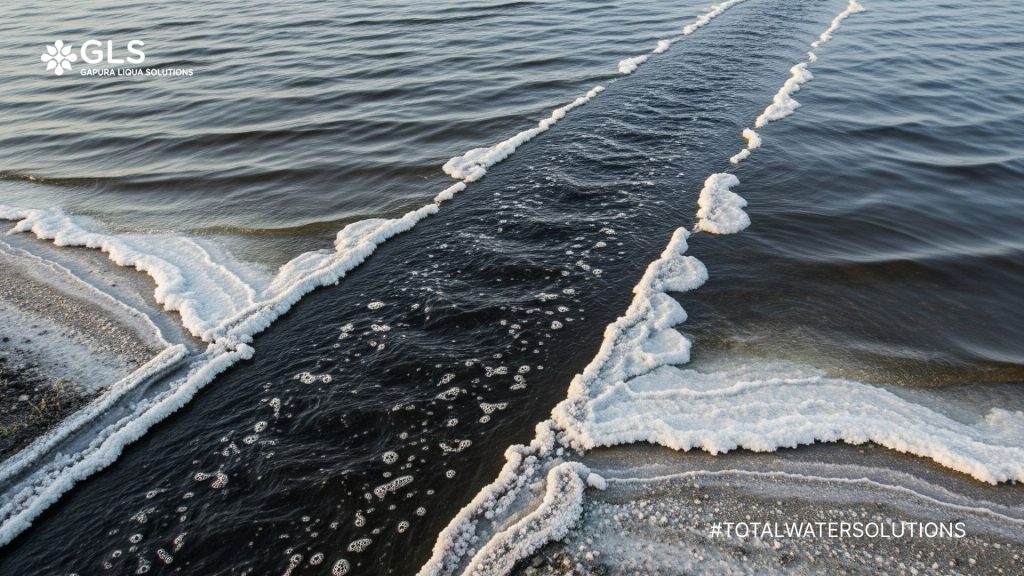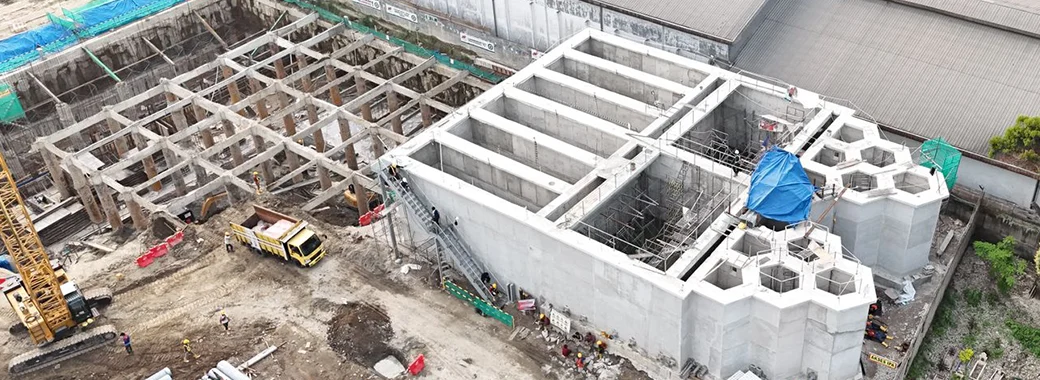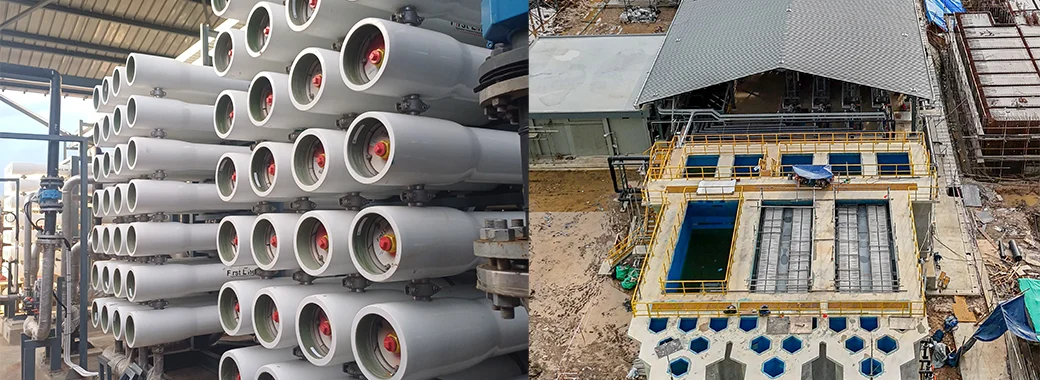
Side-by-side comparison illustrating seawater desalination plant and conventional river water treatment facility designed by PT Gapura Liqua Solutions.

Desalination vs Conventional Water Guide

Navigating Industrial Water Supply: desalination vs conventional water

Industrial facilities require a reliable water supply to maintain daily operations. Choosing between water sources is a critical decision for factory managers. Today, comparing desalination vs conventional water has become essential for long-term planning. Traditional sources like rivers and deep wells face growing environmental stress. Meanwhile, modern sea water treatment offers a climate-independent alternative for coastal industries.

Understanding Conventional Water Sources and Their Limitations

For decades, industries relied on rivers, lakes, and groundwater wells. These conventional sources provided abundant fresh water at a lower initial investment cost.

Ground Water and Surface Water Extraction

Surface water from rivers requires multi-stage filtration to remove suspended solids. Similarly, deep groundwater wells provide raw water for industrial processes. However, over-extracting groundwater leads to land subsidence and seawater intrusion. Guidelines from the Ministry of Public Works and Public Housing (PUPR) emphasize strict groundwater quotas for industrial zones.

Seasonal Volatility and Environmental Concerns

Conventional water sources are highly vulnerable to seasonal climate shifts. Dry seasons severely reduce river flow rates and lower water table levels. Consequently, factories risk production downtime during severe droughts. Regulatory frameworks from the Ministry of Environment and Forestry (KLHK) urge industries to reduce freshwater consumption.

The Rise of Seawater Desalination Solutions

To mitigate supply risks, modern industries increasingly adopt seawater desalination. Advanced membrane technology makes ocean water a viable utility source.

Seawater Reverse Osmosis (SWRO) Technology

Seawater Reverse Osmosis (SWRO) removes dissolved salts and impurities from seawater. High-pressure pumps force water through semi-permeable membranes to generate pure water. Energy Recovery Devices (ERD) have reduced the power consumption of SWRO plants. As a result, seawater desalination has become cost-effective for coastal facilities.

Securing Uninterrupted Supply for Industrial Operations

Ocean water provides an unlimited raw water source for industrial sites. Unlike rivers, seawater availability is completely independent of weather patterns. Therefore, desalination guarantees continuous factory operation year-round. Investing in SWRO protects companies from water scarcity risks.

PT Gapura Liqua Solutions as Your Strategic Partner

Building a modern water treatment plant requires deep engineering expertise. Selecting the right partner ensures maximum return on your infrastructure investment.

Engineering, Procurement, and Construction (EPC) Services

As a leading water treatment specialist, PT. Gapura Liqua Solutions offers end-to-end EPC services. We analyze raw water quality and design custom treatment systems. Our engineering team delivers reliable SWRO and brackish water treatment plants. We ensure every project complies with national environmental standards.

Long-Term Operation and Maintenance (O&M) Support

We also provide complete Operation and Maintenance (O&M) management for industrial clients. Our certified technicians monitor membrane performance and conduct routine chemical cleanings. This comprehensive support allows factory managers to focus on core business goals. Explore our latest engineering projects on the PT. Gapura Liqua Solutions LinkedIn page.

Conclusion

Evaluating desalination vs conventional water is vital for resilient industrial operations. Conventional sources carry rising environmental risks and seasonal supply fluctuations. In contrast, seawater desalination delivers a stable, climate-proof water utility. Partnering with PT Gapura Liqua Solutions ensures your facility achieves water security and long-term sustainability.

FAQ Section

Q1: What is the main operational difference between seawater desalination and conventional water supply? A: Conventional water relies on freshwater sources like rivers or wells, which fluctuate seasonally. Desalination uses abundant ocean water, providing an uninterrupted, climate-proof water supply for industrial facilities.

Q2: Is seawater desalination more expensive than using river or well water? A: Initial capital costs for SWRO plants are higher. However, modern Energy Recovery Devices drastically lower energy costs. Desalination eliminates risk of factory downtime caused by drought or regulatory restrictions on groundwater.

Q3: How does PT Gapura Liqua Solutions assist industrial clients in adopting desalination? A: PT Gapura Liqua Solutions provides complete end-to-end engineering, procurement, construction (EPC), and long-term O&M services. We design custom SWRO systems tailored to your facility’s exact capacity and water purity requirements.

Follow us on Social Media

Facebook Instagram LinkedIn
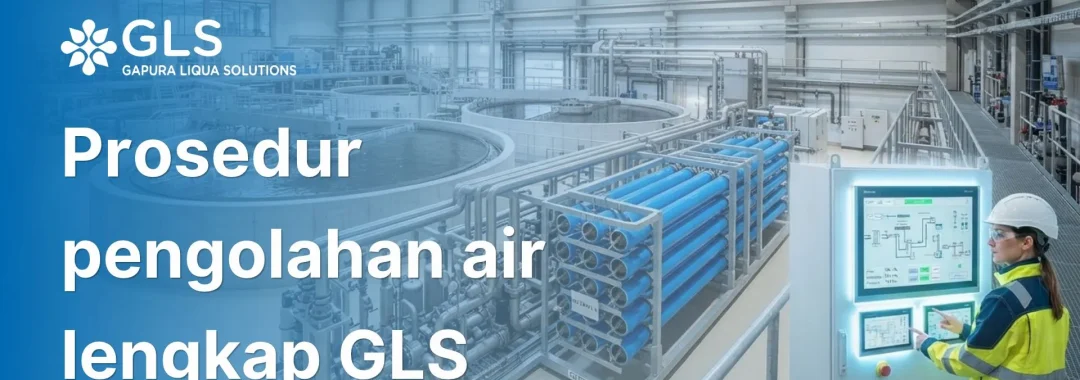
Diagram dan instalasi prosedur pengolahan air lengkap berteknologi tinggi yang dirancang oleh PT Gapura Liqua Solutions untuk fasilitas industri.

Prosedur pengolahan air lengkap GLS

Memahami prosedur pengolahan air lengkap untuk Industri

Air bersih merupakan kebutuhan mutlak bagi operasional industri. Berbagai sektor seperti manufaktur dan pembangkit listrik sangat bergantung pada air. Namun, sumber air mentah selalu mengandung berbagai kontaminan. Oleh karena itu, menerapkan prosedur pengolahan air lengkap menjadi prioritas utama. Langkah ini memastikan air olahan memenuhi standar ketat. Sistem pemurnian yang tepat dapat mencegah kerusakan mesin industri. Selain itu, efisiensi energi dan kepatuhan lingkungan juga tetap terjaga.

Tahapan Utama dalam prosedur pengolahan air lengkap

Proses pemurnian air tidak dilakukan dalam satu langkah saja. Terdapat serangkaian tahapan berurutan yang saling mendukung.

Intake dan Pengolahan Awal (Pre-Treatment)

Tahap pertama dimulai dengan pengambilan air mentah melalui fasilitas intake. Air dialirkan melewati penyaring fisik (bar screen). Proses ini memisahkan sampah besar seperti ranting dan plastik. Selanjutnya, air memasuki tangki ekualisasi untuk menyelaraskan debit. Pedoman dari Kementerian Pekerjaan Umum dan Perumahan Rakyat (PUPR) menekankan pentingnya pra-pengolahan. Efektivitas tahap ini menentukan masa pakai media filtrasi berikutnya.

Koagulasi, Flokulasi, dan Sedimentasi

Air mentah masih mengandung partikel koloid halus. Oleh sebab itu, bahan kimia koagulan ditambahkan ke dalam air. Bahan ini bertugas menetralkan muatan listrik partikel. Selanjutnya, pengadukan lambat (flokulasi) membuat partikel menggumpal menjadi flok. Air kemudian dialirkan ke dalam tangki sedimentasi. Gumpalan flok akan mengendap ke dasar tangki secara alami. Proses ini menghasilkan air jernih di bagian atas tangki.

Pemurnian Tingkat Lanjut dan Disinfeksi

Beberapa industri membutuhkan air dengan tingkat kemurnian sangat tinggi. Contohnya adalah industri semikonduktor dan pemutaran turbin boiler. Air jernih hasil pengendapan harus melalui filtrasi lanjutan.

Filtrasi Membran (Ultrafiltrasi & Reverse Osmosis)

Air dialirkan melewati media penyaring halus seperti sand filter. Langkah ini menghilangkan sisa kekeruhan dan bau pada air. Selanjutnya, teknologi pemisahan berbasis membran diterapkan secara presisi. Sistem Ultrafiltrasi (UF) bekerja menyaring bakteri dan virus. Sementara itu, desalinasi air laut atau Reverse Osmosis (RO) mereduksi kadar garam (TDS). Menjalankan prosedur pengolahan air lengkap berbasis membran memastikan air bebas kontaminan.

Sterilisasi dan Penyesuaian Kualitas Akhir

Tahap akhir dari pengolahan air adalah proses disinfeksi. Langkah ini bertujuan membunuh mikroorganisme patogen yang tersisa. Metode yang umum meliputi penyuntikan klorin atau sinar UV. Selain itu, penyesuaian pH dilakukan untuk mencegah korosi pipa. Pedoman dari Kementerian Lingkungan Hidup dan Kehutanan (KLHK) mewajibkan pemantauan kualitas air. Pemantauan dilakukan sebelum air dimanfaatkan kembali atau dibuang.

PT Gapura Liqua Solutions Sebagai Mitra Tata Air Terpadu

Mengatur instalasi pengolahan air memerlukan kepakaran teknik yang mendalam. Langkah ini memastikan investasi memberikan hasil yang optimal.

Perancangan Sistem Rekayasa dan EPC

Sebagai penyedia pengolahan air indonesia, PT. Gapura Liqua Solutions menghadirkan layanan terpadu. Kami melakukan analisis laboratorium terhadap air baku Anda. Tim kami merancang skema rekayasa dan melaksanakan konstruksi (EPC). Pendekatan terencana ini menghasilkan solusi yang tepat sasaran.

Operasional dan Pemeliharaan (O&M) Berkelanjutan

Kami juga menyediakan jasa Operasi dan Pemeliharaan (O&M) jangka panjang. Tim teknisi kami rutin memantau kinerja membran dan sistem. Kami juga melakukan chemical cleaning secara berkala. Hasilnya, Anda dapat fokus penuh pada aktivitas produksi utama. Pelajari dokumentasi proyek kami di halaman LinkedIn PT. Gapura Liqua Solutions.

Kesimpulan

Memahami dan mengaplikasikan prosedur pengolahan air lengkap adalah langkah strategis. Hal ini menjamin ketersediaan air bersih industri yang stabil. Setiap tahap memegang peranan penting dalam menghasilkan air murni. Oleh sebab itu, bermitra dengan konsultan air berpengalaman sangat dianjurkan. PT Gapura Liqua Solutions siap membantu fasilitas Anda mencapai efisiensi maksimal.

FAQ Section

Q1: Mengapa tahapan pra-pengolahan (pre-treatment) sangat penting dalam pengolahan air? A: Pra-pengolahan berfungsi menghilangkan partikel kasar, sampah, dan padatan tersuspensi sebelum air masuk ke sistem pemurnian utama. Tanpa pra-pengolahan yang baik, membran halus seperti Ultrafiltrasi atau Reverse Osmosis akan cepat mengalami penyumbatan (fouling) dan kerusakan.

Q2: Apa perbedaan utama antara proses koagulasi dan flokulasi? A: Koagulasi adalah proses penambahan bahan kimia untuk menetralkan muatan partikel halus sehingga dapat saling mendekat. Sementara itu, flokulasi adalah proses pengadukan lambat yang membantu partikel-partikel terdistribusi tersebut menggumpal menjadi flok berukuran lebih besar yang mudah diendapkan.

Q3: Bagaimana PT. Gapura Liqua Solutions membantu industri menentukan sistem pengolahan air yang tepat? A: PT. Gapura Liqua Solutions memulainya dengan analisis kualitas air baku dan studi kelayakan. Berdasarkan data laboratorium tersebut, tim insinyur kami merancang prosedur pengolahan yang disesuaikan dengan kebutuhan debit dan standar kualitas air yang diinginkan oleh fasilitas Anda.

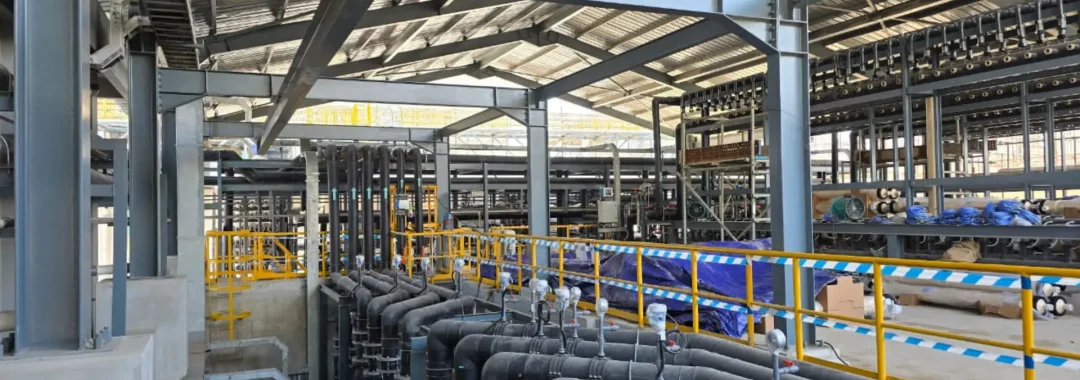
Interior of a large industrial water treatment facility in Indonesia, showcasing extensive piping and filtration systems with the GLS logo visible.

Seawater Treatment Company Indonesia for Industry

Choosing a Seawater Treatment Company in Indonesia: A Strategic Decision for Your Industry’s Future

Have you ever imagined a day without clean water—not just for drinking, but for the very machinery that drives your industry? In Indonesia, this is no longer a hypothetical question. With increasing water stress, industrial leaders face a critical choice. To secure operations and future-proof their business, the most strategic decision is to partner with an expert seawater treatment company in indonesia. This isn’t just about sourcing water; it’s about ensuring business continuity and transforming a critical risk into a competitive advantage.

Indonesia’s Water Risk & The Role of a Seawater Treatment Company

For industries located in coastal areas, the traditional reliance on groundwater is becoming increasingly unsustainable. Data from government bodies like the Ministry of Public Works and Public Housing (PUPR) has indicated a decline in both the quality and quantity of groundwater in several key industrial zones. This presents a direct threat to your operations.

Ignoring this challenge can lead to severe consequences:

  • Operational Downtime: A sudden shortage or contamination of your water supply can halt production entirely, resulting in massive financial losses.
  • Increased Production Costs: Relying on trucked-in water is logistically complex and exorbitantly expensive, directly impacting your bottom line.
  • Accelerated Equipment Failure: Using poor-quality water can cause scaling, corrosion, and fouling in your critical equipment, leading to costly repairs and premature replacements.

Therefore, the conversation about water is a conversation about the future resilience and profitability of your business.

Why Partnering with a Seawater Treatment Company in Indonesia is Now a Necessity

In this new reality, turning to the most abundant resource available—the sea—is the logical next step. However, desalination is a complex process that requires specialized expertise. This is why choosing the right seawater treatment company in indonesia is a crucial decision that offers strategic advantages.

Mitigating Operational Risk

A professional partner doesn’t just sell equipment; they provide a reliable, end-to-end solution. This includes proper system design, installation, and ongoing maintenance, which significantly reduces the risk of unexpected shutdowns and allows you to focus on your core business.

Achieving Long-Term Cost Control

While there is an initial investment, an on-site desalination plant provides a predictable, fixed cost for water. This is far more manageable than the volatile and ever-increasing costs of purchasing and transporting water, thereby providing you with better control over your operational budget.

Ensuring Sustainable & Compliant Operations

A reputable company will design a system that not only meets your water quality needs but also adheres to environmental regulations set by bodies like the Ministry of Environment and Forestry (KLHK), particularly concerning the management of brine (saltwater concentrate).

Vetting a Seawater Treatment Company in Indonesia: Key Criteria

Not all providers are created equal. As a decision-maker, your procurement process should vet potential partners on several key criteria.

Proven Technical Expertise (Desalination & High-TDS Water)

Your partner must have deep, proven expertise in desalination technologies like Seawater Reverse Osmosis (SWRO). Furthermore, their expertise should extend to all forms of high-TDS water, including brackish water, offering solutions like BWRO systems. This demonstrates a comprehensive understanding of membrane technology.

Comprehensive, End-to-End Solutions

Look for a company that offers more than just hardware. A true partner provides turnkey solutions: from initial water analysis and system design to installation, commissioning, and long-term operational and maintenance support. This is the core of our philosophy at PT. GLS—we handle your water so you can handle your business.

Understanding of Local Indonesian Regulations

An experienced seawater treatment company in indonesia will be well-versed in local standards, such as the drinking water quality guidelines set by the Ministry of Health (Permenkes). This ensures that the water produced is fully compliant and safe for its intended use.

Conclusion: Why PT. GLS is The Right Seawater Treatment Company in Indonesia for You

Talking about water today is, in fact, determining the future of your industry tomorrow. It’s about shifting from a reactive mindset of simply using water to a proactive strategy of managing it as a critical asset.

At PT. Gapura Liqua Solutions (GLS), we are the leading seawater treatment company in indonesia dedicated to this philosophy. We don’t just provide equipment; we deliver water security. Our services, from full-scale Seawater Desalination plants to innovative resource recovery systems, are designed to make your business more resilient, sustainable, and profitable.

  • Let’s discuss a long-term strategy for your water security. Contact Us for an in-depth consultation with our engineering team.
  • For immediate needs of components or consumables, you can visit our official store to Buy Now.

Frequently Asked Questions (FAQ)

1. What is the first step to starting a seawater desalination project for our facility? The first step is a comprehensive consultation and site assessment. An expert team will analyze your raw water quality, determine your exact water demand, and evaluate the site conditions to propose a custom-designed system.

2. How long does it take to install an industrial seawater treatment plant? The timeline varies depending on the capacity and complexity of the system. A smaller, skid-mounted commercial system might take a few months, while a large-scale industrial plant could take over a year from design to commissioning.

3. What kind of after-sales support does PT. GLS offer? We offer comprehensive after-sales support, including scheduled preventative maintenance, emergency service calls, operational support, and supply of all necessary consumables like chemicals and replacement membranes to ensure your system runs at peak efficiency.

4. Is desalination environmentally friendly? Modern desalination, when managed by a responsible company, is designed to be environmentally conscious. Key features include high-efficiency pumps and Energy Recovery Devices (ERDs) to minimize energy consumption, and properly designed brine disposal systems to protect the marine ecosystem in accordance with local regulations.

Follow us on Social Media

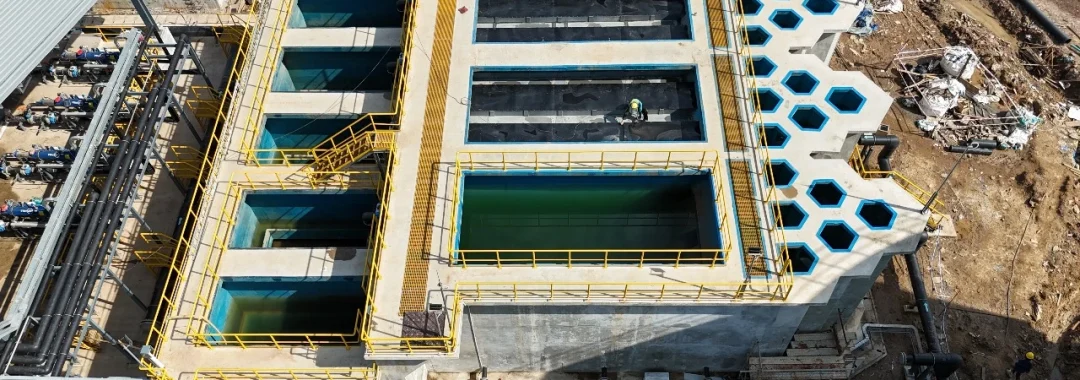
Aerial view of the PT GLS desalination plant at the PT MMP nickel smelter site, showing the large ultrafiltration (UF) pre-treatment basins and industrial piping systems during the final stages of construction.

GLS Completes Desalination Project 6210 CMD

PT Gapura Liqua Solutions (GLS) is proud to announce a major milestone in building a more self-reliant Indonesia.

GLS completes desalination project for a national strategic initiative with our partner, PT Mitra Murni Perkasa (MMP). MMP is Indonesia’s first high-grade nickel matte smelter and is fully owned by domestic investors.

Continue reading→
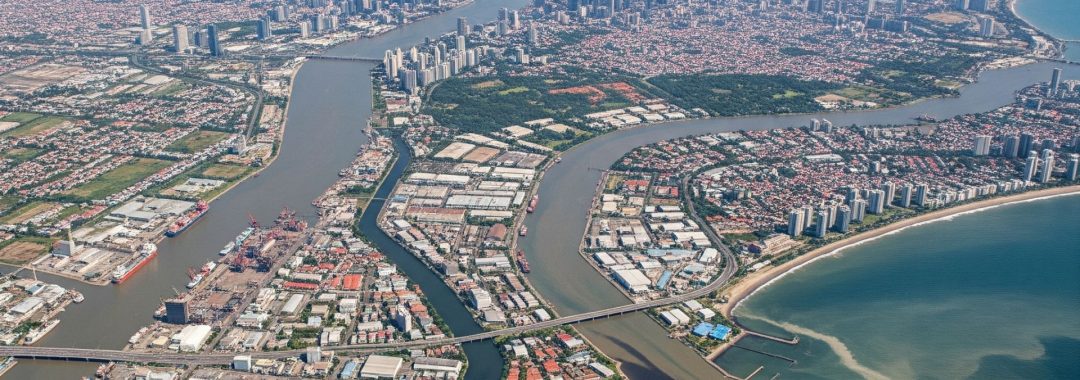
A wide, zoomed-out aerial photograph of Jakarta's coastline, showing the vast urban sprawl of the city meeting the Java Sea, with rivers and canals flowing into the ocean.

Wastewater salinity challenges Indonesia | A Technical Guide

Navigating High Salinity Wastewater Challenges in Indonesia’s Oil and Gas Sector

For professionals in Indonesia’s robust oil and gas, paper, and power generation industries, managing water is a constant operational imperative. Indeed, among the most complex issues are the wastewater salinity challenges Indonesia faces. This problem presents a significant operational hurdle that directly impacts equipment lifespan, production efficiency, and overall profitability. Therefore, this is not just a matter of environmental compliance, but a core business concern.

As Indonesian industries continue to expand and environmental regulations become more stringent, understanding these challenges is more critical than ever. Consequently, this guide will explore the technical difficulties, the economic impacts, and the advanced Water Treatment solutions available. These solutions can turn this challenge into a manageable and even valuable part of your operations.

What is High Salinity Wastewater and Why is it a Critical Issue?

High salinity wastewater is water discharged from an industrial process. It typically contains a significant concentration of dissolved salts, primarily sodium chloride. Its sources are varied and present across multiple heavy industries in Indonesia.

Defining Salinity in an Industrial Context: From Produced Water to Brine

For instance, in the oil and gas sector, the primary source is “produced water.” This is naturally occurring water from underground reservoirs that comes to the surface during extraction. This water can be many times saltier than seawater. In other applications, like power plants with cooling towers, the “blowdown” water becomes progressively more saline as pure water evaporates. Similarly, the Desalination process creates fresh water but also inherently produces a highly concentrated salt stream known as brine.

The Corrosive Impact on Equipment and Infrastructure Integrity

The most immediate and damaging effect of high salinity is corrosion. Specifically, the high concentration of chloride ions aggressively attacks metal surfaces. This attack leads to the rapid degradation of carbon steel pipes, pumps, valves, and heat exchangers. Ultimately, this corrosion shortens equipment lifespan and necessitates frequent, costly repairs. It also poses a significant risk of leaks and unplanned shutdowns, directly impacting production targets and operational safety.

Top 3 Technical Challenges Posed by High Salinity Effluents

High salinity industrial wastewater being discharged into a body of water, showing the stark contrast between the dark, murky effluent and the surrounding water, with visible salt deposits and dead aquatic life, highlighting the ecological damage.

Beyond corrosion, the technical difficulties of handling this wastewater stream are multifaceted. In fact, they can disrupt entire operational systems.

Challenge 1: Compromised Biological Wastewater Treatment Systems

Many industrial facilities rely on biological treatment plants (WWTP) to break down organic contaminants. However, the microorganisms responsible for this process are highly sensitive to saline conditions. High salt levels create osmotic stress, which dehydrates and kills these beneficial microbes. As a result, the entire biological treatment process can fail, leading to non-compliant discharge and the inability to treat other pollutants.

Challenge 2: Increased Scaling and Fouling in Critical Equipment

High concentrations of dissolved salts, particularly calcium and magnesium, cause severe mineral scaling. This buildup occurs inside pipes, boilers, and cooling water systems and acts as an insulator. This drastically reduces heat transfer efficiency and requires more energy to achieve desired temperatures. In addition, it constricts flow, which leads to higher pumping costs. Furthermore, it causes fouling on sensitive equipment like membranes, rendering them ineffective.

Challenge 3: Meeting Strict Indonesian Environmental Discharge Regulations

The Indonesian Ministry of Environment and Forestry (KLHK) enforces strict regulations on discharged industrial effluent. The ministry tightly controls parameters like Total Dissolved Solids (TDS), conductivity, and specific ion concentrations. For facilities generating high salinity wastewater, meeting these limits without advanced treatment is nearly impossible. This poses a constant risk of heavy fines and legal action. Therefore, successfully navigating the wastewater salinity challenges Indonesia has codified in its environmental laws is not just an operational goal, but a legal necessity.

The Economic Burden: Analyzing the True Cost of Saline Wastewater

The wastewater salinity challenges Indonesia presents are not just technical. They also carry a significant economic burden that extends far beyond regulatory penalties, creating a cascade of direct and indirect costs that affect the bottom line.

Beyond Fees: The Hidden Expense of Brine Transportation Costs

For facilities unable to treat their saline wastewater on-site, the only option is often transporting it. They must send it to a licensed third-party disposal facility. The associated brine transportation costs are substantial. This process involves hiring specialized tanker trucks and certified drivers. Moreover, it includes paying per-kilometer rates, all of which add up to a significant operational expense, especially for remote oil and gas sites.

Operational Inefficiencies and Production Downtime

The cumulative effect of corrosion, scaling, and equipment failure reduces operational efficiency. As a result, energy consumption increases, maintenance schedules become more frequent, and the risk of unplanned shutdowns grows. Every hour of lost production due to a water-related issue is a direct loss of revenue.

Answering Key Industry Questions on High Salinity Wastewater

Professionals in the field often face recurring questions when developing a management strategy.

How does salinity affect water treatment processes?

Salinity fundamentally complicates most conventional water treatment methods. For example, it inhibits biological processes and increases the potential for scaling on physical-chemical systems. In addition, it requires high-pressure, energy-intensive membrane systems like reverse osmosis (RO) to effectively remove dissolved salts.

What are the primary sources in the Oil & Gas and Paper Industries?

In Oil & Gas, the main source is produced water. In the pulp and paper industry, the chemical pulping process generates high salinity wastewater. The caustic washing and bleaching stages also produce it, as various salts are used and concentrated there.

Can saline wastewater be recycled or reused?

Yes, but it requires advanced treatment. By implementing robust desalination and purification technologies, facilities can recover and reuse the water component. This recovered water is suitable for high-quality process water, boiler feed water, or utility purposes. This, in turn, reduces reliance on fresh water sources and can significantly lower operational costs. To learn more about this process, Read More.

Advanced Solutions: Modern Approaches to Water Treatment in Indonesia

Fortunately, technology has evolved to provide effective and economically viable solutions. Modern approaches to the wastewater salinity challenges Indonesia’s industries face shift the paradigm from “disposal” to “recovery.”

Robust Pre-Treatment for Downstream Protection

Any successful treatment system for saline water begins with effective pre-treatment. Engineers design this stage to remove oils, grease, suspended solids, and other contaminants. These materials could otherwise foul downstream equipment. Therefore, technologies like dissolved air flotation (DAF) and ultrafiltration (UF) are critical for preparing the water for salt removal.

High-Rejection Membrane Technology: The Role of Desalination

At the core of modern saline water treatment, you will find reverse osmosis (RO). These high-pressure membrane systems can reject over 99% of dissolved salts. Consequently, they produce a stream of high-purity water for reuse and a concentrated brine stream. This technology is the key to both compliance and water recycling.

Towards ZLD (Zero Liquid Discharge): Turning Waste into a Resource

For the ultimate solution in sustainability, facilities can aim for Zero Liquid Discharge (ZLD). In a ZLD system, technologies like brine concentrators and crystallizers further treat the brine concentrate from the RO system. This process recovers even more water and reduces the final waste product to a solid salt cake. In some cases, this cake can be sold for industrial use, which eliminates disposal costs entirely and creates a new revenue stream.

Your Partner in Overcoming Water Treatment Challenges

The complexities of high salinity wastewater demand expert analysis and robust, reliable solutions. Whether you are dealing with produced water, cooling tower blowdown, or industrial brine, a tailored approach is essential for success.

Ultimately, a well-designed water treatment system is the key to overcoming the wastewater salinity challenges Indonesia presents. Such a system protects your assets, ensures environmental compliance, and significantly reduces your long-term operational costs. If your facility is facing these challenges, it’s time to explore a comprehensive solution.

To discuss your specific needs and learn how advanced technology can solve your water treatment problems, contact our team of experts today.

Follow us on Social Media

Brayan Water Treatment Plant Project 500 LPS

Brayan Water Treatment Plant Project 500 LPS

PT Gapura Liqua Solutions (PT GLS) has been chosen to build a water treatment plant for PT Adaro Tirta Brayan, in Brayan a city in Medan, North Sumatra. Continue reading→

Project Mitra Murni Perkasa Seawater RO 6210 m3/day

Project Mitra Murni Perkasa Seawater RO 6210 m3/day

In accordance to President Instruction, stating that raw materials should be processed before exporting, GLS just got awarded contract that supports this policy. Continue reading→