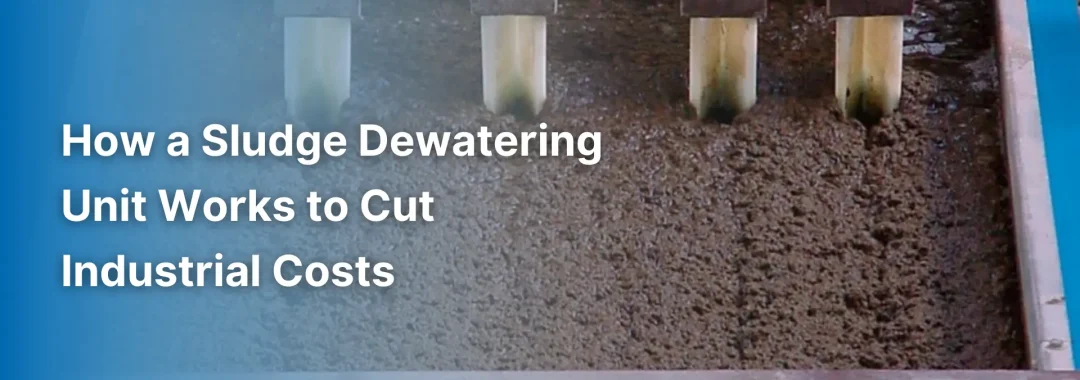
An industrial engineer inspecting a modern system to ensure the sludge dewatering unit works perfectly for volume reduction

Sludge Dewatering Unit Works Explained

How a Sludge Dewatering Unit Works to Cut Industrial Costs

For industrial facility managers in Indonesia, wastewater treatment generates a massive byproduct: liquid sludge. Consequently, handling, transporting, and disposing of this heavy, water-logged waste creates a severe financial burden. Therefore, implementing advanced mechanical separation is not just an option; it is a critical necessity. Understanding exactly how a sludge dewatering unit works provides the foundation for optimizing your plant’s efficiency and achieving strict environmental compliance.

Furthermore, integrating advanced solid-liquid separation serves as a foundational step toward sustainable manufacturing. By converting liquid liabilities into manageable solids, businesses can protect their bottom line.

The Problem with High-Volume Liquid Waste

Factories across the manufacturing, food, and petrochemical sectors continuously generate heavy effluent. Often, standard clarifiers produce a sludge that contains up to 98% water. Therefore, managing this waste stream effectively becomes a top priority for procurement teams.

Environmental and Financial Impacts

Transporting liquid waste is incredibly expensive because companies essentially pay to move water. Moreover, environmental regulations in Indonesia heavily penalize improper disposal of wet sludge. High moisture content increases the risk of toxic leaching and foul odors. Subsequently, facilities face a high risk of regulatory failure and environmental penalties if these parameters remain unchecked. Thus, a proactive approach to volume reduction is mandatory.

Understanding How a Sludge Dewatering Unit Works

To resolve these logistical nightmares, engineers utilize mechanical dewatering. Specifically, a sludge dewatering unit works by applying force to separate the water from the solid particles, creating a dry “cake.”

The Role of Chemical Conditioning

The mechanics behind this process begin with chemistry. First, the system injects specialized polymers into the liquid sludge. Next, these chemicals cause the microscopic solid particles to clump together in a process called flocculation. Because these larger flocs release trapped water more easily, chemical conditioning is absolutely vital. Ultimately, when a sludge dewatering unit works efficiently, it relies heavily on this precise chemical pre-treatment to maximize water extraction.

Mechanical Separation Technologies

Following chemical dosing, the thickened sludge enters the mechanical phase. Several technologies exist, including filter presses, decanter centrifuges, and multi-disc screw presses. For instance, a filter press uses high-pressure hydraulic plates to squeeze the water out through porous cloths. Alternatively, a centrifuge spins the waste at high speeds, using centrifugal force to push the heavier solids outward. Regardless of the specific machinery, the sludge dewatering unit works to transform a watery mess into a stackable, solid cake, thereby reducing total waste volume by up to 80%. You can explore more about this topic in our comprehensive guide on Sludge Dewatering Equipment.

Integrating Dewatering with Advanced Water Systems

By extracting the water from the sludge, facilities can route the recovered liquid back to the head of the wastewater treatment plant. Consequently, this recovered water can undergo further polishing. For example, feeding cleaner recovered water significantly enhances BWRO membrane performance. Additionally, understanding the advantages of RO systems highlights the necessity of excellent pre-treatment. Should your facility require maintenance for these polishing stages, securing high-quality Reverse Osmosis Membrane elements is critical for maintaining consistent flow rates.

Partnering with PT. Gapura Liqua Solutions

Sourcing reliable equipment and expert engineering remains a top priority for decision-makers. Therefore, PT. Gapura Liqua Solutions (GLS) offers comprehensive engineering, procurement, and construction (EPC) services. We tailor every installation to meet your specific effluent chemistry.

Additionally, we provide easy access to critical spare parts and consumables via our official Tokopedia store. Furthermore, you can view our successful, real-world implementations through our recent LinkedIn project updates, which thoroughly showcase our commitment to engineering excellence.

Conclusion

Ultimately, establishing a modern solid-liquid separation system secures your facility’s operational future and environmental standing. Because a sludge dewatering unit works to drastically cut disposal costs, it delivers an exceptional return on investment. PT. Gapura Liqua Solutions acts as your ideal expert partner in this critical journey. We explicitly link our expertise in seawater desalination, advanced resource recovery, and long-term operations to guarantee your facility’s success. Therefore, contact PT. Gapura Liqua Solutions today to discuss your next water treatment project and achieve total operational peace of mind.

FAQ

Q: How much can a sludge dewatering unit reduce my waste volume? A: By extracting water from the liquid sludge, a mechanical dewatering unit can reduce the total volume of your waste by 70% to 80%. Consequently, this drastically lowers transportation and tipping fees at disposal sites.

Q: Does the dewatering process require chemicals? A: Yes. Most systems require the addition of polymer flocculants. Specifically, these chemicals bind the small solid particles together, allowing the mechanical press or centrifuge to squeeze out the water much more effectively.

Q: What happens to the water that is squeezed out of the sludge? A: The extracted water, known as filtrate or centrate, is highly concentrated with dissolved organics. Therefore, it is typically routed back to the front of your wastewater treatment plant for proper biological treatment and polishing.

Q: Can GLS integrate a dewatering system into an existing wastewater plant? A: Absolutely. PT. Gapura Liqua Solutions specializes in retrofitting and upgrading existing infrastructure. We can seamlessly integrate a filter press or screw press into your current flow path to solve specific compliance issues and optimize resource recovery.
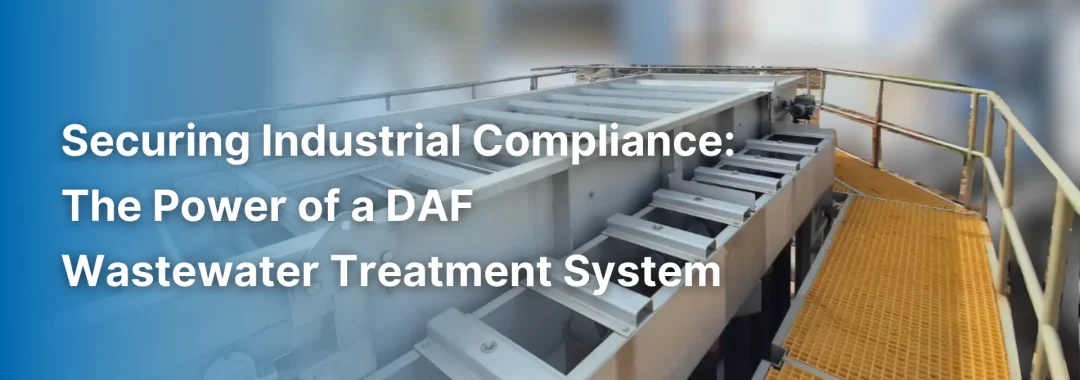
An industrial engineer inspecting a highly efficient DAF wastewater treatment system to ensure proper removal of suspended solids and fats.

DAF Wastewater Treatment System Experts

Securing Industrial Compliance: The Power of a DAF Wastewater Treatment System

Industrial facility managers constantly face the challenge of meeting stringent effluent discharge limits. Consequently, managing fats, oils, and grease (FOG) alongside heavy total suspended solids (TSS) requires robust technology. Implementing a reliable DAF wastewater treatment system provides an effective, solution-driven answer to these operational hurdles. Indeed, this specialized technology separates contaminants efficiently, ensuring strict environmental compliance while optimizing overall plant performance.

Furthermore, integrating advanced primary treatment is no longer a luxury for modern factories. Instead, it serves as the foundational step toward sustainable resource recovery and operational longevity.

Overcoming Industrial Effluent Challenges

Factories across the food, beverage, and petrochemical sectors generate heavily polluted water. Therefore, managing this waste stream effectively becomes a top priority for procurement and facility teams.

The Burden of High TSS and FOG

Conventional settling clarifiers often fail to remove lighter particles and emulsified oils. Because these contaminants do not settle via gravity, they easily pass through standard settling tanks. Subsequently, heavy organic loads disrupt downstream biological processes. High concentrations of FOG can coat biological flocs, essentially starving the beneficial bacteria of oxygen. Thus, facilities face a high risk of regulatory failure and environmental penalties if these parameters remain unchecked.

How a DAF Wastewater Treatment System Drives Efficiency

To resolve these settling issues, engineers utilize Dissolved Air Flotation (DAF). Specifically, a DAF wastewater treatment system floats contaminants to the surface rather than waiting for them to sink.

The Science of Microbubble Flotation

The mechanics behind this process are highly efficient. First, the system dissolves air into a recycled stream of water under high pressure. Next, releasing this pressurized water into the main flotation tank creates millions of microscopic bubbles. These tiny bubbles attach directly to the chemically dosed suspended particles. Ultimately, the buoyancy of the bubbles floats the flocculated sludge to the surface, where mechanical skimmers easily remove it. For further technical reading, we detail exactly how DAF system works for wastewater on our dedicated resources page.

Protecting Downstream Membrane Assets

By removing heavy particulate loads early, the DAF unit effectively protects downstream filtration assets. For instance, feeding cleaner water significantly enhances BWRO membrane performance. Additionally, understanding the advantages of RO systems highlights the absolute necessity of excellent pre-treatment to prevent premature fouling. Should your facility require maintenance, securing high-quality Reverse Osmosis Membrane elements is critical for maintaining flow rates.

Guaranteeing Regulatory Compliance and Operational Continuity

Environmental agencies in Indonesia strictly monitor industrial discharge. Thus, utilizing a proper DAF unit wastewater treatment for compliance helps facilities avoid heavy fines and operational shutdowns. Moreover, integrating this robust separation technology promotes resource recovery. Facilities can safely recycle polished effluent back into cooling towers or washing stations, drastically lowering daily water consumption.

Partnering with Gapura Liqua Solutions

Sourcing reliable equipment and expert engineering remains a top priority for decision-makers. Therefore, PT. Gapura Liqua Solutions (GLS) offers comprehensive engineering, procurement, and construction (EPC) services. We tailor every installation to meet your specific effluent chemistry.

Additionally, we provide easy access to critical spare parts and consumables via our official Tokopedia store. Furthermore, you can view our successful, real-world implementations through our recent LinkedIn project updates, showcasing our commitment to engineering excellence.

Conclusion

Ultimately, establishing a modern DAF wastewater treatment system secures your facility’s operational future and environmental standing. PT. Gapura Liqua Solutions acts as your ideal expert partner in this critical journey. We explicitly link our expertise in seawater desalination, advanced resource recovery, and long-term operations to guarantee your facility’s success. Therefore, contact PT. Gapura Liqua Solutions today to discuss your next water treatment project and achieve total operational peace of mind.

FAQ

Q: What types of contaminants does a DAF system remove most effectively? A: A DAF system excels at removing low-density particulates that do not settle easily via gravity. Specifically, it highly effectively removes Fats, Oils, and Grease (FOG), total suspended solids (TSS), and light biological sludges from industrial effluent.

Q: How does a DAF system protect my Reverse Osmosis (RO) membranes? A: By acting as a robust primary pre-treatment step, the DAF unit drastically reduces the particulate and organic load in the water. Consequently, this prevents premature clogging and organic fouling of downstream ultrafiltration and RO membranes, saving significant maintenance costs.

Q: Do I need chemical dosing for a DAF system to work? A: Yes, in most industrial applications. Adding coagulants and flocculants binds smaller particles together into larger flocs. Subsequently, the microbubbles can easily attach to these larger flocs, significantly increasing the overall removal efficiency of the system.

Q: Can GLS integrate a DAF unit into my existing wastewater treatment plant? A: Absolutely. PT. Gapura Liqua Solutions specializes in upgrading existing infrastructure. We can seamlessly integrate a DAF unit into your current flow path to solve specific compliance issues or increase your overall treatment capacity.

Follow us on Social Media

Facebook Gapura Liqua - DAF wastewater treatment system Instagram Gapura Liqua - DAF wastewater treatment system LinkedIn Gapura Liqua - DAF wastewater treatment system
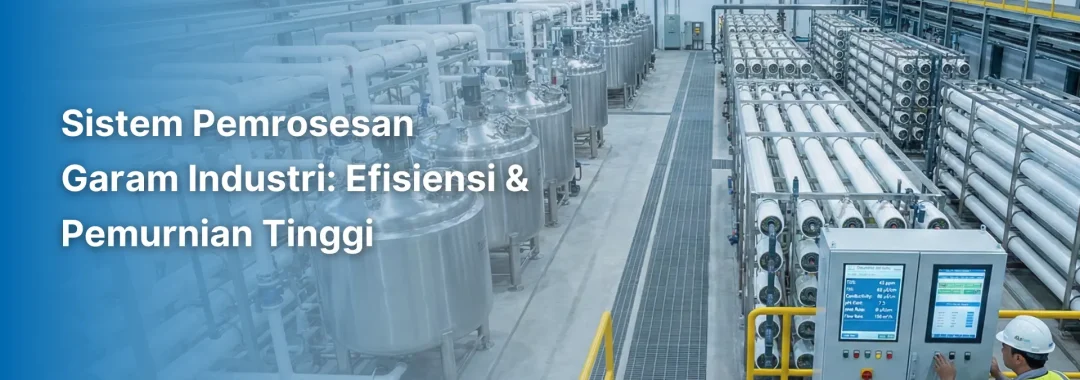
Teknisi memeriksa sistem pemrosesan garam industri dan membran RO di fasilitas water treatment modern.

Sistem Pemrosesan Garam Industri: Efisiensi & Pemurnian Tinggi

Sistem Pemrosesan Garam Industri: Kunci Efisiensi dan Resource Recovery

Bagi para pemangku kepentingan di sektor manufaktur dan fasilitas industri, sistem pemrosesan garam industri bukan sekadar pelengkap utilitas, melainkan aset strategis. Di tengah ketatnya regulasi lingkungan dan kebutuhan efisiensi biaya, kemampuan untuk mengelola air asin (brine) dan memurnikan garam industri menjadi penentu keberlanjutan operasional.

Artikel ini akan mengupas tuntas bagaimana teknologi pemrosesan yang tepat dapat meningkatkan profitabilitas Anda dan mengapa bermitra dengan ahli yang tepat adalah keputusan investasi terbaik.

Tantangan Utama dalam Pengelolaan Garam dan Brine Industri

Industri kimia, tekstil, hingga makanan dan minuman sering kali menghadapi tantangan ganda: kebutuhan akan pasokan garam industri berkualitas tinggi dan kewajiban mengelola limbah brine hasil sampingan dari proses desalinasi atau manufaktur.

Tanpa sistem pemrosesan garam industri yang andal, perusahaan menghadapi risiko operasional yang signifikan. Fluktuasi kualitas air baku dapat mengganggu proses produksi, sementara pembuangan limbah air asin yang tidak sesuai standar dapat berujung pada sanksi lingkungan yang berat.

Risiko Inefisiensi pada Metode Konvensional

Metode penguapan kolam terbuka atau sistem termal konvensional sering kali memakan lahan luas dan energi yang sangat besar. Selain itu, metode ini sulit mencapai konsistensi kemurnian yang dibutuhkan oleh standar industri modern. Inefisiensi ini secara langsung menggerus margin keuntungan perusahaan akibat biaya energi yang membengkak dan downtime akibat perawatan peralatan yang terkorosi.

Komponen Vital dalam Sistem Pemrosesan Garam Industri Modern

Untuk menjawab tantangan tersebut, diperlukan pendekatan terintegrasi yang menggabungkan teknologi membran dan termal. Sistem pemrosesan garam industri modern dirancang untuk bekerja secara kontinyu dengan efisiensi energi yang optimal.

Peran Membran Reverse Osmosis dalam Prakonsentrasi

Langkah awal yang krusial dalam sistem ini adalah pemekatan larutan garam. Di sinilah peran teknologi membran menjadi sangat vital. Penggunaan teknologi Reverse Osmosis Membrane memungkinkan pemisahan air murni dari larutan garam secara efisien sebelum masuk ke tahap kristalisasi.

Dengan menggunakan membran berkualitas tinggi, volume air yang harus diuapkan dapat dikurangi secara drastis. Hal ini tidak hanya menghemat energi termal, tetapi juga mempercepat siklus produksi. Untuk aplikasi dengan salinitas air payau, pemahaman mengenai BWRO Membrane Performance sangat penting untuk memastikan sistem pra-perawatan berjalan optimal dan mencegah fouling dini pada sistem utama.

Teknologi Kristalisasi untuk Kemurnian Maksimal

Setelah melalui tahap prakonsentrasi, larutan garam jenuh (brine) akan masuk ke unit kristalisasi. Teknologi ini memisahkan kristal garam dari cairan induknya dengan presisi tinggi. Hasilnya adalah garam industri dengan tingkat kemurnian yang konsisten, siap digunakan kembali dalam proses produksi (seperti pada industri Klor-Alkali) atau dikemas sebagai produk bernilai jual.

Keunggulan sistem yang terintegrasi ini sejalan dengan keunggulan sistem air RO pada umumnya, yaitu modularitas, efisiensi ruang, dan kontrol kualitas yang ketat.

Mengubah Limbah Menjadi Nilai dengan Resource Recovery

Konsep ekonomi sirkular kini menjadi standar baru dalam manajemen fasilitas. Sistem pemrosesan garam industri yang canggih memungkinkan implementasi Zero Liquid Discharge (ZLD). Dalam skema ini, limbah cair brine dari instalasi Desalinasi Air Laut (SWRO) tidak dibuang kembali ke laut yang berpotensi merusak ekosistem, melainkan diolah lebih lanjut.

Melalui proses resource recovery, mineral berharga seperti natrium klorida, magnesium, atau litium dapat diekstraksi kembali. Ini mengubah pusat biaya (pengolahan limbah) menjadi pusat keuntungan (pemulihan bahan baku).

Catatan Penting: Implementasi teknologi ini memerlukan keahlian teknis mendalam, mulai dari desain proses hingga pemilihan material yang tahan korosi ekstrem.

Mengapa Memilih PT. Gapura Liqua Solutions sebagai Mitra Anda?

Memilih vendor untuk sistem pemrosesan garam industri adalah keputusan jangka panjang. Anda memerlukan mitra yang tidak hanya menjual alat, tetapi memberikan solusi end-to-end.

PT. Gapura Liqua Solutions (GLS) hadir sebagai mitra strategis bagi industri di Indonesia. Dengan keahlian inti dalam Seawater Reverse Osmosis (SWRO) dan pengolahan air payau, GLS menawarkan layanan lengkap mulai dari rekayasa (engineering), pengadaan (procurement), hingga operasional jangka panjang.

Mengapa GLS?

  • Fokus pada Bisnis Inti: Kami menangani utilitas air dan garam Anda, sehingga Anda bisa fokus sepenuhnya pada produksi utama tanpa pusing memikirkan ketersediaan air atau kepatuhan limbah.
  • Ketersediaan Suku Cadang: Dukungan purna jual yang kuat dengan ketersediaan komponen yang mudah diakses, termasuk melalui kanal digital resmi kami di Tokopedia.
  • Rekam Jejak Terbukti: GLS aktif terlibat dalam proyek-proyek strategis nasional dan industri swasta, memberikan solusi yang disesuaikan dengan kondisi air lokal di Indonesia.

Anda dapat melihat salah satu update terbaru mengenai aktivitas proyek dan wawasan industri kami melalui tautan berikut: LinkedIn Update GLS.

Kesimpulan

Investasi pada sistem pemrosesan garam industri yang andal adalah langkah krusial untuk mengamankan masa depan operasional pabrik Anda. Dari penghematan energi melalui membran RO hingga penciptaan nilai tambah melalui resource recovery, manfaatnya sangat nyata bagi bottom line perusahaan.

PT. Gapura Liqua Solutions siap menjadi mitra terpercaya Anda dalam mewujudkan sistem utilitas air dan pemrosesan garam yang efisien, patuh regulasi, dan menguntungkan. Jangan biarkan masalah kualitas air menghambat pertumbuhan bisnis Anda.

Apakah Anda siap meningkatkan efisiensi fasilitas Anda? Hubungi Kami untuk Konsultasi Gratis

FAQ Section

Q: Apa keuntungan utama menggunakan sistem pemrosesan garam industri modern dibandingkan metode tradisional? A: Sistem modern menawarkan efisiensi energi yang jauh lebih tinggi, jejak lahan (footprint) yang lebih kecil, kualitas produk garam yang konsisten dan kemurnian tinggi, serta kemampuan untuk mematuhi regulasi lingkungan yang ketat melalui Zero Liquid Discharge.

Q: Apakah sistem ini bisa diterapkan untuk mengolah air laut menjadi garam industri? A: Ya, sistem ini sangat ideal untuk diintegrasikan dengan Seawater Reverse Osmosis (SWRO). Brine (air buangan) dari SWRO yang biasanya dibuang dapat diproses lebih lanjut untuk menghasilkan garam industri, memaksimalkan pemanfaatan sumber daya.

Q: Bagaimana GLS menjamin keberlanjutan operasional sistem ini? A: GLS tidak hanya membangun sistem, tetapi menawarkan layanan operasional dan pemeliharaan jangka panjang. Kami memastikan pasokan suku cadang, monitoring kinerja membran, dan optimalisasi proses secara berkala agar klien dapat fokus pada bisnis inti mereka.

Q: Apakah GLS menyediakan suku cadang untuk sistem membran? A: Tentu. Kami menyediakan berbagai komponen vital seperti membran RO, pressure vessel, dan bahan kimia pendukung yang orisinal dan berkualitas tinggi.

Follow us on Social Media

Facebook Instagram LinkedIn
Pipa pembuangan air limbah industri yang keruh, mengilustrasikan urgensi sistem pengolahan limbah pabrik tekstil dan teknologi water recycle yang patuh regulasi dari Gapura Liqua Solutions.

Pengolahan limbah pabrik tekstil & Water Recycle

Pengolahan Limbah Pabrik Tekstil: Strategi Efisiensi dan Kepatuhan Regulasi

Industri tekstil dan garmen merupakan salah satu penyumbang terbesar bagi ekonomi manufaktur Indonesia. Namun, sektor ini juga dikenal memiliki jejak air yang masif. Bagi pemilik pabrik dan manajer fasilitas, pengolahan limbah pabrik tekstil bukan lagi sekadar kewajiban administratif, melainkan benteng pertahanan operasional. Kegagalan dalam mengelola air limbah dapat berujung pada sanksi berat, pencabutan izin, hingga penutupan paksa akibat pencemaran lingkungan.

PT. Gapura Liqua Solutions (GLS) memahami bahwa tantangan Anda bukan hanya membuang air, tetapi bagaimana mengelolanya secara efisien agar tidak membebani biaya produksi (cost of production).

Tantangan Utama dalam Pengolahan Limbah Pabrik Tekstil

Air limbah tekstil memiliki karakteristik yang kompleks dan fluktuatif, tergantung pada proses produksi seperti pencelupan (dyeing), pencucian (washing), atau finishing. Oleh karena itu, pendekatan pengolahan limbah pabrik tekstil yang konvensional sering kali gagal memenuhi standar modern.

Menangani Beban Organik dan Zat Warna

Masalah terbesar dalam limbah tekstil adalah tingginya kadar Chemical Oxygen Demand (COD) dan zat warna sintetis yang sulit terurai. Pewarna azo, misalnya, tidak dapat dihilangkan sepenuhnya hanya dengan sedimentasi fisik. Jika sistem biologi Anda tidak optimal, efluen yang dihasilkan akan tetap berwarna pekat, yang menjadi indikator visual utama pencemaran bagi inspektur lingkungan.

Kepatuhan Terhadap Standar Baku Mutu Baru

Pemerintah Indonesia, melalui Kementerian Lingkungan Hidup dan Kehutanan (KLHK), terus memperketat baku mutu air limbah. Pengolahan limbah pabrik tekstil harus mampu menurunkan parameter polutan hingga ke level yang sangat rendah. Ketidakmampuan menyesuaikan diri dengan regulasi ini menempatkan perusahaan pada risiko peringkat PROPER Merah atau Hitam, yang berdampak buruk pada reputasi bisnis di mata pembeli internasional.

Solusi Modern untuk Pengolahan Limbah Pabrik Tekstil

Menghadapi tantangan tersebut, teknologi konvensional perlu ditingkatkan. Solusi masa depan tidak hanya membuang air, tetapi memanfaatkannya kembali (resource recovery).

Teknologi Membran untuk Water Recycle

Salah satu metode paling efektif dalam pengolahan limbah pabrik tekstil modern adalah integrasi teknologi membran. Dengan menggunakan Ultrafiltrasi (UF) dan Reverse Osmosis Membrane, pabrik dapat memproses kembali air limbah yang sudah diolah menjadi air proses berkualitas tinggi.

Langkah ini menawarkan dua keuntungan sekaligus: mengurangi volume limbah cair yang dibuang ke sungai dan memangkas biaya pembelian air baku secara drastis. Dalam banyak kasus, pabrik tekstil dapat mendaur ulang hingga 70% air limbah mereka.

Menuju Zero Liquid Discharge (ZLD)

Bagi industri yang berada di zona merah atau area dengan kelangkaan air ekstrem, konsep Zero Liquid Discharge (ZLD) menjadi relevan. Dalam sistem ini, pengolahan limbah pabrik tekstil dilakukan sedemikian rupa sehingga tidak ada cairan yang dibuang ke lingkungan. Seluruh air didaur ulang, dan limbah padat dipisahkan untuk dibuang secara aman. Meskipun investasi awalnya lebih tinggi, ZLD memberikan jaminan keamanan operasional jangka panjang dari risiko regulasi.

Mengapa Bermitra dengan Kontraktor Berpengalaman itu Penting

Membangun atau merenovasi Instalasi Pengolahan Air Limbah (IPAL) bukanlah proyek “coba-coba”. Diperlukan perhitungan engineering yang presisi untuk menangani fluktuasi debit dan beban polutan harian.

PT. Gapura Liqua Solutions hadir sebagai mitra strategis Anda. Kami tidak hanya menyediakan peralatan, tetapi memberikan solusi end-to-end mulai dari audit sistem eksisting, desain rekayasa, hingga penyediaan bahan kimia khusus. Tim kami memastikan bahwa sistem pengolahan limbah Anda berjalan stabil, efisien, dan patuh hukum.

Untuk kebutuhan mendesak seperti suku cadang pompa atau membran pengganti, kami juga menyediakan akses cepat melalui toko resmi kami di Tokopedia, memastikan downtime pabrik Anda tetap minimal.

Kesimpulan

Keberlanjutan industri tekstil sangat bergantung pada manajemen air yang cerdas. Dengan menerapkan pengolahan limbah pabrik tekstil yang mengintegrasikan teknologi daur ulang, Anda mengubah beban limbah menjadi aset sumber daya air.

Jangan tunggu sampai sanksi datang. Lindungi bisnis Anda dan lingkungan sekarang juga. Hubungi PT. Gapura Liqua Solutions untuk konsultasi mengenai optimalisasi IPAL dan solusi daur ulang air limbah industri Anda.

Q: Apakah air limbah tekstil bisa didaur ulang menjadi air bersih?

A: Ya, sangat bisa. Dengan teknologi lanjutan seperti Ultrafiltrasi dan Reverse Osmosis, air hasil pengolahan limbah pabrik tekstil dapat dimurnikan kembali hingga jernih dan bebas warna, sehingga aman digunakan kembali untuk proses pencucian atau cooling tower.

Q: Apa parameter terpenting dalam limbah tekstil?

A: Parameter kunci yang harus dipantau ketat meliputi pH, COD (Chemical Oxygen Demand), BOD, TSS, zat warna, dan logam berat (seperti Kromium). Sistem IPAL harus didesain spesifik untuk menurunkan parameter-parameter ini sesuai baku mutu daerah setempat.

Q: Mengapa sistem IPAL saya masih menghasilkan air berwarna?

A: Air berwarna biasanya menandakan bahwa proses dekolorisasi tidak berjalan optimal. Hal ini bisa disebabkan oleh dosis koagulan yang tidak tepat, kegagalan bakteri pengurai pada bak aerasi, atau jenis pewarna yang resisten. Diperlukan audit teknis untuk menemukan akar masalahnya.

Follow us on Social Media

Facebook Instagram LinkedIn