Teknisi menggunakan TDS meter digital untuk mengukur kualitas air, memvisualisasikan pengertian TDS air adalah parameter vital dalam sistem pengolahan air industri GLS.

Pengertian TDS Air Adalah Parameter Industri

Pengertian TDS Air Adalah Parameter Kunci untuk Efisiensi Industri

Dalam manajemen fasilitas industri, kualitas air sering kali menjadi faktor penentu antara operasi yang lancar dan downtime yang mahal. Salah satu istilah yang paling sering muncul dalam laporan kualitas air adalah TDS. Secara teknis, pengertian TDS air adalah jumlah total padatan terlarut (Total Dissolved Solids) yang terkandung dalam volume air tertentu, biasanya dinyatakan dalam satuan mg/L atau ppm (parts per million).

Namun, bagi seorang Head of Procurement atau Facility Manager, pengertian TDS air adalah representasi langsung dari potensi risiko operasional. Padatan terlarut ini mencakup garam anorganik (seperti kalsium, magnesium, kalium, natrium, bikarbonat, klorida, dan sulfat) serta sejumlah kecil bahan organik yang terlarut dalam air.

Mengapa Memantau TDS Sangat Penting bagi Fasilitas Anda?

Mengabaikan level TDS bisa berakibat fatal bagi aset perusahaan. Air dengan TDS tinggi bukan hanya masalah estetika rasa atau kejernihan, tetapi merupakan pembawa masalah mekanis yang serius.

Ancaman Kerak (Scaling) dan Korosi

Jika pengertian TDS air adalah indikator beban mineral, maka TDS tinggi berarti beban berat bagi sistem perpipaan dan mesin termal. Mineral seperti kalsium dan magnesium cenderung mengendap saat air dipanaskan, membentuk kerak keras pada dinding boiler atau heat exchanger.

Kerak ini bertindak sebagai isolator panas, memaksa mesin bekerja lebih keras dan memboroskan energi. Di sisi lain, TDS yang terlalu tinggi juga meningkatkan konduktivitas air, yang mempercepat laju korosi elektrokimia pada pipa logam. Akibatnya, umur aset memendek drastis.

Berapa Standar TDS yang Ideal untuk Industri?

Setiap industri memiliki toleransi TDS yang berbeda. Untuk air minum, Permenkes RI menetapkan batas aman, namun untuk kebutuhan industri seperti air umpan boiler tekanan tinggi, nilainya harus mendekati nol.

Oleh karena itu, memahami pengertian TDS air adalah langkah awal untuk menentukan strategi pengolahan (treatment) yang tepat. Jika sumber air baku Anda berupa air payau atau air laut dengan TDS di atas 10.000 ppm, pengolahan konvensional saja tidak akan cukup.

Solusi Menurunkan TDS: Peran Teknologi Reverse Osmosis

Cara paling efektif dan efisien untuk menurunkan TDS secara drastis adalah dengan teknologi Reverse Osmosis (RO).

Keunggulan Membran dalam Menyaring Mineral Terlarut

Sistem RO bekerja dengan mendorong air melewati membran semipermeabel bertekanan tinggi. Pori-pori membran ini sangat kecil (0,0001 mikron) sehingga mampu menahan hingga 99% padatan terlarut. Anda dapat mempelajari lebih lanjut tentang efisiensi ini di halaman keunggulan sistem air RO.

Dalam konteks industri, penggunaan elemen Reverse Osmosis Membrane yang berkualitas sangat krusial. Membran yang tepat tidak hanya menurunkan TDS tetapi juga tahan terhadap fouling, menjaga performa sistem tetap stabil dalam jangka panjang. Detail teknis mengenai kinerja membran dalam menghadapi air dengan salinitas tinggi dapat dilihat pada artikel BWRO membrane performance.

Bermitra dengan Gapura Liqua Solutions untuk Kualitas Air Stabil

Menurunkan TDS bukan hanya soal membeli mesin, tetapi merancang sistem yang berkelanjutan. PT. Gapura Liqua Solutions (GLS) memahami bahwa pengertian TDS air adalah variabel dinamis yang memerlukan penanganan ahli.

Kami menyediakan solusi end-to-end, mulai dari analisis air baku, desain engineering, hingga pengadaan komponen vital. Kami telah membantu berbagai industri di Indonesia mengubah sumber air bermasalah menjadi aset produktif. Anda dapat melihat salah satu bukti keberhasilan implementasi sistem kami melalui update proyek kami di LinkedIn.

Selain layanan konsultasi dan instalasi, kami juga mendukung tim pemeliharaan Anda dengan ketersediaan suku cadang yang mudah diakses melalui toko resmi kami di Tokopedia.

Kesimpulan

Kualitas air utilitas adalah fondasi dari efisiensi produksi. Dengan memahami bahwa pengertian TDS air adalah indikator vital kesehatan mesin, Anda dapat mengambil langkah proaktif untuk melindungi investasi perusahaan.

Jangan biarkan tingginya TDS menggerogoti profitabilitas Anda melalui biaya energi dan perbaikan mesin. Hubungi PT. Gapura Liqua Solutions hari ini untuk audit kualitas air dan solusi penurunan TDS yang terpercaya.

FAQ Section

Q: Apa perbedaan antara TDS dan TSS?

A: Pengertian TDS air adalah total padatan yang terlarut (tidak terlihat mata telanjang), sedangkan TSS (Total Suspended Solids) adalah padatan yang tersuspensi (melayang dan menyebabkan kekeruhan). TDS hanya bisa dipisahkan dengan membran (RO) atau distilasi, sedangkan TSS bisa dipisahkan dengan filter biasa.

Q: Berapa nilai TDS yang normal untuk air umpan boiler?

A: Sangat rendah. Untuk boiler tekanan tinggi, TDS idealnya mendekati 0-50 ppm untuk mencegah kerak. Air dengan TDS tinggi akan menyebabkan efisiensi termal anjlok dan risiko ledakan pipa boiler.

Q: Apakah sistem RO bisa menghilangkan semua TDS?

A: Sistem RO industri yang dirancang dengan baik mampu membuang 95% hingga 99% TDS. Untuk kebutuhan ultra-pure water (TDS mendekati 0), biasanya ditambahkan tahap Demineralization atau Mixed Bed Resin setelah proses RO.

Q: Bagaimana cara mengukur TDS di pabrik?

A: TDS diukur menggunakan alat TDS Meter atau Conductivity Meter. Alat ini mengukur kemampuan air menghantarkan listrik; semakin tinggi TDS, semakin tinggi daya hantar listriknya.

Follow us on Social Media
Facebook Gapura Liqua - pengertian TDS air adalah Instagram Gapura Liqua - pengertian TDS air adalah LinkedIn Gapura Liqua - pengertian TDS air adalah
Industrial engineer inspecting high-pressure piping in a reverse osmosis salt production facility to ensure efficient brine concentration.

Reverse Osmosis Salt Production

Reverse Osmosis Salt Production: Modernizing Industrial Brine Systems

For industrial salt manufacturers in Indonesia, the biggest barrier to profitability is the cost of energy. Traditionally, evaporating water from brine to crystallize salt requires massive amounts of heat. However, modern technology offers a more efficient path. Reverse osmosis salt production is rapidly becoming the industry standard for pre-concentrating brine, allowing facilities to remove water mechanically rather than thermally.

Consequently, adopting this technology is not merely an upgrade; it is a strategic necessity. Reverse osmosis salt production systems allow plants to boost capacity without significantly increasing their fuel consumption.

The Energy Challenge in Traditional Salt Manufacturing

Evaporating water by boiling it is expensive. Specifically, thermal crystallizers consume vast amounts of steam or gas. Furthermore, open evaporation ponds are slow and weather-dependent. These traditional methods limit production speed and keep operational costs high.

Reducing Reliance on Thermal Evaporation

Reverse osmosis salt production solves this by acting as a “pre-concentrator.” Instead of boiling weak brine, the RO system removes up to 50% of the water using high-pressure pumps. Therefore, only the highly concentrated brine enters the thermal stage. This drastically cuts the energy required per ton of salt produced.

How Reverse Osmosis Salt Production Works

The process is straightforward but requires precision engineering. Essentially, saline water is pushed through specialized membranes that separate fresh water from dissolved salts.

Mechanical Pre-Concentration StrategyShutterstock

In a reverse osmosis salt production setup, hydraulic pressure overcomes osmotic pressure. First, raw seawater or brine feeds into the system. Then, fresh water passes through the membrane as “permeate,” leaving behind a concentrated brine stream. This process is far more energy-efficient than phase-change (boiling) methods.

Removing Impurities for Higher Purity

Moreover, this technology improves quality. Standard evaporation concentrates everything, including unwanted magnesium and sulfates. In contrast, specific Reverse Osmosis Membrane elements can be selected to reject specific ions. As a result, the final brine stream is not only more concentrated but also purer. For more on membrane capabilities, review our data on BWRO membrane performance.

Commercial Benefits for Indonesian Industry

Switching to membrane-based concentration offers multiple advantages. First, it lowers the carbon footprint of the facility. Second, the recovered fresh water can be reused for cooling towers or cleaning, reducing raw water intake. Finally, understanding the advantages of RO systems helps management justify the investment through rapid ROI.

Partnering with Gapura Liqua Solutions

Implementing a high-salinity system requires robust engineering to prevent corrosion and fouling. Therefore, PT. Gapura Liqua Solutions (GLS) provides end-to-end support. We design reverse osmosis salt production systems tailored to your specific brine chemistry.

We ensure long-term reliability with comprehensive maintenance plans and spare parts availability via our official Tokopedia store. In fact, you can see our engineering expertise in action on our LinkedIn project updates.

Conclusion

Ultimately, the future of salt manufacturing lies in hybrid systems. Integrating reverse osmosis salt production technology reduces energy waste and enhances product value.

Therefore, optimize your production line today. Contact PT. Gapura Liqua Solutions to discuss how we can engineer a more profitable brine concentration system for your business.

FAQ

Q: How much energy does reverse osmosis salt production save?

A: It varies, but replacing the initial thermal evaporation stage with RO can reduce energy consumption for that specific concentration step by up to 90%. Consequently, the overall plant energy bill drops significantly.

Q: Can RO concentrate brine to dry salt?

A: No. Reverse osmosis salt production is a pre-concentration step. It typically concentrates brine up to 70,000–100,000 ppm. You still need a thermal crystallizer or evaporation pond to turn that concentrated brine into solid salt.

Q: What about membrane scaling from calcium?

A: Scaling is a challenge. However, we mitigate this by using Nanofiltration (NF) as a pretreatment to remove hardness (calcium/magnesium) or by dosing specific anti-scalants, ensuring the RO membranes remain clean.

Q: Is the equipment expensive to maintain?

A: While membranes need periodic replacement (every 3-5 years), the operational cost savings from reduced fuel/steam consumption usually cover the maintenance costs many times over.

Follow us on Social Media

Facebook Gapura Liqua - reverse osmosis salt production Instagram Gapura Liqua - reverse osmosis salt production LinkedIn Gapura Liqua - reverse osmosis salt production
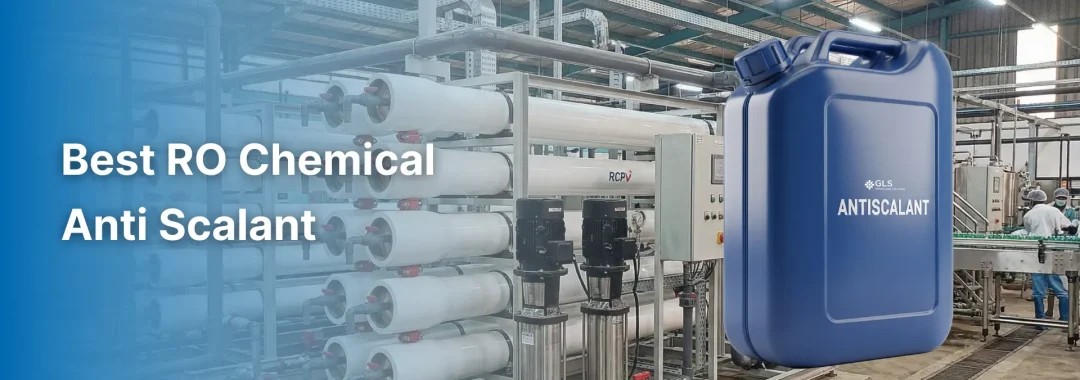
Industrial technician adjusting a chemical dosing pump to administer an effective anti scalant chemical into an RO system to prevent fouling.

Effective Anti Scalant Chemical Facts

Effective Anti Scalant Chemical: Effective Anti Scalant Chemical: Protecting Your Industrial Assets

For industrial facility managers in Indonesia, maintaining the efficiency of a Seawater Reverse Osmosis (SWRO) or Brackish Water Reverse Osmosis (BWRO) plant is a constant battle against chemistry. However, as the system extracts pure water, the remaining salts concentrate rapidly. Consequently, this leads to a high risk of mineral precipitation. To combat this issue, deploying an effective anti scalant chemical is not just an option; it is a necessity for operational continuity.

Moreover, without the correct chemical intervention, scale formation can irreversibly damage expensive membrane elements. As a result, this leads to skyrocketing operational costs and critical production downtime.

Understanding the Threat of Membrane Scaling

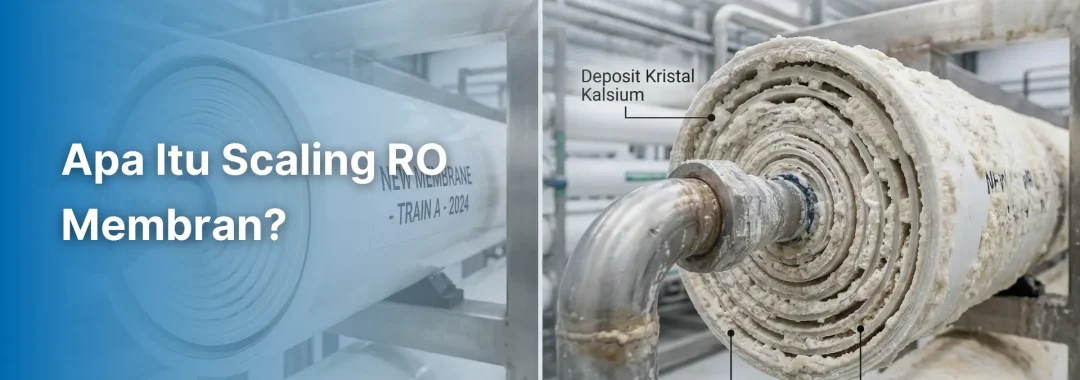
Scaling occurs when dissolved minerals in the feed water exceed their solubility limits. In industrial settings, specific compounds like calcium carbonate, calcium sulfate, or reactive silica often drive this process.

How Mineral Precipitation Occurs

First, high-pressure pumps force water through the membrane. Then, the concentration of salts on the feed surface increases significantly. Unless you intervene with an effective anti scalant chemical, these salts crystallize. Subsequently, they form a hard, rock-like layer on the membrane surface. This layer blocks the flow of water. Therefore, the pumps must work harder and consume more energy to maintain production rates.

Why an Effective Anti Scalant Chemical is Critical

Implementing a robust dosing strategy is the first line of defense. Specifically, the primary function of an effective anti scalant chemical involves interfering with crystal growth. This action keeps minerals dissolved even when they are supersaturated.

Reducing Energy Consumption and Cleaning Frequency

When membranes are clean, they operate at optimal pressure. Conversely, scale buildup causes a spike in differential pressure, which leads to higher electricity bills. Furthermore, frequent scaling necessitates frequent Chemical Cleaning (CIP). CIP procedures require downtime and aggressive chemicals that can degrade membrane life over time. Thus, a proper antiscalant strategy minimizes these interruptions.

Extending Membrane Lifespan

Membranes are significant capital assets. In addition to saving energy, preventing physical damage from sharp crystals extends their service life. Simultaneously, reducing the frequency of harsh cleanings protects the membrane surface. For more details on maintaining optimal performance, you can review our guide on BWRO membrane performance.

Selecting the Right Formulation

Antiscalant formulations vary significantly. Therefore, the deployment of an effective anti scalant chemical depends entirely on the specific water chemistry of your site.

  • For instance, high silica water requires specific dispersants to prevent silica polymerization.
  • On the other hand, high hardness water requires strong threshold inhibitors for calcium salts.

Using the wrong generic chemical can be as damaging as using none at all. Consequently, proper selection requires a detailed water analysis and projection software simulation.

Comprehensive Support from Gapura Liqua Solutions

At PT. Gapura Liqua Solutions (GLS), we understand that chemical dosing is part of a larger ecosystem. Hence, we provide end-to-end support, from water analysis to the supply of premium chemicals and the maintenance of dosing equipment.

We ensure that your strategy utilizes an effective anti scalant chemical perfectly aligned with your system’s design limits. For example, procurement managers looking for reliable supplies can access critical components via our official Tokopedia store. Additionally, understanding the advantages of RO systems can help in justifying the investment in high-quality pre-treatment.

We have successfully implemented these strategies across various industries, ensuring long-term reliability. In fact, you can see examples of our operational success in our recent project updates on LinkedIn.

Conclusion

Ultimately, the integrity of your water treatment plant relies on proactive protection. Using an effective anti scalant chemical program is the most cost-effective insurance policy against fouling and failure.

Therefore, do not let mineral scaling compromise your production targets. Partner with experts who understand the science of water. Contact PT. Gapura Liqua Solutions today for a chemical audit and ensure your assets are protected for the long haul.

FAQ

Q: What makes a chemical an “effective anti scalant”?
A: An effective anti scalant chemical must have high threshold inhibition capabilities, meaning it can prevent precipitation even at low dosages. It should also be compatible with your specific membrane type (polyamide or cellulose acetate) and effective against the specific mix of ions in your feed water.

Q: How do I know if I am using the right dosage?
A: Dosage is calculated based on feed water analysis (TDS, pH, temperature, ion concentration) and recovery rate. Under-dosing leads to scaling; over-dosing can cause biofouling. GLS engineers can calculate the precise ppm required for your system.

Q: Can anti scalant remove existing scale?
A: No. Even an effective anti scalant chemical is strictly preventative. To remove existing scale, you must perform a Clean-in-Place (CIP) using low pH (acid) cleaners for minerals or high pH (alkaline) cleaners for organics.

Follow us on Social Media

Facebook Gapura Liqua - effective anti scalant chemical Instagram Gapura Liqua - effective anti scalant chemical LinkedIn Gapura Liqua - effective anti scalant chemical
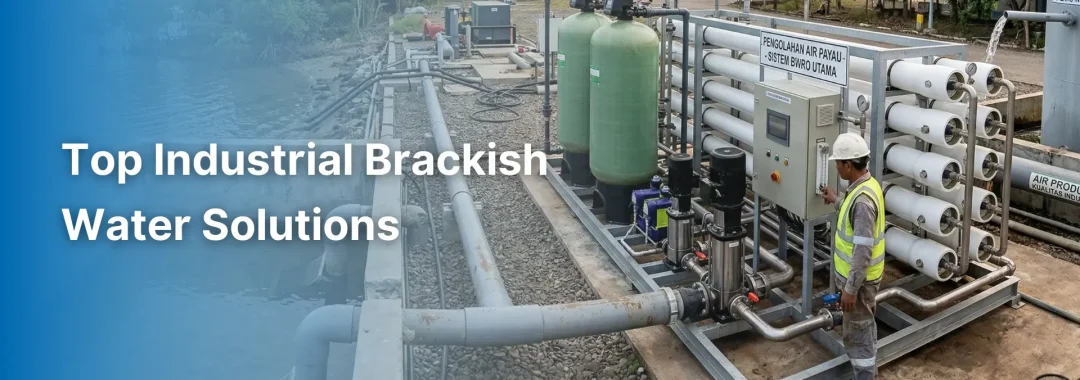
Pemandangan aliran sungai air payau di kawasan pesisir, mengilustrasikan sumber air baku yang memerlukan solusi air payau industri berbasis BWRO dari Gapura Liqua Solutions.

Solusi Air Payau Industri Terbaik

Solusi Air Payau Industri: Mengubah Tantangan Intrusi Menjadi Peluang

Bagi banyak kawasan industri di pesisir Indonesia, seperti Jakarta Utara, Semarang, atau Surabaya, ketersediaan air tawar murni semakin langka. Fenomena intrusi air laut telah mengubah banyak sumber air tanah menjadi payau (asin). Kondisi ini memaksa manajer fasilitas untuk mencari solusi air payau industri yang andal agar produksi tidak terganggu.

Mengabaikan kualitas air payau bukan hanya soal rasa, tetapi soal kelangsungan aset. Air dengan kadar garam menengah ini adalah “pembunuh senyap” bagi peralatan vital pabrik jika tidak diolah dengan benar.

Apa Itu Air Payau dan Risikonya Bagi Industri?

Air payau adalah campuran antara air tawar dan air laut, biasanya memiliki kadar Total Dissolved Solids (TDS) antara 1.000 hingga 10.000 ppm. Meskipun tidak seasin air laut murni, air ini tetap tidak layak untuk kebutuhan industri standar tanpa pengolahan lebih lanjut.

Dampak Buruk Korosi dan Kerak pada Mesin

Tanpa solusi air payau industri yang tepat, penggunaan air ini secara langsung akan memicu korosi cepat pada sistem perpipaan logam. Lebih parah lagi, kandungan mineral yang tinggi menyebabkan pembentukan kerak (scaling) pada boiler dan cooling tower. Akibatnya, efisiensi perpindahan panas menurun drastis, konsumsi energi melonjak, dan risiko downtime tak terencana akibat kerusakan mesin menjadi ancaman nyata.

Mengapa Solusi Air Payau Industri Berbasis BWRO Paling Efektif?

Teknologi Brackish Water Reverse Osmosis (BWRO) saat ini diakui sebagai metode standar emas untuk mengatasi masalah ini. Berbeda dengan penyulingan termal, BWRO menggunakan membran semipermeabel untuk memisahkan garam dari air.

Efisiensi Energi Dibandingkan SWRO

Salah satu alasan utama mengapa manajer pengadaan memilih BWRO sebagai solusi air payau industri adalah biaya operasionalnya. Karena tekanan osmotik air payau lebih rendah daripada air laut, sistem ini memerlukan tekanan pompa yang jauh lebih rendah (sekitar 10-15 bar) dibandingkan SWRO (55-70 bar). Hal ini diterjemahkan langsung menjadi penghematan listrik yang signifikan bagi perusahaan.

Untuk memahami lebih dalam mengenai efisiensi sistem RO, Anda dapat membaca artikel kami tentang keunggulan sistem air RO.

Fleksibilitas Menangani Fluktuasi TDS

Sumber air payau sering kali tidak stabil; kadar garamnya bisa naik saat musim kemarau atau pasang laut tinggi. Sistem BWRO modern dirancang untuk menangani fluktuasi ini. Dengan desain engineering yang tepat, sistem dapat menyesuaikan parameter operasi secara otomatis, memastikan kualitas air produk (permeate) tetap stabil meskipun kualitas air baku berubah-ubah.

Keunggulan Teknologi Membran Gapura Liqua Solutions

Di PT. Gapura Liqua Solutions (GLS), kami tidak sekadar menjual alat. Kami merancang sistem yang disesuaikan dengan karakteristik unik air baku Anda. Kunci dari solusi air payau industri kami terletak pada pemilihan elemen membran yang tepat.

Kami menggunakan membran High Rejection yang mampu menyaring hingga 99% garam dan kontaminan. Selain itu, kami juga fokus pada ketahanan membran terhadap fouling, yang sering menjadi masalah utama dalam jangka panjang. Informasi lebih detail mengenai performa membran kami dapat dilihat pada halaman BWRO membrane performance.

Untuk kebutuhan penggantian rutin atau suku cadang mendesak, klien kami dapat dengan mudah mengakses produk membran reverse osmosis atau mengunjungi toko resmi kami di Tokopedia.

Studi Kasus: Implementasi BWRO yang Sukses

Banyak industri tekstil dan manufaktur yang telah beralih ke sistem BWRO GLS melaporkan penurunan biaya air hingga 40% dibandingkan membeli air curah. Sebuah studi kasus terbaru menyoroti bagaimana sistem kami membantu sebuah pabrik di Jawa Tengah mengatasi intrusi air laut yang parah, mengubah air sumur yang asin menjadi air umpan boiler kelas satu. Anda dapat melihat detail keberhasilan proyek serupa melalui update proyek kami di LinkedIn.

Kesimpulan

Menghadapi intrusi air laut bukan berarti harus menghentikan produksi atau menanggung biaya air yang selangit. Dengan solusi air payau industri yang tepat, Anda dapat mengubah ancaman menjadi keunggulan kompetitif berupa kemandirian air dan efisiensi biaya.

Pastikan investasi Anda aman di tangan para ahli. Hubungi PT. Gapura Liqua Solutions hari ini untuk konsultasi teknis dan audit kualitas air gratis. Bersama kami, amankan pasokan air bersih masa depan bisnis Anda.

FAQ Section

Q: Apa perbedaan utama antara air payau dan air laut?

A: Perbedaannya terletak pada kadar garam (salinitas). Air laut biasanya memiliki TDS di atas 30.000 ppm, sedangkan air payau berkisar antara 1.000 hingga 10.000 ppm. Karena itu, solusi air payau industri memerlukan tekanan pompa dan konsumsi energi yang jauh lebih rendah dibandingkan desalinasi air laut.

Q: Berapa lama umur membran BWRO?

A: Dengan perawatan yang baik dan sistem pre-treatment yang memadai, membran BWRO biasanya bertahan antara 3 hingga 5 tahun. Rutinitas Cleaning in Place (CIP) yang tepat sangat krusial untuk mencegah penyumbatan dini.

Q: Apakah sistem BWRO bisa menghilangkan bakteri?

A: Ya, pori-pori membran RO sangat kecil (0,0001 mikron) sehingga efektif menyaring bakteri, virus, dan mikroorganisme lainnya, menghasilkan air yang higienis selain bebas garam.

Q: Apakah GLS menyediakan layanan sewa atau hanya jual putus?

A: Kami menawarkan fleksibilitas. Selain penjualan sistem (CAPEX), kami juga menyediakan opsi kerja sama operasional atau Management Service Agreement (MSA) di mana kami mengelola unit BWRO di lokasi Anda dengan jaminan performa.

Follow us on Social Media

Facebook Gapura Liqua - solusi air payau industri Instagram Gapura Liqua - solusi air payau industri LinkedIn Gapura Liqua - solusi air payau industri

Large industrial manufacturing plant with smoke stacks, illustrating the operational scale that benefits from an Industrial Management Service Agreement by Gapura Liqua Solutions.

Industrial Management Service Agreement Value

Industrial Management Service Agreement: Securing Your Water Operations

For facility managers and procurement heads in Indonesia, the stability of utilities is non-negotiable. However, managing a complex Seawater Reverse Osmosis (SWRO) plant or a wastewater treatment facility in-house often becomes a distraction from core business activities. This is where an Industrial Management Service Agreement becomes a critical strategic asset.

Rather than struggling with fluctuating maintenance costs and technical staffing issues, forward-thinking companies are leveraging MSAs to ensure reliability. An Industrial Management Service Agreement is not just a contract; it is a partnership that guarantees water availability while optimizing operational expenses.

Understanding the Industrial Management Service Agreement

An Industrial Management Service Agreement (MSA) defines a long-term relationship between a facility owner and a specialized service provider. In the context of water treatment, this agreement transfers the responsibility for day-to-day operations, maintenance, and performance monitoring to experts.

Unlike simple ad-hoc repair services, an MSA focuses on comprehensive asset management. It encompasses everything from routine monitoring to complex troubleshooting, ensuring that the water treatment plant operates at peak efficiency. By adopting an Industrial Management Service Agreement, companies effectively shift the burden of operational risk to a partner equipped to handle it.

Why Implement an Industrial Management Service Agreement?

The decision to outsource operations through an MSA is often driven by the need for financial stability and risk mitigation.

Transforming Variable Costs into Fixed Costs

One of the most significant advantages of an Industrial Management Service Agreement is financial predictability. In-house management often faces unexpected spikes in costs due to emergency repairs, sudden spare part requirements, or inefficient chemical usage.

An MSA typically structures these costs into a fixed monthly fee. This allows procurement departments to forecast budgets accurately, eliminating unpleasant surprises at the end of the fiscal year. Furthermore, professional management often reduces energy and chemical consumption, lowering the overall Total Cost of Ownership (TCO).

Mitigating Technical and Compliance Risks

Water treatment standards in Indonesia are becoming increasingly stringent. Failure to meet effluent standards can result in severe penalties, including a downgrade in PROPER ratings. An Industrial Management Service Agreement includes strict Service Level Agreements (SLAs) regarding water quality.

This means the service provider is contractually obligated to deliver water that meets specific parameters. Consequently, the risk of non-compliance is shifted from the facility owner to the specialist partner, ensuring peace of mind regarding environmental regulations.

The Value of Specialized Expertise

Modern water treatment technologies, such as high-pressure SWRO and Ultrafiltration, require specialized knowledge. Maintaining a team of certified engineers in-house is both difficult and expensive.

Through an Industrial Management Service Agreement, your facility gains immediate access to a pool of experts. These professionals stay updated with the latest technologies, such as advanced Reverse Osmosis Membrane cleaning techniques and energy recovery optimization. This expertise ensures that your assets are not just running, but are being optimized to extend their lifespan.

Partnering with Gapura Liqua Solutions

PT. Gapura Liqua Solutions (GLS) understands that every facility has unique needs. We do not offer a one-size-fits-all solution. Instead, we tailor every Industrial Management Service Agreement to align with your specific operational goals and risk appetite.

From full comprehensive operations to supervision-only contracts, GLS provides the technical backbone your business needs. We manage the supply chain for critical consumables and spare parts, many of which are readily available through our official store on Tokopedia, ensuring minimal downtime.

Conclusion

In a competitive industrial landscape, operational reliability is the foundation of success. An Industrial Management Service Agreement offers the most effective path to securing your water supply, controlling costs, and managing risks.

Do not let water utility challenges hinder your production targets. Partner with a trusted expert who prioritizes your operational continuity. Contact PT. Gapura Liqua Solutions today to discuss how we can structure an MSA that drives value for your business.

FAQ

Q: What is the primary difference between a warranty and an MSA?

A: A warranty covers equipment defects for a limited time. In contrast, an Industrial Management Service Agreement covers the ongoing performance, labor, and maintenance of the entire system, ensuring it operates correctly throughout the contract duration.

Q: Can an MSA help with environmental compliance in Indonesia?

A: Yes. A robust MSA includes performance guarantees that align with Indonesian environmental regulations (such as PROPER). The service provider assumes the responsibility for maintaining effluent quality within legal limits.

Q: Does GLS provide spare parts under the MSA?

A: This depends on the specific contract structure. We offer comprehensive MSAs that include all spare parts and chemicals, as well as “labor-plus-supervision” models where parts are billed separately.

Q: Is an MSA suitable for older water treatment plants?

A: Absolutely. In fact, older plants often benefit most from an Industrial Management Service Agreement. Our experts can optimize aging assets, perform necessary retrofits, and extend the remaining useful life of the equipment.

Two engineers in safety gear reviewing a clipboard in front of a water treatment plant, symbolizing the reliability of an Industrial Management Service Agreement.

Secure your operations and transfer risk. An Industrial Management Service Agreement ensures your water systems are managed by experts, allowing you to focus on production.

Follow us on Social Media

Facebook Instagram LinkedIn
wo professionals shaking hands over technical blueprints with a gold MSA contract icon, signifying that Management Service Agreement adalah solusi (MSA is the solution) for risk transfer.

Management Service Agreement adalah Solusi Tepat

Management Service Agreement adalah Solusi Operasional Water Treatment Terpercaya

Bagi banyak industri di Indonesia, mengelola Water Treatment Plant (WTP) atau Seawater Reverse Osmosis (SWRO) sering kali menjadi tantangan tersendiri. Kompleksitas teknis, kebutuhan suku cadang yang mendesak, dan fluktuasi kualitas air baku dapat mengalihkan fokus manajemen dari bisnis inti perusahaan. Dalam situasi ini, Management Service Agreement adalah solusi strategis yang semakin banyak diadopsi oleh manajer fasilitas dan kepala pengadaan yang visioner.

Alih-alih membebani tim internal dengan risiko operasional utilitas air, banyak perusahaan kini beralih ke kemitraan jangka panjang melalui kontrak MSA.

Apa Itu MSA dalam Konteks Pengolahan Air?

Secara definisi, Management Service Agreement (MSA) adalah kontrak kemitraan di mana pemilik fasilitas menyerahkan tanggung jawab operasional dan pemeliharaan sistem pengolahan air kepada pihak ketiga yang ahli.

Dalam model ini, Management Service Agreement adalah solusi untuk mentransfer risiko. Penyedia jasa, seperti PT. Gapura Liqua Solutions (GLS), mengambil alih tanggung jawab atas ketersediaan air, kualitas efluen, dan pemeliharaan aset. Hal ini memastikan bahwa sistem berjalan optimal tanpa pemilik pabrik perlu pusing memikirkan teknis harian.

Mengubah Biaya Variabel Menjadi Tetap

Salah satu keuntungan finansial utama dari model ini adalah prediktabilitas anggaran. Biaya perbaikan mendadak atau lonjakan penggunaan bahan kimia sering kali mengacaukan arus kas. Melalui MSA, biaya operasional dikonversi menjadi biaya tetap bulanan yang transparan, memudahkan perencanaan fiskal tahunan.

Mengapa Management Service Agreement adalah Solusi Efisiensi?

Efisiensi bukan hanya soal memotong biaya, tetapi memaksimalkan output. Dengan menyerahkan operasional kepada ahlinya, perusahaan mendapatkan kepastian kinerja yang sering kali sulit dicapai oleh tim in-house yang tidak terspesialisasi.

Jaminan Kualitas Air (SLA) dan Kepatuhan Regulasi

Dalam setiap kontrak MSA, terdapat Service Level Agreement (SLA) yang mengikat. Artinya, penyedia jasa menjamin parameter air (seperti debit, pH, TDS, atau konduktivitas) sesuai standar yang disepakati. Bagi industri yang ketat regulasi, ini berarti Management Service Agreement adalah solusi ampuh untuk menghindari sanksi lingkungan atau downtime produksi akibat air yang tidak sesuai spesifikasi.

Akses ke Tenaga Ahli dan Teknologi Terkini

Teknologi pengolahan air berkembang pesat. Memelihara kompetensi staf internal membutuhkan biaya pelatihan yang tinggi. Dengan MSA, fasilitas Anda secara otomatis dikelola oleh teknisi bersertifikasi yang memahami tren terbaru, mulai dari efisiensi energi hingga metode cleaning membran tingkat lanjut.

Cakupan Layanan MSA di Gapura Liqua Solutions

PT. Gapura Liqua Solutions menawarkan fleksibilitas dalam struktur MSA, mulai dari supervision only hingga full operations & maintenance. Pendekatan kami memastikan bahwa Management Service Agreement adalah solusi yang disesuaikan dengan kebutuhan unik pabrik Anda.

Dari Pemeliharaan Membran hingga Pasokan Kimia

Layanan kami mencakup pemantauan kinerja harian, manajemen bahan kimia, hingga penggantian komponen kritis. Sebagai contoh, perawatan elemen Reverse Osmosis Membrane memerlukan keahlian khusus agar umur pakainya panjang. Tim kami memastikan jadwal Cleaning in Place (CIP) dilakukan tepat waktu untuk mencegah fouling permanen.

Selain itu, untuk kebutuhan operasional mendesak atau komponen pendukung, klien kami didukung oleh ketersediaan stok yang dapat diakses melalui toko resmi kami di Tokopedia.

Kapan Anda Harus Beralih ke MSA?

Jika fasilitas Anda sering mengalami masalah kualitas air yang berulang, biaya pemeliharaan yang membengkak di luar anggaran, atau kesulitan merekrut operator WTP yang kompeten, maka saatnya mempertimbangkan alih daya. Transisi ke model MSA sering kali menghasilkan penurunan Total Biaya Kepemilikan (Total Cost of Ownership) dalam jangka panjang karena aset dikelola dengan standar preventif yang lebih baik.

Kesimpulan

Menjalankan industri yang kompetitif menuntut fokus penuh pada produk inti Anda, bukan pada masalah pompa air atau membran yang buntu. Oleh karena itu, Management Service Agreement adalah solusi mutlak untuk menjamin ketenangan pikiran dan kontinuitas bisnis.

Pastikan aset pengolahan air Anda berada di tangan yang tepat. Diskusikan kebutuhan operasional dan target efisiensi Anda bersama tim ahli kami. Hubungi PT. Gapura Liqua Solutions hari ini untuk merancang skema kemitraan yang menguntungkan dan berkelanjutan.

FAQ

Q: Apa perbedaan antara garansi produk dan Management Service Agreement (MSA)?

A: Garansi produk hanya melindungi Anda dari cacat manufaktur pada peralatan tertentu dalam jangka waktu terbatas. Sebaliknya, Management Service Agreement adalah solusi menyeluruh yang menjamin kinerja sistem secara keseluruhan, termasuk tenaga kerja, pemeliharaan rutin, dan kualitas output air selama masa kontrak berlangsung.

Q: Apakah MSA mencakup biaya suku cadang (spare parts)?

A: Tergantung pada jenis kontrak yang disepakati. GLS menawarkan opsi Full Risk yang mencakup semua suku cadang dan bahan kimia, atau opsi Labor & Supervision di mana suku cadang ditagihkan terpisah. Fleksibilitas ini memungkinkan Anda mengatur anggaran sesuai kebijakan perusahaan.

Q: Bagaimana GLS memastikan kualitas air tetap terjaga?

A: Kami menerapkan pemantauan parameter air secara real-time dan terjadwal. Teknisi kami melakukan Preventive Maintenance rutin untuk mendeteksi potensi masalah sebelum terjadi kegagalan sistem, memastikan uptime operasional yang maksimal.

Q: Apakah MSA cocok untuk pabrik skala kecil?

A: Tentu saja. MSA dapat disesuaikan (skalabilitas). Untuk pabrik kecil, MSA membantu meniadakan kebutuhan merekrut tim engineer khusus yang mahal, sehingga Management Service Agreement adalah solusi yang sangat cost-effective bagi bisnis berkembang.

Professional GLS technicians reviewing water quality data with a facility manager, illustrating why Management Service Agreement adalah solusi for risk-free industrial water operations.

Managing a complex water plant requires focus. Adoption of a Management Service Agreement adalah solusi that guarantees water quality and compliance while you focus on your core business.

Follow us on Social Media

Facebook Instagram LinkedIn

Industrial SWRO system featuring white pressure vessels and a cutaway reverse osmosis membrane element, illustrating why SWRO adalah teknologi desalinasi (SWRO is desalination technology) for modern industry by Gapura Liqua Solutions.

SWRO adalah teknologi desalinasi terbaik industri

SWRO adalah Teknologi Desalinasi Modern untuk Industri Indonesia

Indonesia adalah negara maritim dengan garis pantai terpanjang kedua di dunia. Namun, ironisnya, banyak fasilitas industri, resort, dan pembangkit listrik di pesisir yang masih kesulitan mendapatkan akses air tawar yang layak. Di sinilah relevansi teknologi Sea Water Reverse Osmosis (SWRO) meningkat tajam. Secara sederhana, SWRO adalah teknologi desalinasi yang memanfaatkan proses osmosis balik untuk memisahkan garam dari air laut, menghasilkan air bersih yang siap pakai.

Bagi Head of Procurement maupun Facility Manager, memahami definisi dan mekanisme SWRO bukan sekadar wawasan teknis, melainkan langkah awal strategis untuk mengamankan utilitas perusahaan dan menekan biaya operasional jangka panjang.

Memahami Cara Kerja SWRO Secara Teknis

Untuk memahami mengapa sistem ini begitu efektif, kita harus melihat melampaui definisi dasarnya. SWRO adalah teknologi desalinasi yang bekerja dengan membalikkan fenomena alam osmosis.

Peran Membran Semipermeabel

Dalam proses osmosis alami, air murni akan mengalir ke larutan yang lebih pekat (air asin) untuk menyeimbangkan konsentrasi. Sistem SWRO bekerja sebaliknya. Dengan menggunakan pompa tekanan tinggi (High Pressure Pump), air laut didorong paksa melewati membran semipermeabel.

Membran ini memiliki pori-pori mikroskopis (sekitar 0,0001 mikron) yang hanya memungkinkan molekul air lolos, sementara garam terlarut, bakteri, dan partikel organik tertahan. Hasilnya adalah dua aliran terpisah: permeate (air tawar murni) dan brine (air garam konsentrat). Kualitas output ini sangat bergantung pada pemilihan Reverse Osmosis Membrane yang tepat.

Mengapa SWRO adalah Teknologi Desalinasi Paling Efisien?

Di masa lalu, desalinasi dianggap sebagai opsi terakhir karena boros energi. Namun, persepsi tersebut sudah usang. Saat ini, SWRO adalah teknologi desalinasi dengan jejak karbon terendah dibandingkan metode distilasi termal.

Penghematan Energi dengan ERD

Kunci efisiensi modern terletak pada perangkat yang disebut Energy Recovery Device (ERD). Alat ini menangkap energi tekanan dari aliran brine yang dibuang dan mentransfernya kembali ke aliran air laut yang masuk. Akibatnya, konsumsi listrik dapat ditekan hingga 30-50%.

Inovasi ini menjadikan biaya produksi per meter kubik air SWRO jauh lebih kompetitif dibandingkan biaya membeli air tangki curah yang harganya fluktuatif dan suplainya tidak menentu.

Kualitas Air yang Konsisten dan Terukur

Selain efisiensi, SWRO adalah teknologi desalinasi yang menawarkan konsistensi. Tidak seperti air tanah yang kualitasnya bisa berubah akibat intrusi air laut atau pencemaran musim hujan, sistem SWRO menghasilkan air dengan parameter TDS (Total Dissolved Solids) yang stabil dan dapat diatur sesuai kebutuhan industri, baik untuk air proses, air umpan boiler, maupun kebutuhan domestik resort.

Tantangan Operasional dan Solusi Mitigasi

Meskipun canggih, sistem SWRO memiliki musuh alami: fouling dan korosi. Kegagalan dalam mengantisipasi hal ini sering kali berujung pada kerusakan aset yang mahal.

Mencegah Fouling pada Membran

Air laut mengandung mikroorganisme dan partikel koloid yang dapat menyumbat pori-pori membran, fenomena yang disebut biofouling. Oleh karena itu, tahap pre-treatment menjadi krusial. Sistem yang dirancang oleh PT. Gapura Liqua Solutions selalu mengintegrasikan filtrasi bertahap untuk memastikan air yang masuk ke membran RO sudah memenuhi syarat Silt Density Index (SDI) yang aman.

Ketahanan Material Terhadap Korosi

Karena berurusan dengan air asin bertekanan tinggi, risiko korosi sangat besar. Sistem SWRO standar industri harus menggunakan material khusus seperti Super Duplex Stainless Steel untuk pipa tekanan tinggi. Penggunaan material murah mungkin menghemat CAPEX di awal, namun akan melambungkan OPEX akibat kebocoran dan penggantian komponen yang sering.

Bermitra dengan Ahli Desalinasi Terpercaya

Mengimplementasikan sistem desalinasi adalah investasi strategis. Kesalahan dalam desain engineering atau pemilihan material dapat berakibat fatal pada kontinuitas bisnis Anda.

PT. Gapura Liqua Solutions (GLS) memahami bahwa SWRO adalah teknologi desalinasi yang membutuhkan presisi. Sebagai penyedia solusi Total Water Solutions, kami tidak hanya menjual alat. Kami memberikan layanan end-to-end, mulai dari desain sistem, instalasi, hingga kontrak pemeliharaan jangka panjang. Selain itu, untuk kebutuhan suku cadang mendesak, kami menyediakan akses mudah melalui toko resmi kami di Tokopedia.

Kesimpulan

Kemandirian air adalah fondasi operasional yang kuat. Dengan kemajuan teknologi saat ini, SWRO adalah teknologi desalinasi yang paling logis dan ekonomis untuk diterapkan di Indonesia.

Jangan biarkan ketidakpastian pasokan air menghambat potensi bisnis Anda. Pastikan Anda bermitra dengan ahli yang mengerti seluk-beluk air laut Indonesia. Hubungi PT. Gapura Liqua Solutions sekarang untuk konsultasi teknis dan solusi air bersih yang terpercaya.

Q: Apa perbedaan utama antara SWRO dan BWRO?

A: Perbedaan utamanya terletak pada kadar garam (salinitas) air baku. SWRO adalah teknologi desalinasi untuk air laut dengan TDS tinggi (>30.000 ppm) dan memerlukan tekanan sangat tinggi (55-70 bar). BWRO (Brackish Water Reverse Osmosis) digunakan untuk air payau dengan TDS lebih rendah dan tekanan operasional yang lebih rendah.

Q: Apakah air hasil SWRO aman untuk diminum?

A: Air permeate dari proses SWRO sangat murni, bahkan mineralnya sangat minim. Untuk dijadikan air minum yang sehat dan enak, air tersebut harus melalui proses pasca-pengolahan (post-treatment) atau remineralisasi untuk menyeimbangkan pH dan menambahkan mineral penting.

Q: Berapa lama masa pakai membran SWRO?

A: Dengan perawatan yang tepat, termasuk pre-treatment yang baik dan prosedur pembersihan kimia (CIP) rutin, membran SWRO biasanya bertahan antara 3 hingga 5 tahun sebelum perlu diganti.

Q: Apakah sistem SWRO boros listrik?

A: Tidak lagi. Dengan penggunaan Energy Recovery Device (ERD), sistem SWRO modern sangat efisien. Konsumsi energinya kini berkisar antara 3-4 kWh per meter kubik air yang dihasilkan, jauh lebih rendah dibandingkan teknologi satu dekade lalu.

Follow us on Social Media

Facebook Instagram LinkedIn

Gapura Liqua Solutions technicians loading AFM s vs ng media bags into an industrial filtration tank, showcasing the difference between standard and next-generation activated filter media.

AFM s vs ng media: Best Choice for Industry?

AFM s vs ng media: Selecting the Right Activated Filter Media for Industrial Use

For industrial facility managers in Indonesia, water treatment is not just about clarity; it is about operational continuity. The failure of a pre-treatment system often leads to rapid fouling of Reverse Osmosis (RO) membranes, resulting in unplanned downtime and skyrocketing operational costs. As the industry moves away from silica sand, the debate now centers on AFM s vs ng media.

Choosing the correct grade of Activated Filter Media (AFM) is critical for optimizing your Water Treatment Plant (WTP) or Desalination (SWRO) system. This article breaks down the technical differences to help you make an informed procurement decision.

Understanding the Core Technology: What is AFM?

Before diving into the AFM s vs ng media comparison, it is essential to understand why AFM outperforms traditional sand. Unlike crushed glass or silica sand, AFM is manufactured from processed green and brown glass that undergoes a specific chemical activation process.

This process increases the surface area up to 300 times compared to sand and creates a “self-sterilizing” surface. This feature prevents the growth of biofilm—the slimy bacterial layer that causes channeling and inconsistent filtration in standard sand filters.

Detailed Breakdown: AFM s vs ng media

The manufacturer, Dryden Aqua, produces two distinct types of activated media. While both offer superior filtration over sand, they serve different technical requirements.

AFM Grade s (Standard): The Negatively Charged Defender

AFM ‘s’ (Standard) is the established benchmark for high-performance filtration. During manufacturing, the glass surface acquires a strong negative zeta potential.

  • Mechanism: The negative charge repels bacteria, preventing them from adhering to the media. This prevents biofilm formation, ensuring that the filter bed remains clean and predictable.
  • Performance: It effectively removes heavy metals and reduces turbidity.
  • Best Use: Swimming pools, aquaculture, and standard pre-filtration where biofouling control is the primary concern.

AFM Grade ng (Next Generation): The Hydrophobic Specialist

The ‘ng’ stands for “Next Generation.” This media undergoes a different activation process to make the surface hydrophobic (water-repelling) while maintaining a neutral charge.

  • Mechanism: Because organic contaminants and microplastics are typically non-polar (hydrophobic), they are attracted to the hydrophobic surface of AFM ng like a magnet.
  • Performance: It offers a finer filtration rating. While AFM s filters down to 4 microns, AFM ng achieves a filtration rating of 1 micron.
  • Best Use: Industrial wastewater, tertiary treatment, and protection of high-value SWRO membranes where removing organics and microplastics is non-negotiable.

Comparative Performance: The Verdict

To visualize the AFM s vs ng media difference, consider this comparison of capabilities relevant to Indonesian industrial standards:

FeatureAFM s (Standard)AFM ng (Next Gen)
Surface ChemistryNegatively ChargedHydrophobic (Neutral)
Filtration Rating~4 Microns1 Micron
Organic RemovalGoodExcellent
Microplastic RemovalModerateSuperior
Bio-ResistanceHighHigh
ApplicationGeneral Water TreatmentCritical RO Pre-treatment

Why Your Choice Matters for RO Protection

For plants utilizing Seawater Reverse Osmosis (SWRO) or Brackish Water Reverse Osmosis (BWRO), the Silt Density Index (SDI) is a key performance indicator. High SDI values effectively kill RO membranes.

By utilizing AFM ng, you can significantly lower the SDI compared to sand or standard glass. The removal of sub-micron particles and organics means your RO membranes require less frequent Chemical Cleaning (CIP). This directly extends the lifespan of your membranes, which you can source directly through our Reverse Osmosis Membrane catalog.

Furthermore, reliable pre-treatment reduces the energy load on high-pressure pumps, contributing to lower operational expenses (OPEX).

Case Application: When to Upgrade to ng?

If your facility faces strict environmental regulations regarding microplastics or deals with high organic loads (TOC), the upgrade to AFM ng is justified. For example, textile or pharmaceutical plants in Java often struggle with complex wastewater streams. In these scenarios, the superior adsorption capacity of AFM ng provides the necessary buffer to ensure compliant effluent discharge.

However, procurement involves more than just buying media; it requires engineering the system for backwash efficiency and flow rates.

Sustainable Partnership with Gapura Liqua Solutions

At PT. Gapura Liqua Solutions, we do not just supply media; we engineer solutions. Whether you are retrofitting an existing sand filter or designing a new desalination plant, our team ensures that the AFM s vs ng media decision aligns with your long-term commercial goals.

We provide end-to-end support, from selecting the right media grade to full-scale engineering and maintenance. For urgent replacements or pilot tests, you can also view our ready stock components on Tokopedia.

Conclusion

The debate of AFM s vs ng media ultimately depends on your water quality targets. AFM s offers robust bio-resistance for general applications, while AFM ng delivers precision filtration for critical industrial processes and RO protection.

Do not gamble with water quality. Secure your operation’s reliability today. Contact PT. Gapura Liqua Solutions for a technical consultation and ensure your filtration system is built for the future.

Q: Can I mix AFM s and AFM ng in the same filter vessel?

A: Generally, it is recommended to use a single grade for consistent performance. However, layered configurations exist. Consult with GLS engineers to determine if a mixed bed is suitable for your specific vessel design.

Q: How often does AFM media need to be replaced?

A: Unlike silica sand, which requires replacement every 3–5 years, AFM can last over 10 years due to its resistance to biofouling and mechanical attrition, offering a better long-term ROI.

Q: Does AFM ng require special backwashing procedures?

A: AFM ng utilizes standard backwash protocols but is more efficient than sand. It requires significantly less water to clean—up to 50% less backwash water consumption is common, saving valuable process water.

Q: Is AFM suitable for seawater desalination pre-treatment?

A: Yes, it is ideal. AFM ng is specifically used in SWRO plants to lower SDI (Silt Density Index) below 3, which significantly protects sensitive RO membranes from particulate fouling.

Follow us on Social Media

Facebook Instagram LinkedIn
Pipa pembuangan air limbah industri yang keruh, mengilustrasikan urgensi sistem pengolahan limbah pabrik tekstil dan teknologi water recycle yang patuh regulasi dari Gapura Liqua Solutions.

Pengolahan limbah pabrik tekstil & Water Recycle

Pengolahan Limbah Pabrik Tekstil: Strategi Efisiensi dan Kepatuhan Regulasi

Industri tekstil dan garmen merupakan salah satu penyumbang terbesar bagi ekonomi manufaktur Indonesia. Namun, sektor ini juga dikenal memiliki jejak air yang masif. Bagi pemilik pabrik dan manajer fasilitas, pengolahan limbah pabrik tekstil bukan lagi sekadar kewajiban administratif, melainkan benteng pertahanan operasional. Kegagalan dalam mengelola air limbah dapat berujung pada sanksi berat, pencabutan izin, hingga penutupan paksa akibat pencemaran lingkungan.

PT. Gapura Liqua Solutions (GLS) memahami bahwa tantangan Anda bukan hanya membuang air, tetapi bagaimana mengelolanya secara efisien agar tidak membebani biaya produksi (cost of production).

Tantangan Utama dalam Pengolahan Limbah Pabrik Tekstil

Air limbah tekstil memiliki karakteristik yang kompleks dan fluktuatif, tergantung pada proses produksi seperti pencelupan (dyeing), pencucian (washing), atau finishing. Oleh karena itu, pendekatan pengolahan limbah pabrik tekstil yang konvensional sering kali gagal memenuhi standar modern.

Menangani Beban Organik dan Zat Warna

Masalah terbesar dalam limbah tekstil adalah tingginya kadar Chemical Oxygen Demand (COD) dan zat warna sintetis yang sulit terurai. Pewarna azo, misalnya, tidak dapat dihilangkan sepenuhnya hanya dengan sedimentasi fisik. Jika sistem biologi Anda tidak optimal, efluen yang dihasilkan akan tetap berwarna pekat, yang menjadi indikator visual utama pencemaran bagi inspektur lingkungan.

Kepatuhan Terhadap Standar Baku Mutu Baru

Pemerintah Indonesia, melalui Kementerian Lingkungan Hidup dan Kehutanan (KLHK), terus memperketat baku mutu air limbah. Pengolahan limbah pabrik tekstil harus mampu menurunkan parameter polutan hingga ke level yang sangat rendah. Ketidakmampuan menyesuaikan diri dengan regulasi ini menempatkan perusahaan pada risiko peringkat PROPER Merah atau Hitam, yang berdampak buruk pada reputasi bisnis di mata pembeli internasional.

Solusi Modern untuk Pengolahan Limbah Pabrik Tekstil

Menghadapi tantangan tersebut, teknologi konvensional perlu ditingkatkan. Solusi masa depan tidak hanya membuang air, tetapi memanfaatkannya kembali (resource recovery).

Teknologi Membran untuk Water Recycle

Salah satu metode paling efektif dalam pengolahan limbah pabrik tekstil modern adalah integrasi teknologi membran. Dengan menggunakan Ultrafiltrasi (UF) dan Reverse Osmosis Membrane, pabrik dapat memproses kembali air limbah yang sudah diolah menjadi air proses berkualitas tinggi.

Langkah ini menawarkan dua keuntungan sekaligus: mengurangi volume limbah cair yang dibuang ke sungai dan memangkas biaya pembelian air baku secara drastis. Dalam banyak kasus, pabrik tekstil dapat mendaur ulang hingga 70% air limbah mereka.

Menuju Zero Liquid Discharge (ZLD)

Bagi industri yang berada di zona merah atau area dengan kelangkaan air ekstrem, konsep Zero Liquid Discharge (ZLD) menjadi relevan. Dalam sistem ini, pengolahan limbah pabrik tekstil dilakukan sedemikian rupa sehingga tidak ada cairan yang dibuang ke lingkungan. Seluruh air didaur ulang, dan limbah padat dipisahkan untuk dibuang secara aman. Meskipun investasi awalnya lebih tinggi, ZLD memberikan jaminan keamanan operasional jangka panjang dari risiko regulasi.

Mengapa Bermitra dengan Kontraktor Berpengalaman itu Penting

Membangun atau merenovasi Instalasi Pengolahan Air Limbah (IPAL) bukanlah proyek “coba-coba”. Diperlukan perhitungan engineering yang presisi untuk menangani fluktuasi debit dan beban polutan harian.

PT. Gapura Liqua Solutions hadir sebagai mitra strategis Anda. Kami tidak hanya menyediakan peralatan, tetapi memberikan solusi end-to-end mulai dari audit sistem eksisting, desain rekayasa, hingga penyediaan bahan kimia khusus. Tim kami memastikan bahwa sistem pengolahan limbah Anda berjalan stabil, efisien, dan patuh hukum.

Untuk kebutuhan mendesak seperti suku cadang pompa atau membran pengganti, kami juga menyediakan akses cepat melalui toko resmi kami di Tokopedia, memastikan downtime pabrik Anda tetap minimal.

Kesimpulan

Keberlanjutan industri tekstil sangat bergantung pada manajemen air yang cerdas. Dengan menerapkan pengolahan limbah pabrik tekstil yang mengintegrasikan teknologi daur ulang, Anda mengubah beban limbah menjadi aset sumber daya air.

Jangan tunggu sampai sanksi datang. Lindungi bisnis Anda dan lingkungan sekarang juga. Hubungi PT. Gapura Liqua Solutions untuk konsultasi mengenai optimalisasi IPAL dan solusi daur ulang air limbah industri Anda.

Q: Apakah air limbah tekstil bisa didaur ulang menjadi air bersih?

A: Ya, sangat bisa. Dengan teknologi lanjutan seperti Ultrafiltrasi dan Reverse Osmosis, air hasil pengolahan limbah pabrik tekstil dapat dimurnikan kembali hingga jernih dan bebas warna, sehingga aman digunakan kembali untuk proses pencucian atau cooling tower.

Q: Apa parameter terpenting dalam limbah tekstil?

A: Parameter kunci yang harus dipantau ketat meliputi pH, COD (Chemical Oxygen Demand), BOD, TSS, zat warna, dan logam berat (seperti Kromium). Sistem IPAL harus didesain spesifik untuk menurunkan parameter-parameter ini sesuai baku mutu daerah setempat.

Q: Mengapa sistem IPAL saya masih menghasilkan air berwarna?

A: Air berwarna biasanya menandakan bahwa proses dekolorisasi tidak berjalan optimal. Hal ini bisa disebabkan oleh dosis koagulan yang tidak tepat, kegagalan bakteri pengurai pada bak aerasi, atau jenis pewarna yang resisten. Diperlukan audit teknis untuk menemukan akar masalahnya.

Follow us on Social Media

Facebook Instagram LinkedIn
Instalasi Seawater intake pump Indonesia industri menggunakan material Super Duplex Stainless Steel tahan korosi untuk sistem desalinasi air laut.

Seawater intake pump Indonesia: Super Duplex Specialists

As an archipelagic nation, the demand for high-performance Seawater intake pump Indonesia is skyrocketing. From coal-fired power plants (PLTU) along the coast of Java to oil refineries in Kalimantan and luxury resorts in Bali or Labuan Bajo, operations rely heavily on a consistent supply of seawater.

However, for a Head of Procurement or Facilities Manager, selecting the right seawater pump is not a simple transaction. A slight miscalculation in specification can lead to catastrophic operational failure due to rapid corrosion. This article provides a technical guide to selecting a Seawater intake pump Indonesia that is durable, efficient, and suited for our specific climate.

Unique Challenges of Operating Pumps in Indonesian Seas

Why can’t you simply buy a standard imported pump designed for Europe and install it in Indonesian waters? The answer lies in our unique geographical characteristics.

Indonesia has tropical waters with average temperatures of 28-30°C year-round. This warm environment is a perfect incubator for biofouling—the rapid growth of marine life like barnacles and mussels that can clog intakes. Furthermore, high salinity and temperature accelerate chemical reaction rates, causing metal corrosion to occur twice as fast compared to colder climates.

Therefore, the specifications for a Seawater intake pump Indonesia must be custom-engineered to withstand these extreme conditions, rather than relying on “off-the-shelf” solutions.

Most Effective Types of Seawater intake pump Indonesia

Selecting the right pump type depends heavily on your installation site and the tidal fluctuations in your area. Here are the two most recommended types for the Indonesian market:

Vertical Turbine Pumps for High Capacity

For large-scale industrial applications such as power plants or major Seawater Reverse Osmosis (SWRO) facilities, the Vertical Turbine Pump is the gold standard.

The motor is placed above ground (dry), while the impellers are submerged underwater. This design handles the significant tidal variations often found in Indonesian straits without losing prime, ensuring continuous flow.

Self-Priming Centrifugal Pumps for Ease of Maintenance

For resorts or smaller industrial units where maintenance teams are limited, self-priming centrifugal pumps are often preferred. They are located on land (suction lift), making them easier to access for repairs without needing divers or cranes. However, precise calculation of the Net Positive Suction Head (NPSH) is critical to prevent cavitation.

Material Metallurgy: The Key to Pump Longevity

The most common mistake when sourcing a Seawater intake pump Indonesia is compromising on materials to save on initial Capex. Standard Stainless Steel 316L is often insufficient for warm, stagnant tropical seawater.

To ensure longevity, PT. Gapura Liqua Solutions (GLS) recommends upgrading to Duplex or Super Duplex Stainless Steel (UNS S32750). These materials offer superior resistance to pitting and crevice corrosion. Additionally, understanding Galvanic Corrosion is vital; ensuring your pump materials are compatible with your piping system prevents the pump from becoming a “sacrificial anode.”

Logistics and Spare Parts in Remote Areas

Indonesia is a vast archipelago. A pump failure in a remote resort in Raja Ampat or a mining site in Halmahera can cause weeks of downtime if spare parts must be imported from abroad.

This is where sourcing a Seawater intake pump Indonesia from a local expert becomes a strategic advantage. PT. GLS understands the local logistics landscape. We prioritize brands and models with accessible spare parts networks within the country, ensuring that your core business—whether it’s hospitality or manufacturing—is never interrupted by a missing seal or impeller.

Frequently Asked Questions (FAQ)

To further assist your decision-making, here are answers to common technical questions we receive.

What is the best material for seawater pumps in Indonesia?

While SS316 is common, Super Duplex Stainless Steel or Nickel Aluminum Bronze is highly recommended for Indonesian waters to withstand high temperatures and chloride content.

How do we handle varying tide levels for the intake?

Using a Variable Frequency Drive (VFD) coupled with a level sensor allows the pump to adjust its speed based on the water level, maintaining constant pressure and protecting the pump from running dry.

Does GLS provide installation services?

Yes. PT. Gapura Liqua Solutions provides end-to-end services, from pump sizing calculation, supply, installation, to periodic maintenance contracts.

Conclusion: Partner with Local Experts for Reliability

Investing in the right Seawater intake pump Indonesia is an investment in operational security. By choosing the correct pump type and metallurgy, you avoid the nightmare of frequent replacements and high OpEx.

PT. Gapura Liqua Solutions (GLS) is ready to be your partner. We connect deep technical expertise in Seawater Desalination and Resource Recovery with local logistical capabilities. Let us handle your water needs so you can focus on your business growth.

Ready to upgrade your intake system? Hubungi tim ahli kami / Contact Us for a technical consultation and quote today.

Follow us on Social Media

Facebook Instagram LinkedIn